

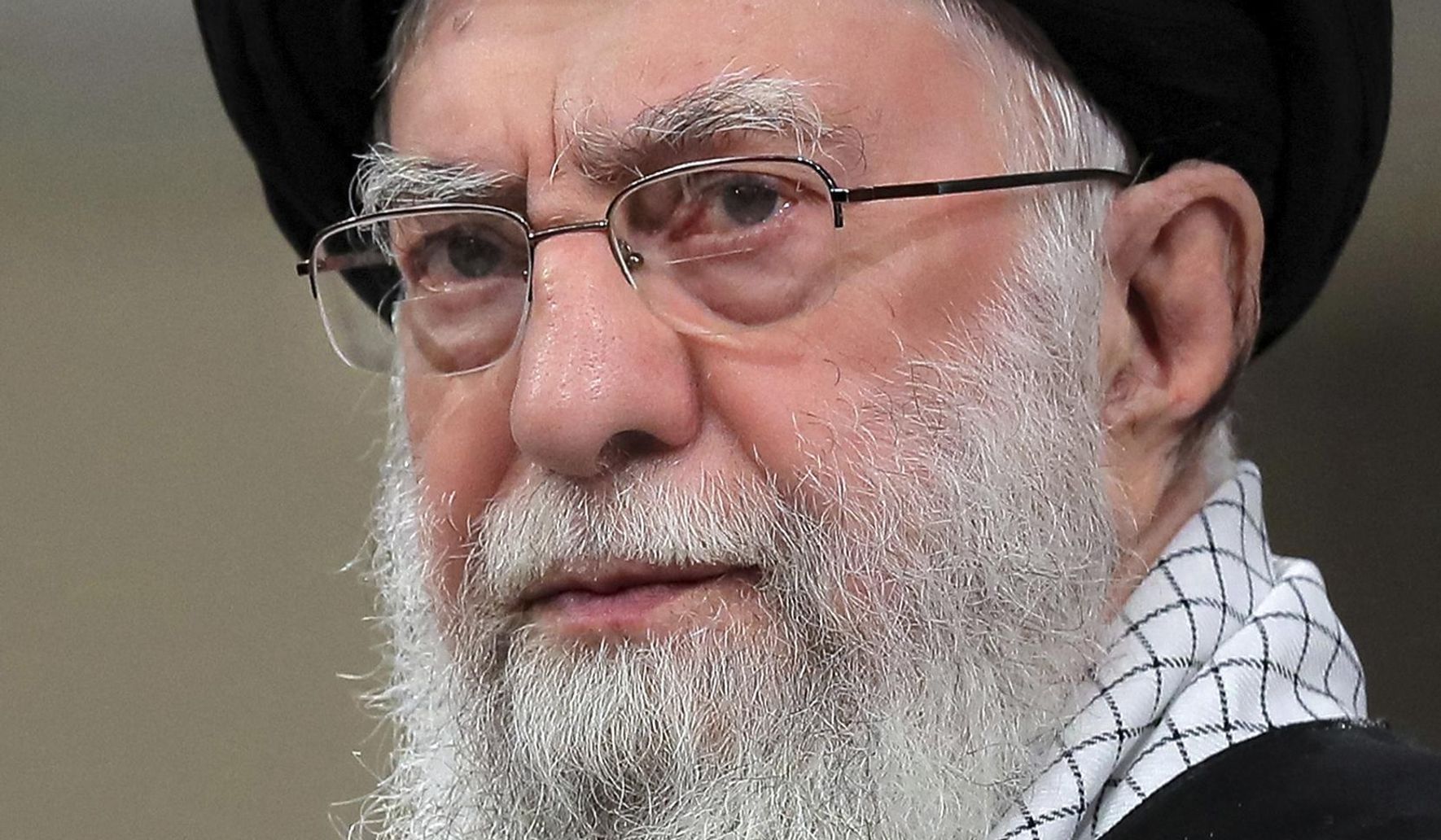
Iran’s Supreme Leader Ali Khamenei was confirmed dead Saturday after a joint U.S.-Israeli military strike on Tehran, ending the rule of one of the world’s longest-serving authoritarian figures and setting off urgent questions about how Washington and its allies will secure the region and protect American interests.
Ali Khamenei’s death marks a major turning point for Iran and for U.S. policy in the Middle East. For decades Khamenei centralized power in a clerical system that exported violence and backed militias across the region. His removal will force Tehran to confront both internal succession struggles and an immediate security vacuum that could spark wider conflict.
The strike that confirmed his death was carried out jointly by the United States and Israel, signaling tight operational coordination between two allies with shared objectives. That cooperation shows determination to stop state-sponsored terrorism and blunt Iran’s ability to threaten American forces and partners. From a Republican perspective, decisive action was required after years of provocations and proxy attacks.
Inside Iran, Khamenei controlled the military, the judiciary, and the levers of economic patronage that kept hardliners in power. His rule was built on a fusion of clerical authority and security force loyalty that sidelined moderate voices and crushed dissent. With him gone, factional competition among generals, clerics, and the Revolutionary Guard could intensify, creating risks and openings for influence.
The United States now faces a narrow window to shape outcomes without getting drawn into prolonged occupation or nation building. Maintaining pressure on Tehran’s networks while avoiding open-ended ground conflicts is the pragmatic path. That means sustaining intelligence sharing with regional partners, continuing targeted operations against bad actors, and keeping diplomatic channels open to manage escalation.
For Israel, the strike demonstrated both capability and resolve, and it underscored the strategic alignment between Jerusalem and Washington on countering Tehran’s ambitions. Republicans who prioritize strong national defense will see this as a confirmation that deterrence still works when allies act together. At the same time, allies must prepare for Iran to retaliate through asymmetric attacks, cyber operations, and proxy forces.
Domestically, the administration must be clear about objectives, timelines, and limits. American forces and citizens abroad deserve a strategy that minimizes risk while maximizing pressure on Tehran’s ruling networks. Congress should assert oversight and force a public debate about the legal authorities and end goals, not abdicate responsibility to the executive branch.
The aftermath will test Iran’s institutions. A succession process curated by hardliners could produce another uncompromising leader, or internal splits could open a path for cautious reformers. Either outcome will affect oil markets, regional alliances, and the level of threat to U.S. bases and partners. Policymakers must plan for multiple contingencies without assuming a single predictable outcome.
Any U.S. response must be measured, targeted, and resolute. The goal is to degrade networks that threaten Americans and to deter further aggression without triggering a broader war. That requires sustained intelligence work, robust sanctions enforcement, and coordinated action with partners across the region to isolate Tehran financially and politically.
In short, Khamenei’s death closes one chapter and opens many uncertain ones. The immediate challenge is to protect American lives and limit escalation while pressing for long-term stability in a volatile neighborhood. Republicans will argue that strength and clarity, not hesitation, are the right tools to navigate what comes next.

