

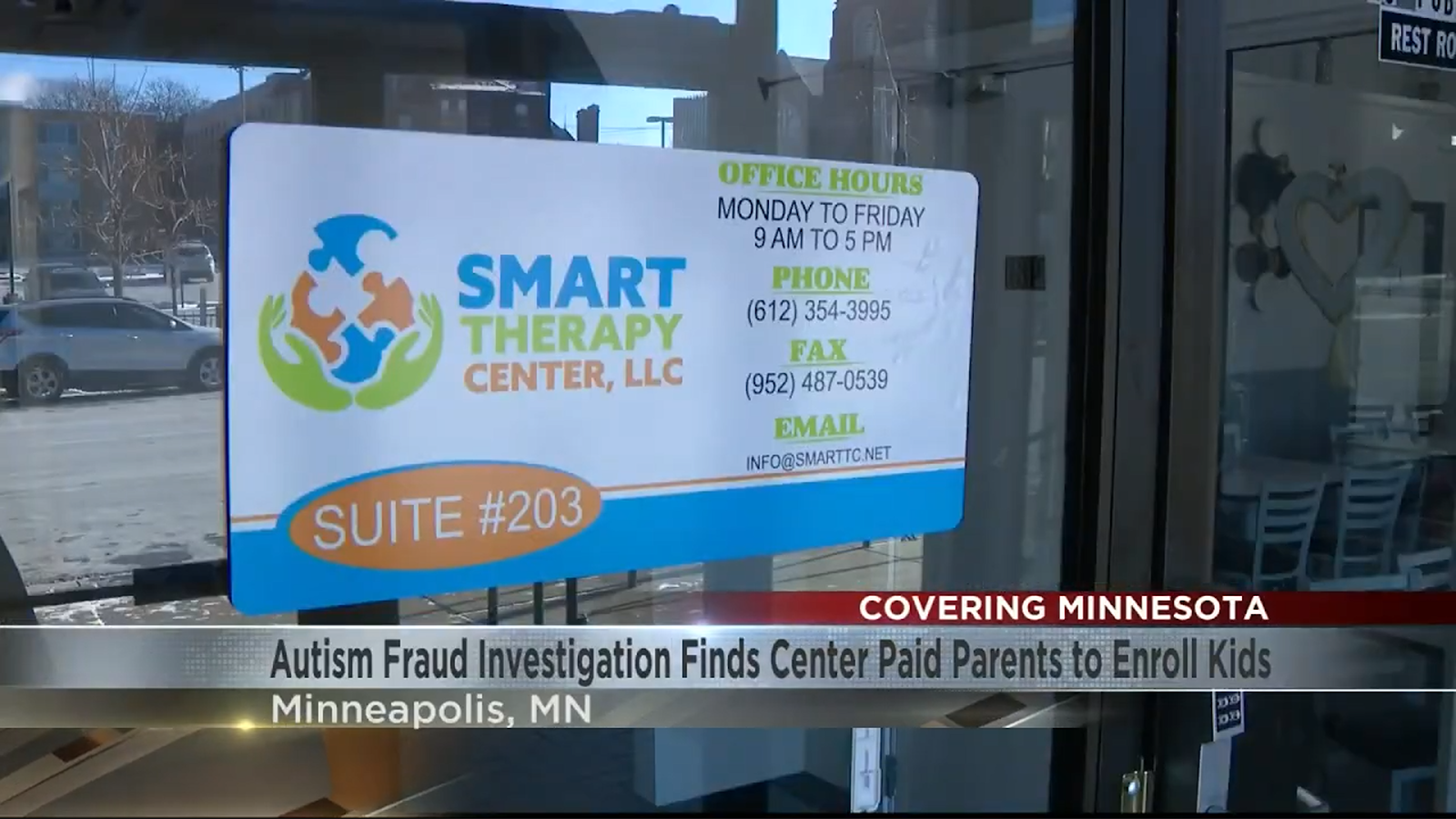
The weekend death of an anti-ICE agitator in Minneapolis happened right next to an ‘autism clinic’ that has been tied to a $14 million Somali fraud scheme, raising immediate questions about public safety, oversight, and how contentious local protests intersect with complex criminal investigations.
The scene in Minneapolis grew tense fast when word spread about a fatal incident involving an anti-ICE agitator near an address tied to a high-profile fraud case. Neighbors and activists converged on the area, and confusion mixed with anger as limited details circulated. Officials have been cautious with specifics while local voices pushed for answers and accountability.
That nearby facility, referred to as an ‘autism clinic’, has been at the center of a lengthy investigation into alleged fraud that prosecutors say involved roughly $14 million. Those allegations have already shaken trust in certain community services and prompted renewed scrutiny of organizations operating in immigrant communities. The overlap of an emotionally charged protest environment and an ongoing criminal case created a volatile backdrop for the tragic incident.
From a law-and-order perspective, incidents like this underline the need for clear policing and robust oversight when protests and investigations collide. Authorities must balance the right to protest with public safety and the integrity of active investigations, and Minneapolis saw how quickly tensions can escalate. Residents deserve transparent updates so that rumors do not fill the information vacuum.
The presence of an anti-ICE agitator highlights the broader national debate over immigration enforcement and activism. For many conservatives, the debate is about enforcing laws and protecting communities from exploitation and disorder, not silencing peaceful dissent. When activism borders on confrontation, however, it risks drawing attention away from the substantive issues—like alleged fraud affecting vulnerable families—that need resolution.
Families connected to the so-called ‘autism clinic’ are in a particularly difficult position, facing both the fallout of alleged financial misconduct and the shock of violence in their neighborhood. Community resources meant to serve children and vulnerable adults must meet high standards of transparency and care. If those services are compromised by fraud, the harm goes beyond finances and directly affects trust and welfare.
Local leaders and law enforcement are under pressure to explain what happened and to prevent similar incidents. Swift, thorough investigations into the cause of the death and the circumstances surrounding it are essential. At the same time, handling the fraud probe without politicizing it will be critical to restoring confidence among patients, families, and the wider community.
Political actors will predictably use this moment to push their narratives, and conservatives see an opportunity to press for stronger border enforcement and better oversight of organizations that take public funds. Republicans will emphasize accountability, the rule of law, and protecting vulnerable residents from both criminal schemes and disruptive protest activities. That angle resonates with voters focused on safety and responsible stewardship of government dollars.
Meanwhile, community groups and advocates must keep pressing for victim support and for safeguards that prevent fraud and abuse. That means not only prosecuting alleged wrongdoers but also improving inspections, licensing, and fiscal transparency in clinics and service providers. If the goal is safer neighborhoods and better care for children with autism, policy must follow with enforcement and reforms that leave no room for exploitation.
The intersection of political protest, criminal allegations, and a tragic death creates a complex story that will unfold over weeks and months. Investigators should provide regular public briefings where possible, and local officials must prioritize the safety of residents and clarity for victims. The focus should remain on establishing facts, protecting families affected by the fraud allegations, and making sure public safety is restored without politicized interference.

