

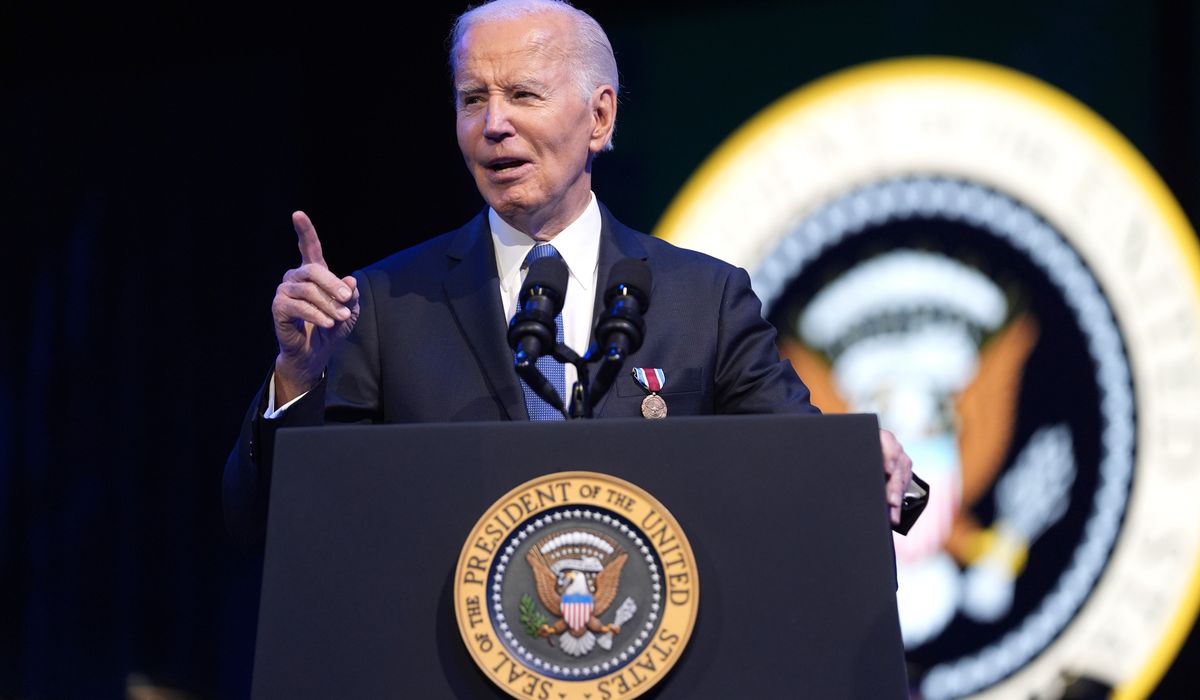
Newly released tapes raise sharp questions about classified information, memory lapses, and who in the administration is accountable.
Newly released audio tapes, disclosed by a conservative activist group, appear to show Joe Biden sharing classified information with a biographer and sometimes claiming memory lapses during interviews. The recordings, made during interviews for a book, are now at the center of a widening conversation about how sensitive material is handled by top officials. Republicans are pointing to these tapes as evidence that national security rules need stricter enforcement and clearer accountability.
The tapes reportedly capture moments where classified details were discussed in a casual setting, and that alone is alarming. Handling classified information demands discipline and compartmentalization, not offhand conversation during one-on-one interviews. For critics, the content suggests a pattern of lax behavior rather than isolated mistakes.
Beyond the content of what was said, the tapes also include instances where memory gaps are acknowledged on the record. Those admissions undercut normal defenses that a public figure simply misspoke or was misquoted. From a Republican perspective, repeated lapses strain trust and raise the question of whether someone in such a position should be repeatedly placed near high-stakes secrets.
Officials in the administration have provided various statements in response, but the public deserves transparent answers about classification status and what reviews were done before and after the interviews. A proper accounting means a full accounting of classified material, where it flowed, and who had access. Without that kind of clarity, skepticism will only grow.
Legal experts and national security professionals have started to weigh in on the potential implications for law enforcement and policy. There is a distinction between casual conversation and illegal disclosure, yet casual conversations can still create real security risks. Intelligence adversaries count on slipups; even small leaks can cascade into major operational problems.
Congressional Republicans argue this episode shows the need for firmer oversight of how presidents and their close advisers engage with outside writers and media. Policies exist for a reason: to protect sources, methods, and allies. Where policies are vague or unevenly enforced, they should be rewritten so everyone understands the boundary between personal recollection and protected information.
The political fallout will play out in hearings, press cycles, and voter conversations, but the national security angle is what matters most to military and intelligence communities. Confidence in leadership depends on predictable stewardship of secrets, not ambiguous remarks that fuel uncertainty. Those who manage classified programs need assurance that the people above them respect the rules.
For everyday Americans, the headlines translate into a basic expectation: leaders must keep the country safe by handling sensitive material responsibly. This episode is a reminder that institutions, from the White House to the Justice Department, must maintain strict standards. If gaps are found, they should be fixed quickly and publicly so the public can judge the effectiveness of those fixes.

