

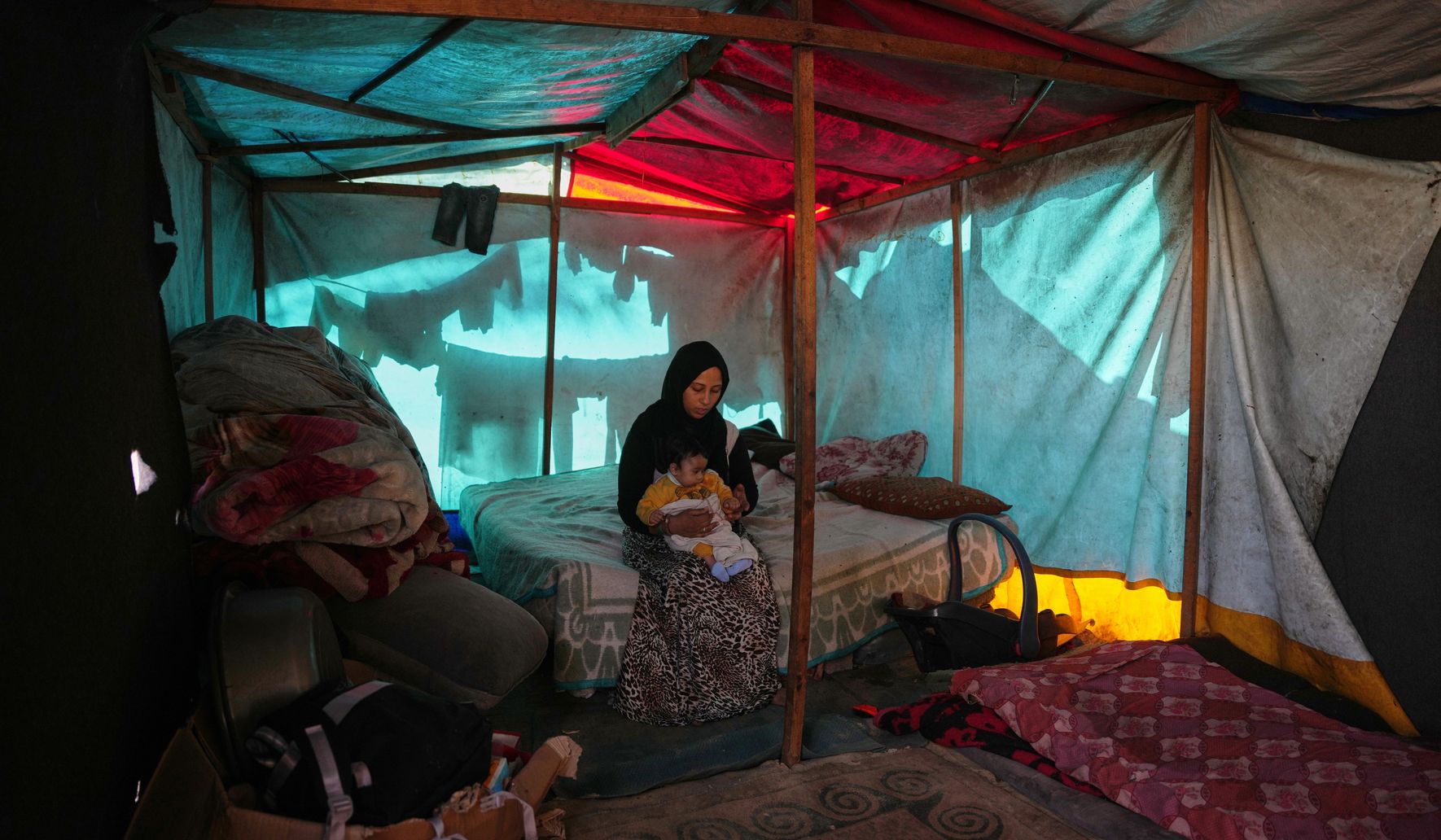
Barefoot children on cold sand, frayed tents and the looming wet season are a snapshot of a deep humanitarian emergency that raises tough questions about aid delivery, security, and long-term recovery.
“Barefoot children played on chilly sand as Gaza ‘s thousands of displaced people prepared threadbare tents on Saturday for another round of winter rain.” That image captures both the immediate suffering and the practical, biting problems relief teams face when mud and cold replace already thin blankets. For conservatives watching, it is a reminder that compassion must be paired with clear plans to protect civilians and make aid effective. This moment asks for accountability at every level, from local distribution to international coordination.
The first priority is getting durable shelter and dry supplies into the hands of families before the rain turns tents into hazards. Temporary plastic and thin blankets won’t cut it when temperatures drop and storms wash away what little protection people have. We need clarity on logistics: safe routes, vetted partners, and secure storage so aid arrives intact and is not diverted. Effective assistance depends on knowing who controls the ground and ensuring access for neutral humanitarian groups.
Second, medical care and clean water become lifesaving when winter sets in. Cold weather increases the risk of respiratory infections and hypothermia, especially among children and the elderly. Field clinics must be stocked, staffed, and protected so doctors and nurses can work without fear of attacks or interference. Donors and policymakers should focus on sustaining those services for months, not weeks.
Third, accountability matters. When aid flows into a conflict zone, there is always a real danger that armed groups will siphon supplies or use resources to rebuild their capacity instead of helping civilians. That is why conservatives emphasize oversight: audits, monitoring teams, and conditional assistance tied to demonstrable civilian benefit. Aid without checks can prolong instability and fail the very people it is meant to save.
Fourth, long-term recovery needs a plan that goes beyond tents and heaters. Families will need livelihoods, schools, and rebuilt infrastructure when the fighting ends, or when conditions allow for safe returns. A responsible approach balances emergency relief with pragmatic, market-based recovery: work programs, private sector engagement, and clear property-restoration processes. Those elements create real hope, not temporary fixes.
Fifth, partners on the ground matter. Trusted local organizations with transparent records and international groups with strict compliance systems should lead distribution. When international funds flow through unclear channels, there is a higher chance of corruption and misallocation. Conservative policy favors funding streams that can be audited and that require evidence of impact before more money is released.
Sixth, messaging and diplomacy are part of the response mix. Public pressure should be used to protect civilians and secure humanitarian corridors, while diplomatic leverage must insist that aid is not used to strengthen violent groups. That means backing allies who share those goals and working with neutral actors who can operate safely and fairly. Clear, direct communication helps keep the focus on people in need.
Seventh, Americans and others who give expect results and responsibility. Donors deserve to know that their contributions buy warmth, medicine, and stability for displaced families, not weapons or political favors. That level of transparency also maintains public support for humanitarian programs long enough to make a real difference. Responsible aid builds trust, which is essential when crises stretch into months or years.
Finally, the human image at the center of this story is unavoidable and urgent: a child barefoot on cold sand highlights the moral stakes of policy choices. Practical action, combined with strict oversight and a focus on durable recovery, is the conservative route to help now while preventing future harm. The weather will not wait, so relief must be swift, smart, and accountable.

