

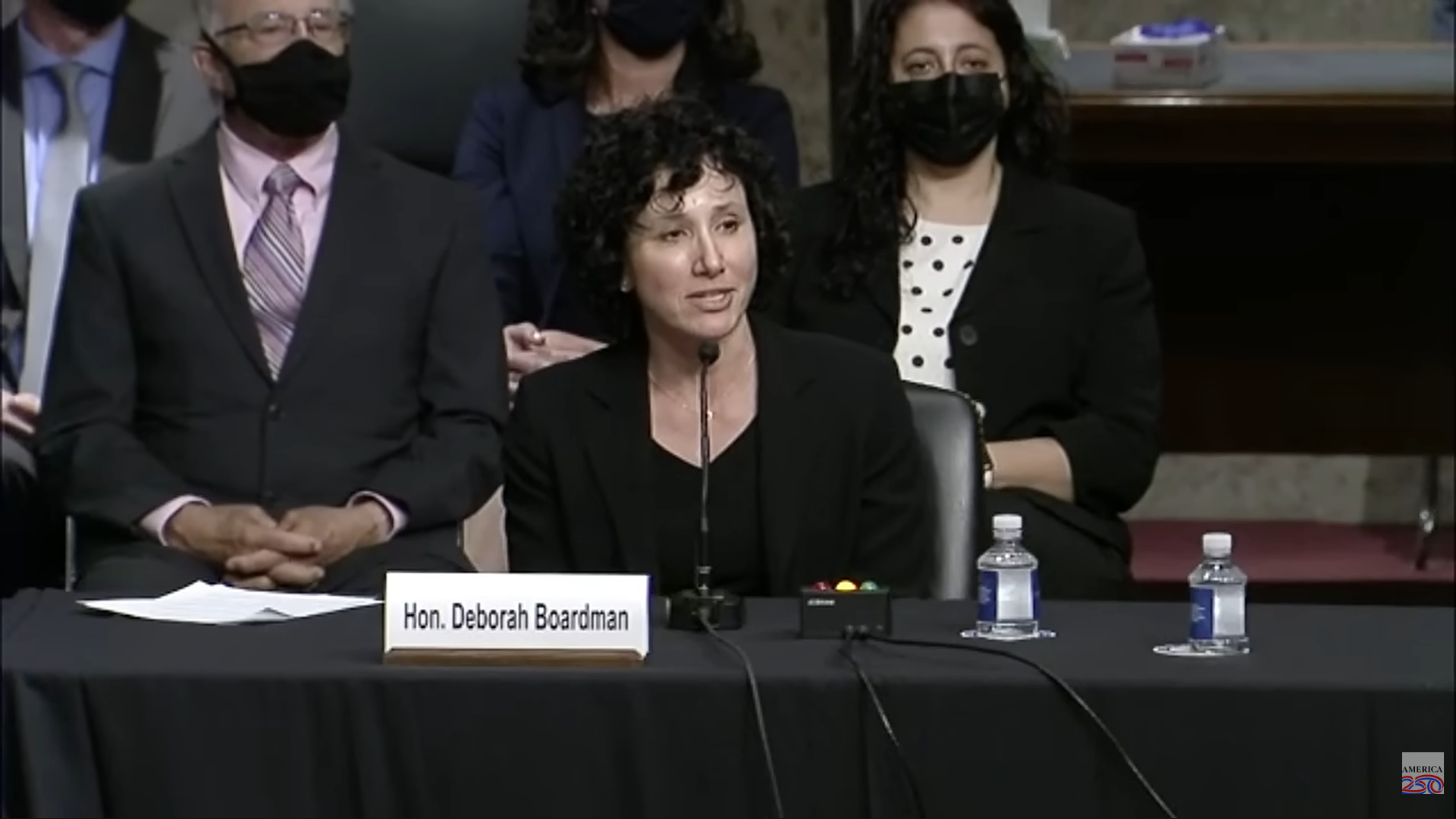
The same Biden-appointed judge who gave Justice Brett Kavanaugh’s attempted killer a sweetheart prison sentence is now seeking to block President Trump’s renewed efforts to stop America’s birthplace citizenship crisis. Maryland-based District Judge Deborah Boardman issued a preliminary injunction on Wednesday against Trump’s August executive order cracking down on the practice in ways the administration […]
This case landed quickly and it matters because it touches on who belongs in the American family and what our laws mean. The judge’s ruling freezes enforcement of the August executive order aimed at limiting birthright citizenship for children born on U.S. soil to noncitizen parents. That injunction puts a high-profile White House policy back into the courtroom, where judges interpret broad constitutional questions and narrow statutory language alike.
From a conservative perspective, the core issue is simple: the executive tried to address a real problem and was stopped by a judge appointed by an administration that is politically opposed. Supporters of the president argued the executive order was within his authority and aimed to curb an exploitative practice. Opponents argued it exceeded presidential power and threatened constitutional protections tied to birthright citizenship.
Judge Boardman’s prior decisions and sentencing choices have become part of the narrative around this injunction, and critics point to those as evidence of a pattern. That history fuels concern among Republicans that certain judges are not neutral arbiters but actors with a political tilt. Whether that criticism is fair or not, it has real political consequences and shapes public trust in the justice system.
Legally, the preliminary injunction means the administration must pause key enforcement steps while the case proceeds. Injunctions serve to prevent immediate change when a court believes there could be harm if the policy took effect. The government now faces the slower route of litigation and possible appeals, either in district court or up to higher courts that will decide constitutional reach and statutory interpretation.
For conservatives who favor strict enforcement of immigration laws, this decision is a setback that delays efforts to curb what they call citizenship tourism and other loopholes. They see the executive order as a pragmatic move to restore meaning to nationality laws and to prevent federal benefits or legal statuses from being obtained by exploiting current practices. The injunction stalls those policy changes and forces continued reliance on Congress to act, which critics argue has been too slow or unwilling.
Democrats and civil liberties groups cast the injunction as a defense of the Constitution and the equal rights embedded in it. They warn that any tampering with birthright citizenship could create a class of stateless children or strip core rights unfairly. Those arguments resonate with voters who fear government overreach, making the legal fight as much political theater as judicial process.
The path forward will likely include block and counter-block strategies, with the administration appealing rulings and interest groups filing briefs to sway appellate courts. If the appeals courts split, the Supreme Court could end up resolving the issue, though such a resolution could take years. Meanwhile, the status quo remains in place and the executive order’s practical effects are nullified by the injunction.
Republicans will use this ruling to make two points: first, that the executive branch should have latitude to enforce border and citizenship policies when Congress fails to act; and second, that court appointments matter because they influence outcomes on hot-button issues. Both messages feed into broader election narratives about who controls immigration policy and how courts shape daily life.
As the legal fight continues, the political heat will not cool. Supporters of stricter citizenship rules will push for legislative fixes and for judges who they believe will respect executive discretion. Opponents will mobilize to defend the existing constitutional framework and to challenge any attempt to narrow birthright citizenship, turning this injunction into another battleground in the larger debate over immigration and national identity.

