

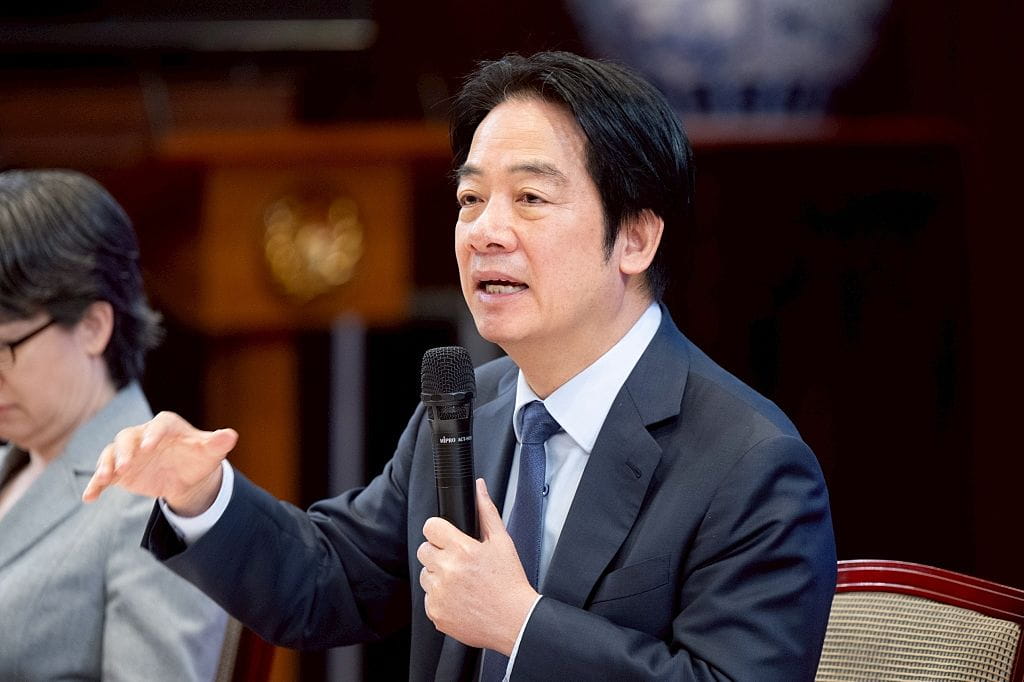
Bipartisan US senators met with President William Lai at the Presidential Office in Taipei on Monday (March 30) during a two-day visit to the region, marking the first trip to Taiwan by US lawmakers since last April.
The sight of a bipartisan delegation on Taiwanese soil sends a clear message: lawmakers from both parties still see value in direct engagement with allies. This trip underscored the routine duties of governance, diplomacy, and oversight that come with representing American interests abroad. The meeting with President William Lai was both symbolic and practical, reminding partners and rivals that ties remain active.
From a Republican perspective, visits like this matter because deterrence is not optional. Taiwan’s security is tied to American credibility in the Indo-Pacific, and showing up matters more than vague statements. Senators on this trip framed their presence as reassurance to partners and a signal that the United States will not be passive in the face of coercion.
The delegation’s two-day visit involved talks on defense, trade, and regional cooperation, reflecting the multifaceted nature of US-Taiwan relations. Lawmakers focused on concrete ways to keep lines of communication open across military and economic channels. These conversations are about preventing conflict, not provoking it, by making clear the costs of aggressive moves.
There is always pressure from some quarters to minimize friction with Beijing, but conservatives argue that strategic clarity beats appeasement. A robust stance protects American interests, secures supply chains, and preserves democratic partners in Asia. Senators who support clear-eyed policies emphasize funding and policy measures that strengthen deterrence without escalating into needless confrontation.
Visits by US lawmakers also serve domestic oversight purposes, allowing elected officials to assess on-the-ground realities and return with firsthand assessments. Lawmakers can better judge whether proposed aid packages, training programs, or export controls match actual needs. That kind of accountability helps avoid wasted resources and ensures policy aligns with strategic objectives.
Economic ties featured in the discussions as well, with an emphasis on resilient supply chains and technology cooperation. Taiwan’s semiconductor industry is a national security priority, and American policymakers are right to treat chip supply as more than an economic issue. Strengthening trade relationships and investment safeguards reduces leverage that adversaries might exploit.
Republican senators on the trip stressed that support for Taiwan does not require open-ended commitments that lack congressional oversight. They favored clear conditions, durable alliances, and credible military capabilities that increase deterrence. Practical measures coupled with firm political resolve aim to give partners confidence without binding the United States to unclear obligations.
While bipartisanship is valuable, it cannot be a substitute for clear strategy and readiness. The delegation’s messaging blended cooperative rhetoric with calls for stronger posture and more predictable support mechanisms. That balance is central to a conservative approach that prioritizes realism, strength, and fiscal accountability in foreign engagements.
Public diplomacy matters too, and meetings at the Presidential Office in Taipei give American officials a chance to connect with Taiwanese leaders and the public. These face-to-face encounters build trust in ways phone calls and statements cannot. For senators, the visit was an opportunity to demonstrate that the United States remains an engaged partner in the Indo-Pacific.
Back in Washington, lawmakers returning from the trip will press for policies that translate diplomatic goodwill into tangible capabilities and protections. They will argue for targeted investments in defense cooperation, supply chain resilience, and export controls that reflect the strategic realities discussed on the ground. The goal is to convert presence and promises into durable security outcomes.
Ultimately, the trip was a reminder that American foreign policy is practiced not only through executive action but also through congressional engagement. The bipartisan nature of the delegation shows a shared baseline of concern, while the Republican view pushes for clearer deterrence, responsible oversight, and policies that protect national interests. Engagement of this kind keeps channels open and preserves options for the future.

