

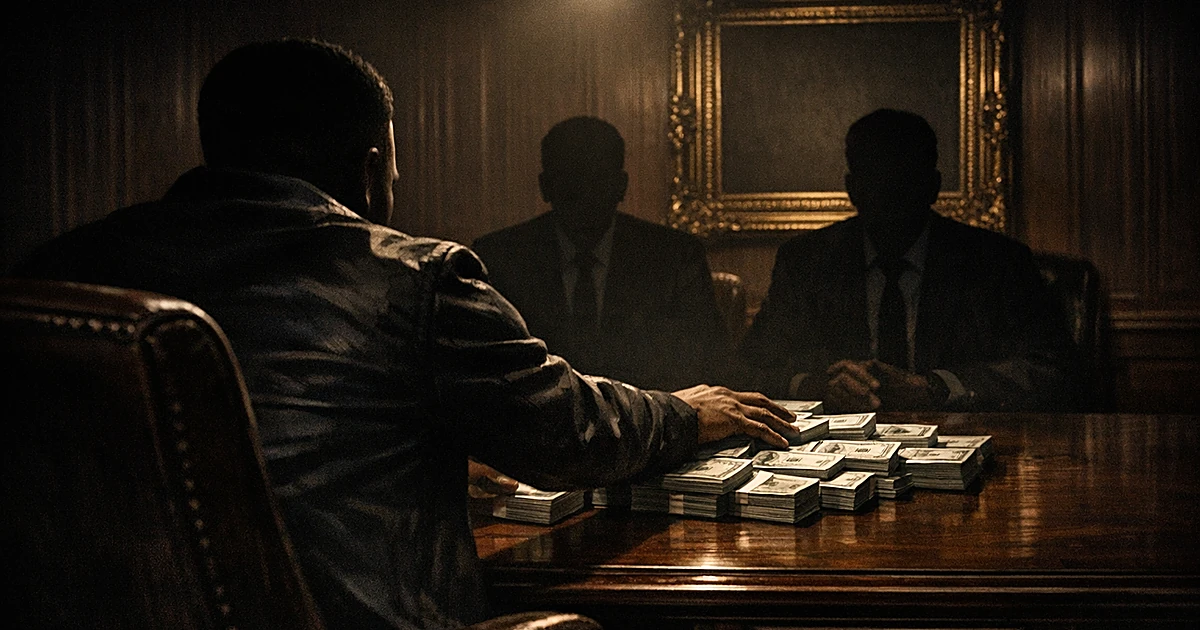
Rapper Boosie Badazz says he paid $600,000 to Jacob Wohl and Jack Burkman for a presidential pardon that never appeared, and he’s suing to recover half the fee as a refund while the White House says it never dealt with those operatives.
Boosie Badazz filed a lawsuit accusing political operatives Jacob Wohl and Jack Burkman of selling access they did not have, claiming a $600,000 payment was meant to secure a pardon from former President Trump. The suit seeks $300,000 back under a refund clause Boosie says was part of the deal, while the White House has denied any contact with Wohl and Burkman. The case frames a clash between a high-dollar private arrangement and an administration that says it never authorized or even heard of the effort.
The alleged arrangement began in the fall of 2025 after Boosie, convicted of possessing a firearm following a May 2023 arrest in San Diego, was trying to clear his legal slate. Wohl and Burkman reportedly presented themselves as having deep White House ties and suggested they could move a pardon through the process. The rapper agreed to pay the six-figure sum with the understanding they would help secure clemency.
The contract allegedly included a clause that would refund half the fee if no pardon was delivered, and Boosie’s lawyer says they got a New Year’s Day phone call claiming the pardon had been signed but not yet announced. No official pardon ever showed up and the White House denied the claim, leaving Boosie to press for his money back. According to the suit, Wohl and Burkman refused, first disputing the refund clause and later saying their law firm was insolvent after being hit with large fines in other litigation.
Burkman pushed back in comments, insisting their team worked hard on the rapper’s behalf and denying the refund provision ever existed.
“Boosie has no reason to be unhappy. In 30 years of lobbying, I doubt we have ever done more work and harder work.”
He also pointed to a separate legal complication for Boosie, an arrest in Texas earlier this year that he said made a pardon harder to secure.
“The provision in the contract he is referencing was never agreed to at all. The other factor is that Boosie’s quest for a pardon was made much tougher by an arrest for an alleged crime of violence in Texas earlier this year.”
Burkman added a short, emphatic line about effort and intent.
“We tried very, very hard.”
The White House official who responded to the matter contradicted Burkman’s claims, saying the administration had “never heard from” Wohl or Burkman and that any involvement from them would have reduced the rapper’s odds of clemency. That denial sits at the heart of the dispute: if the operatives truly had no contact with the staff handling pardons, their promise of access looks hollow. The factual question shifts from effort to authority and standing.
Pardons and clemency have been a frequent and contentious topic in recent months, with the Trump administration at one point reportedly weighing as many as 250 pardons tied to the nation’s 250th. The administration’s use of clemency has included cases conservatives applauded as corrections of regulatory overreach, such as pardoning mechanics convicted under Clean Air Act prosecutions. From a Republican perspective, clemency can be a necessary corrective to overzealous enforcement, but it also needs to be handled through legitimate channels.
This lawsuit highlights a different risk: a cottage industry of intermediaries claiming to broker favors to those who lack direct access to decision makers. When money changes hands for promises of influence, the lines between advocacy, legitimate lobbying, and outright fraud can get blurred very quickly. The Boosie matter raises questions about who is authorized to negotiate clemency and what protections clients have against false promises.
Several material facts remain unclear in the public filings. The court of filing and the case number have not been disclosed, the exact filing date is unknown, and the full text of the White House denial has not been released on the record. It is also not publicly confirmed whether Boosie remains incarcerated or what specific details surround the Texas arrest Burkman referenced.
Other open questions include the identity of the law firm Wohl and Burkman used, the litigation that allegedly imposed millions in fines on that firm, and whether Jacob Wohl has issued his own statement about the suit. Those specifics will matter in court and in public perception as the legal process unfolds. For now, the case sits at the intersection of celebrity legal trouble, paid intermediaries, and the complex politics of presidential clemency.

