

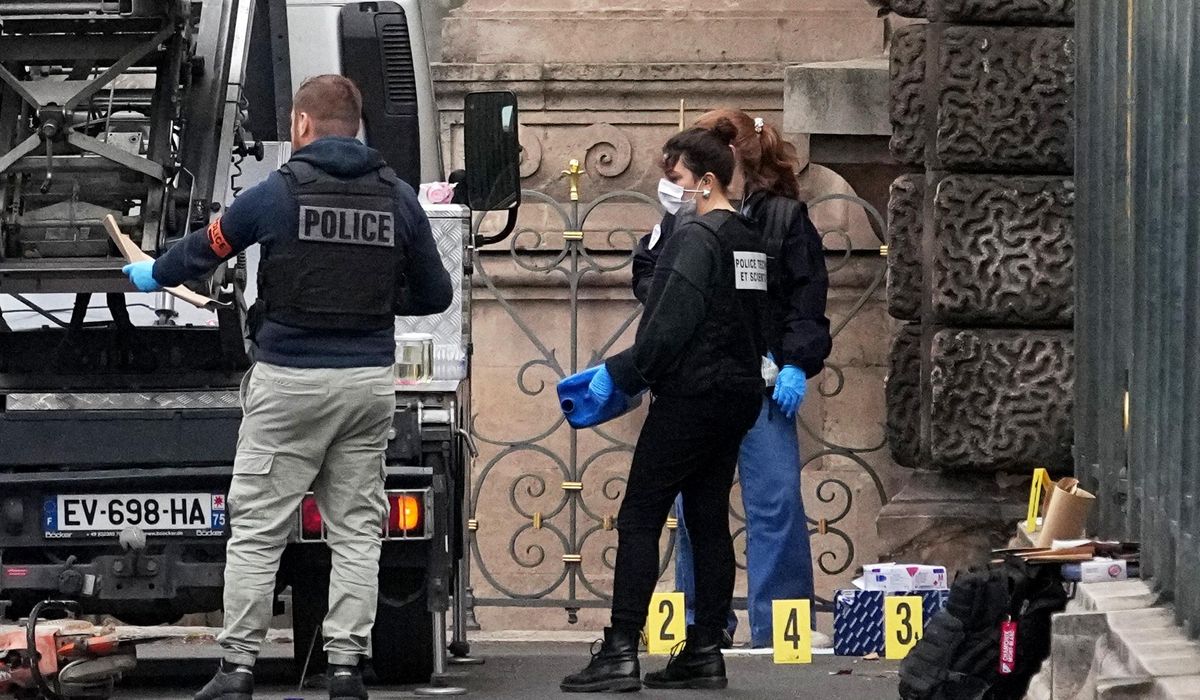
The Louvre break-in shook Paris and the museum world by exposing vulnerabilities in a symbol of cultural security, and investigators have mobilized an intensive, cross-border effort to recover the jewels and identify those behind the theft. What unfolded in the hours and days after the incident shows a mixture of old-fashioned tradecraft, modern forensic work, and the diplomatic pressure that follows a high-profile cultural crime. This article lays out what is known, what authorities are focusing on, and how a major museum and its city are responding to a rare, bold loss.
More than 100 investigators are racing to piece together how thieves pulled off the brazen heist at the Louvre Museum in Paris, working to recover the stolen gems and bring those responsible to justice. That surge of manpower reflects the scale and sensitivity of the case: artifacts and jewels move differently than cash, and the public attention makes each lead urgent. Investigators are juggling interviews, forensic tests, and surveillance review while coordinating with other agencies and private specialists who understand the market for rare gems and objets d’art.
Initial reports suggest the thieves exploited a narrow window of opportunity and a blend of planning and speed rather than a single, high-tech exploit. Sources close to the investigation say they are tracing entry points, timing, and any lapses in patrols or camera coverage to map exactly how the team got in and out. While security systems at major museums are multilayered, complex institutions can still show weak spots when shifts, visitor flows, and exhibit layouts align in the wrong way.
The stolen items themselves are now central to the chase; their rarity and traceability shape the recovery strategy. High-value jewels are notoriously difficult to fence without attracting attention, but theft rings sometimes cut, recut, or recast gems to try to erase provenance. That is why investigators are pairing street-level inquiries with lab work that can detect microscopic tool marks, unique inclusions inside stones, and other forensic fingerprints that survive attempts at alteration.
International cooperation is already part of the operation because stolen cultural goods can cross borders quickly, and criminal networks often have global reach. Authorities are issuing alerts to partners and museums, and customs databases are being scanned for suspicious transactions or travel by people with links to antiquities trafficking. At the same time, diplomatic pressure can help: nations hosting auction houses, private buyers, or transit hubs are being asked to flag anything that matches the descriptions investigators have compiled.
Inside the museum, curators and administrators are facing hard questions about display policy, storage practices, and public access versus protection. The loss has prompted a review of protocols that balance transparency with security, including whether some items need different display cases, tighter control over who can approach certain exhibits, and more rigorous checks during opening and closing times. Public reaction has ranged from outrage to sorrow, and museum officials are under pressure to show both accountability and a credible plan to prevent a repeat.
On the legal and investigative fronts, detectives are following financial trails, interviewing potential witnesses, and examining whether inside knowledge played a role. Insurance firms and legal teams will soon weigh in on recovery and restitution, but the practical work remains with forensic labs, undercover operatives, and analysts who study patterns in cultural crime. Until items are recovered or suspects are arrested, the case will keep a sharp spotlight on how even the best-known cultural institutions can be targeted and what it takes to respond effectively.

