

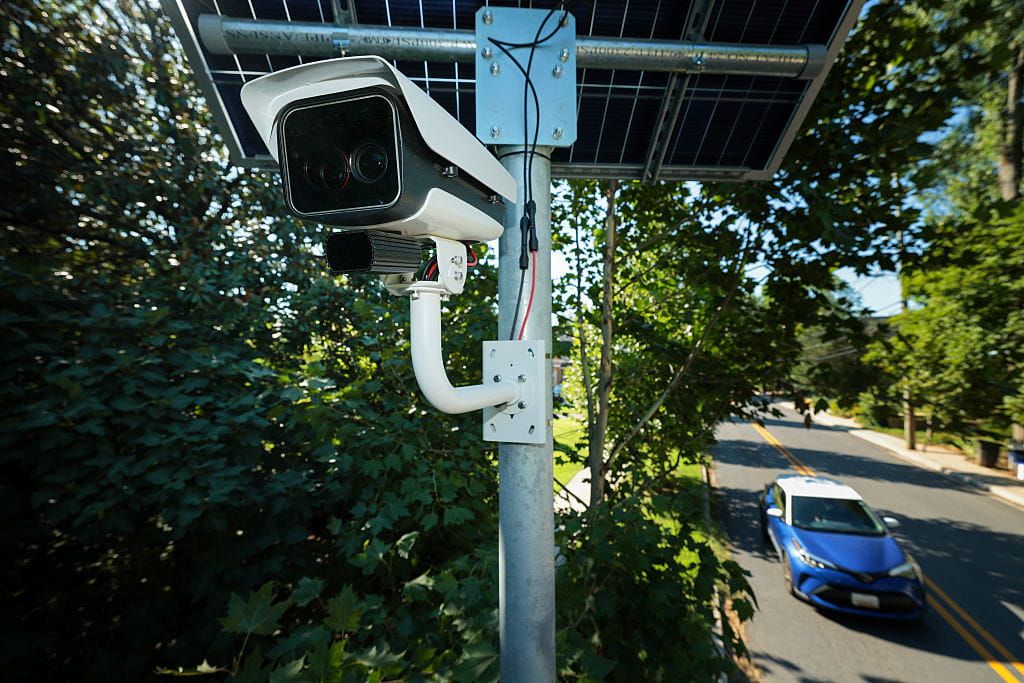
Flock camera networks and gun shops are locked in a debate over public safety and private liberty, with concerns that surveillance meant for security could quietly build searchable records tied to lawful firearm purchases.
The clash escalated around Aug 29, 2026, when louder questions started circling how plate-reading cameras, cloud data and law enforcement access interact with Second Amendment commerce. Local shop owners who want customers to feel safe are now wondering if their front doors have become funnels into a surveillance ecosystem. The technology promises crime prevention, but it also brings long, cold chains of data that outlive gestures at safety.
Flock and similar companies operate networks of cameras and license plate readers that record millions of vehicle movements and store metadata in searchable systems. That data can be queried by police or sold to contractors, which raises immediate privacy flags for conservatives who trust local autonomy more than sprawling private databases. “(Photo by Chip Somodevilla/Getty Images)” appears in press coverage, a reminder that this debate sits at the intersection of media attention, tech, and commerce.
Gun shops feel the heat because the pattern of visits, deliveries and even routine testing could reveal lawful firearm activity tied to individuals and addresses. “Fear that lawful Second Amendment activity could become part of a government accessible database.” That sentence captures why owners and customers see a chilling effect on ordinary exercise of constitutional rights.
From a Republican perspective, the problem is twofold. First, we value public safety, but we also prize private property and freedom from undue government or corporate scrutiny. Second, any system that creates durable, searchable dossiers on ordinary citizens risks mission creep where a security tool becomes a default intelligence source.
Legal concerns pile up fast when technology outpaces policy. Surveillance footage and plate data are useful for solving crimes, but database retention, sharing policies and error correction need strict guardrails. Conservatives tend to favor policing that is accountable to local voters and judges, not opaque contracts between tech firms and faraway agencies.
There are practical risks beyond principle. Mistaken matches, misattributed movements and commercial repurposing of records can trap innocent people in investigations and drag small businesses into compliance burdens. When a shop owner has to worry about how customer records are archived or queried, they face pressure that affects service, prices and the simple trust that drives local commerce.
Technology firms sell convenience and a sense of protection, but they rarely carry the political liability that follows when data is misused. Conservatives should demand transparency about who can access plate data, how long it is stored and what oversight exists for subpoenas and searches. Local control and predictable procedures keep both rights and safety intact without outsourcing judgment to distant vendors.
Policy options here are straightforward and practical without sounding like a political manifesto. Limit retention windows, require warrants for sensitive queries, mandate audit trails and give business owners a say in camera placement and access logs. Those measures respect private enterprise and lawful gun ownership while preserving useful tools for legitimate investigations.
The debate is not about opposing technology or ignoring crime. It is about making sure tools meant to keep communities safe do not quietly erode core freedoms or turn lawful activity into a permanent entry in someone else’s database. That balance will determine whether neighborhoods get safer or simply more watched.

