

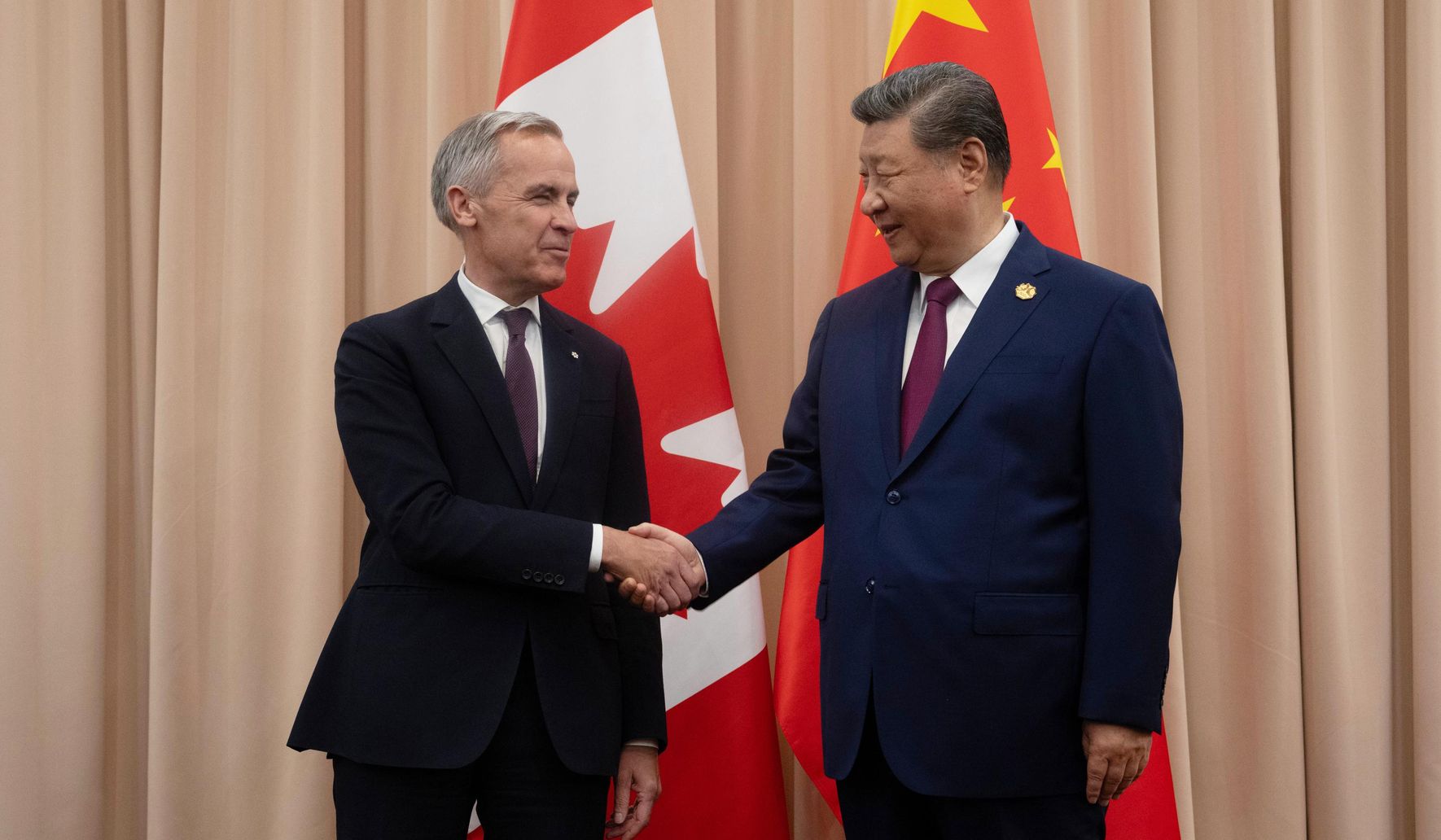
As Canadian Prime Minister Mark Carney arrives in China on Wednesday, his hosts see an opportunity to peel the longtime U.S. ally away from their rival, at least a bit.
Canada’s trip to Beijing is taking place at a tense moment in global politics, and the optics matter as much as the pledges. From a Republican perspective, any move that even hints at drifting from the U.S. alliance is cause for scrutiny, especially when it involves increased economic dependency on a strategic competitor. The visit will be watched in Washington and Ottawa for signs that trade or diplomatic ties could be used to reshape regional loyalties. Beijing will push incentives, and Ottawa will be tempted by deals that look attractive in the short term.
Beijing has a clear playbook: offer market access, investment, and high-profile meetings to create the impression of partnership. Canada’s government faces the classic balancing act of pursuing economic opportunities without compromising national security or strategic alignment with the United States. Republican instincts emphasize that economic ties are not neutral when they come with political strings or leverage over critical sectors. Pragmatism matters; Ottawa must weigh immediate gains against long-term costs to supply chains, technology security, and defense cooperation.
Energy and natural resources are high on the agenda, and they’re areas where Canada has real leverage and temptation. For China, securing stable supplies of raw materials and energy fits a broader strategy to diversify away from dependence on the West. For Canada, selling resources can mean jobs and investment, but it can also mean infrastructure and contracts that bind firms and sectors to Chinese partners. Republicans would urge tougher vetting of such deals to prevent undue influence over strategic industries and to protect sensitive technologies tied to national defense.
Technology and telecommunications present another worry. Chinese firms often enter markets by offering low-cost solutions that look irresistible to budget-conscious buyers, but the long-term risks include data access, supply chain control, and surveillance concerns. Canada should avoid shortcuts that expose critical networks or create dependencies that are hard to reverse. A firm stance on telecommunications security and explicit safeguards in any tech agreements are sensible steps. That approach protects citizens and keeps Canada aligned with trusted allies.
Trade deals and investment agreements can create gradual shifts in alignment without dramatic headlines, and that’s precisely why vigilance is necessary. Beijing knows how to make incremental progress through commercial ties that slowly alter economic patterns and political incentives. Ottawa must ensure transparency, parliamentary oversight, and clear national-security criteria for approving foreign investments. Republicans typically favor strong review mechanisms that prevent strategic assets from falling under the influence of adversaries.
Diplomatic theater—summit dinners, handshakes, and photo ops—can mask substantive concessions, and Carney’s visit will carry plenty of that theater. Those optics can be spun as success at home, but the substance must be dissected carefully. If the trip yields memoranda, joint statements, or new frameworks, Ottawa should make the details public and subject to scrutiny. Openness reduces the chance that hidden clauses or secret backroom deals alter Canada’s public commitments to allies.
Allies in Washington will watch for signals of cohesion or fracture, because allied strategy depends on trust and predictable alignments. Republicans stress that Canada’s security is intertwined with the U.S. security umbrella, and actions that weaken that partnership can have real consequences. Coordination on sanctions, technology controls, and military posture requires steady cooperation, not ad hoc commerce-driven resets. If Ottawa pursues deals that run counter to allied policy, it risks undermining unified responses to global challenges.
At the same time, Canada must pursue its national interest without reflexive hostility; not every engagement is a capitulation. Prudent engagement means clear guardrails: rigorous investment screening, secure technology standards, and transparent reporting on commitments. Those measures allow Canada to pursue trade and growth while protecting sovereignty and allied relationships. From a Republican viewpoint, that balance favors disciplined caution and robust oversight rather than unchecked enthusiasm for headline-grabbing deals.
Carney’s trip will produce headlines and talking points, but what matters is the legal and institutional architecture that follows any agreements. Ottawa needs laws, enforcement, and bipartisan consensus to manage the risks that come with closer ties to China. Republicans would recommend institutionalizing reviews of foreign investments, strengthening cyber and telecom protections, and coordinating policy with the United States and other like-minded partners. Those steps keep Canada prosperous and secure without handing strategic advantage to a geopolitical rival.

