

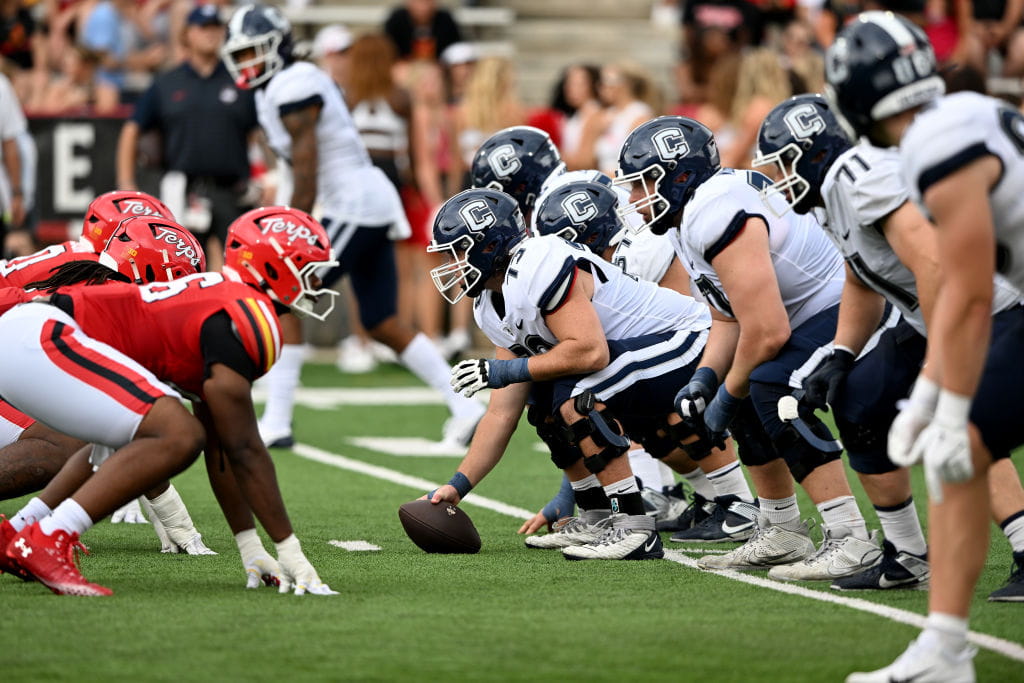
College sports are drawing huge audiences and massive revenue, but that growth raises fresh questions about priorities, pay, and the future structure of the game.
Television numbers suggest college athletics are thriving on the national stage. In 2025-26, college football posted the largest regular-season audience and delivered the decade’s biggest championship game viewership at 30 million. CBS and TNT reported that Monday’s basketball title game between Michigan and Connecticut attracted the kind of attention networks crave, reinforcing the idea that marquee matchups still move huge audiences.
Those ratings translate into real cash for conferences, schools, and broadcasters. Media rights deals have ballooned, feeding larger athletic budgets and fueling aggressive scheduling and promotion. The money also drives conference realignment and motivates institutions to chase every possible revenue source, reshaping longstanding regional rivalries into national programming.
At the same time, student-athlete compensation has shifted from concept to daily reality. Name, image, and likeness agreements and transfer portal activity mean athletes can monetize their value in ways that would have been unimaginable a decade ago. That change blurs lines between amateurism and professional opportunity, creating new winners and losers across programs.
On campus, the spotlight amplifies both upside and strain. Big games fill stadiums and local businesses see a clear lift from visitors, yet the cost of supporting top-tier teams can outpace academic spending priorities. Athletic departments increasingly rely on lucrative media deals or donor gifts to balance budgets, which can skew resource allocation away from broader student needs.
Governance is struggling to keep pace with the business reality. The NCAA’s traditional authority has weakened as conferences and networks seal huge contracts and negotiate directly for their own advantage. That fragmentation raises thorny questions about competitive fairness, scheduling equity, and who should set rules when billions of dollars are at stake.
Fans and families feel the tensions too. Ticket prices, travel expenses, and premium seating options put the full game-day experience out of reach for some longtime supporters. Meanwhile, smaller programs and nonrevenue sports face pressure as schools prioritize investments that protect broadcast appeal and television-friendly schedules.
Technological shifts are also redefining how audiences consume college sports. Streaming platforms and flexible viewing options create new revenue streams but also complicate rights negotiations and viewer fragmentation. Networks still count on blockbuster events to drive eyeballs, but long-term models will depend on balancing live game appeal with subscription and digital strategies.
The next chapter will hinge on how institutions, conferences, and regulators reconcile commercial incentives with educational mission and competitive integrity. Choices about scheduling, revenue distribution, and athlete support will have ripple effects across campuses and communities. As ratings climb and stakes rise, the sport finds itself at a crossroads where popularity and profit demand careful management rather than simple celebration.

