

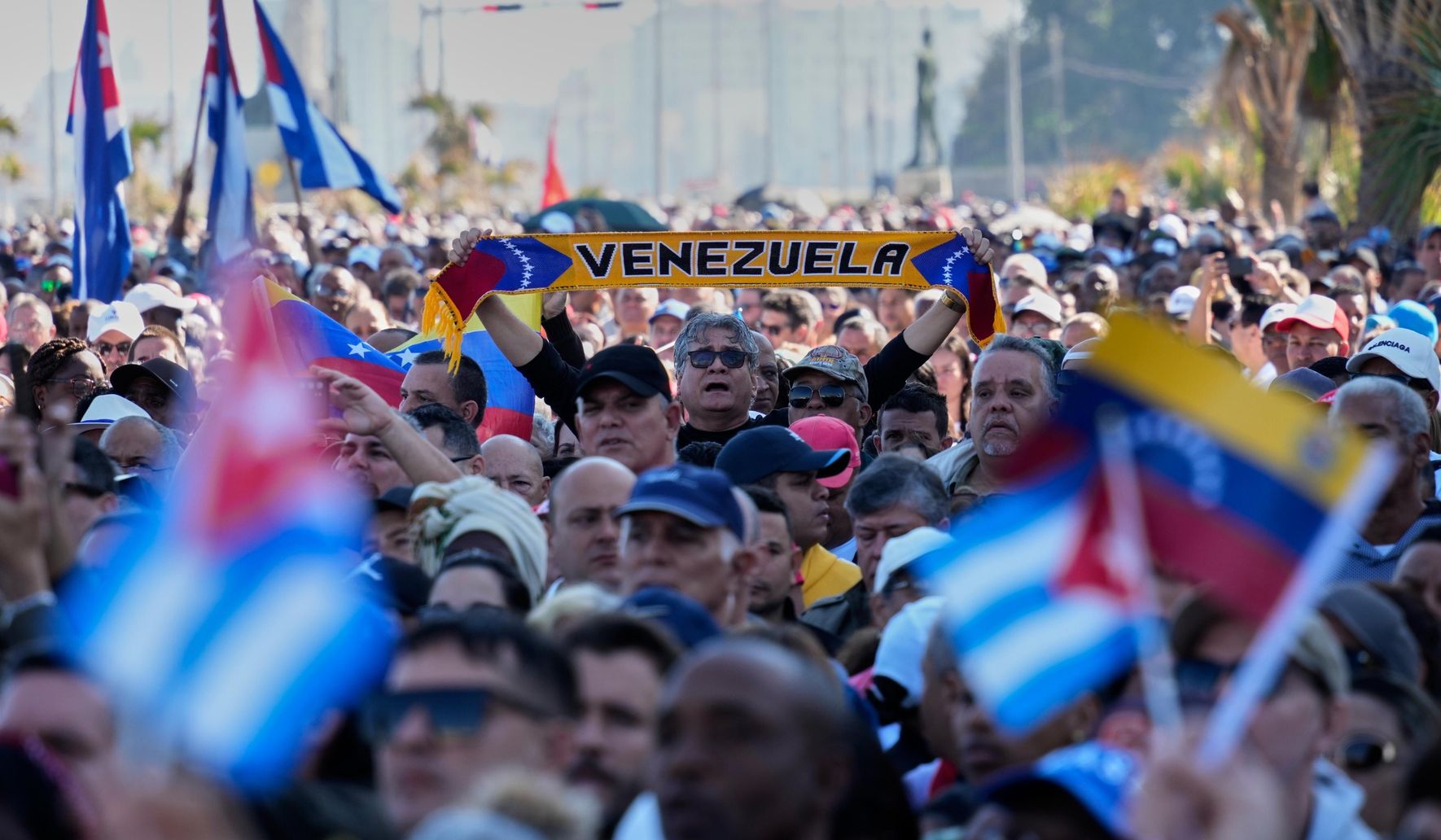
An American military operation in Venezuela killed 32 Cuban officers over the weekend, the Cuban government said Sunday in the first official acknowledgement of the deaths.
The Cuban government has publicly acknowledged a deadly incident it attributes to an American military operation in Venezuela, marking the first official notice that Cuban officers were lost. The claim centers on 32 Cuban officers killed over the weekend, and the statement arrived on Sunday as a solemn confirmation from Havana. Details remain limited in the public record, and officials on all sides have been cautious about revealing tactical specifics.
That acknowledgment raises immediate questions about what happened and why Cuban officers were present in Venezuela at this scale. Cuba and Venezuela have a long history of security and intelligence cooperation, and the presence of Cuban personnel in Venezuela has often been framed by Havana as advisory. From a Republican perspective, this incident highlights the strategic risks posed by hostile state partnerships and the need for clear policy to protect American interests and personnel in the region.
The claim itself — that an American military operation killed 32 Cuban officers — will prompt demands for transparency from Congress and the public. Republicans typically press for oversight and a firm explanation when U.S. actions intersect with foreign casualties or complex regional entanglements. Lawmakers and defense committees will likely want a classified briefing on the operation, its legal basis, and any intelligence that justified it.
On the diplomatic front, Havana’s announcement is certain to ratchet up tensions between governments across the hemisphere. Cuba will frame the killings as a grave provocation and could mobilize international sympathy to pressure Washington. Republicans, while expressing sympathy for the loss of life, will also insist that the presence of Cuban officers in Venezuela be scrutinized, especially when those forces are aligned with regimes that sponsor instability.
This episode also exposes broader questions about U.S. goals in Latin America and how best to counter authoritarian influence. A Republican viewpoint emphasizes deterrence and support for regional partners who share democratic values. That means backing security measures that protect Americans and allies, while exposing and disrupting networks that export repression and train militants or security forces hostile to U.S. interests.
Domestic politics will inevitably shape the fallout. Republicans are likely to press any administration that appears opaque or slow to respond, arguing that clarity and resolve are essential after lethal incidents involving foreign actors. Calls for accountability are not only about immediate operational details but also about the strategic posture that allowed such a confrontation to occur in the first place.
On the humanitarian side, the loss of 32 lives is a serious development that deserves solemn attention. Families and communities will want answers and accountability, and the international community will watch how both Washington and Havana handle the narrative. Republicans will stress that compassion must be paired with a realistic assessment of threats and an assertive policy to prevent similar tragedies.
Looking ahead, expect intensified scrutiny of Cuba-Venezuela relations and renewed debate in Washington about regional strategy. Republicans will press for stronger intelligence sharing with friendly nations and more robust diplomatic and economic tools to counter adversaries. Whatever the next steps, the public will demand facts, and political leaders will be judged on how transparently and effectively they respond to the incident.

