

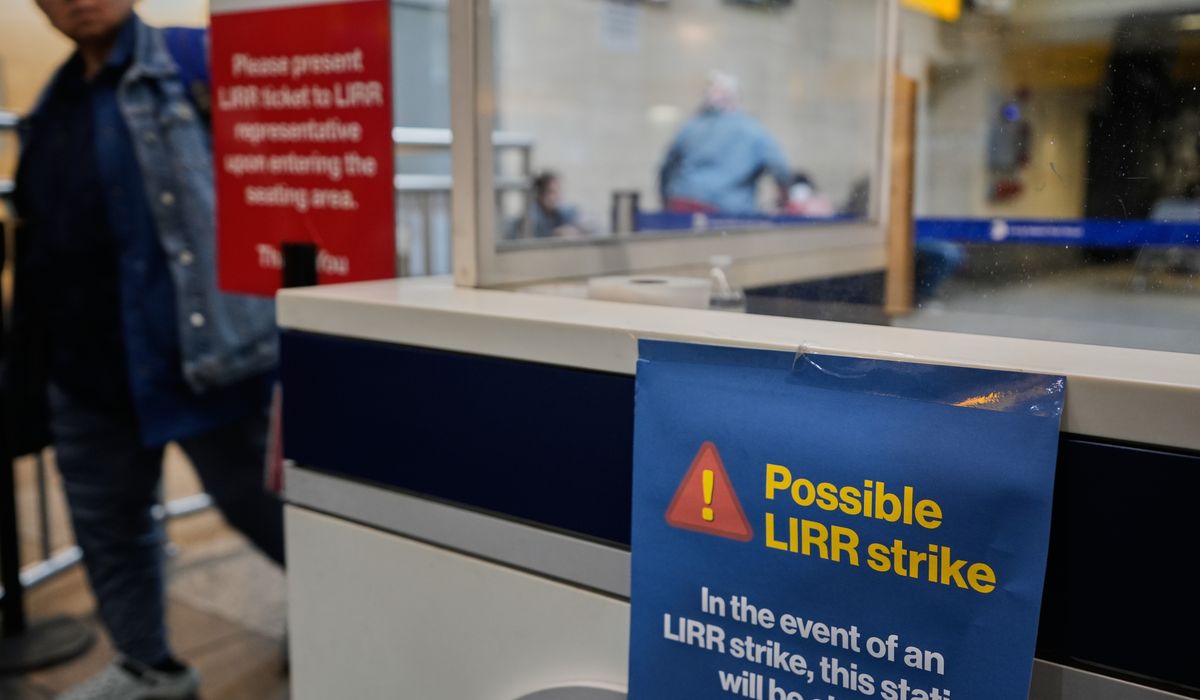
North America’s largest commuter rail system is racing toward a possible shutdown as negotiators scramble to reach a deal and avert a strike, with a looming deadline putting riders, local businesses, and regional supply chains at serious risk.
The Long Island Rail Road sits at the center of tense bargaining that could halt service for hundreds of thousands of daily riders. A strike would not just strand commuters; it would ripple through local economies, schools, and hospitals that rely on predictable transit. Lawmakers and officials on all sides are watching the clock as pressure mounts for quick, practical solutions.
Union leaders are pushing for improved pay and working conditions after years of post-pandemic strain, and that demand resonates with many workers. At the same time, taxpayers and commuters are rightly skeptical of open-ended concessions that could saddle the system with unsustainable costs. A responsible outcome needs to balance fair compensation with long-term fiscal discipline.
Management faces blame too for not resolving outstanding issues sooner, and transparency about budgets and priorities is overdue. Riders want clear answers about contingency plans and service continuity, not political theater. Officials should present straightforward numbers and timelines so everyone can judge proposals on merit and affordability.
Practical contingency planning is essential: extra bus service, coordinated carpool programs, and targeted support for critical workers can blunt the immediate impact of a short-term disruption. Local businesses and municipalities should prepare now rather than scramble later, because the economic hit from even a single lost commuter day quickly adds up. Preparedness doesn’t replace bargaining, but it reduces the leverage a strike would have to cause chaos.
Negotiations should focus on sustainable gains: targeted raises tied to productivity and clear safety improvements that reduce overtime and turnover. Blanket wage increases without fiscal guardrails invite service cuts, fare hikes, and long-term deterioration. Republican principles argue for accountable contracts that protect riders and taxpayers while recognizing the value of essential employees.
Federal and state officials have a role, but that role should be limited to ensuring fair process and upholding collective bargaining laws rather than bailing out unsound deals. Emergency funding without structural reform merely delays harder choices and incentivizes fiscal irresponsibility. Public confidence depends on negotiators who are willing to compromise and make disciplined, transparent decisions.
The human side of this is unavoidable: parents, nurses, and small businesses need reliable transit to function. That reality should steer negotiators toward practical, enforceable agreements and away from headline-grabbing positions that score short-term political points. If both sides move beyond maximalist posturing, they can secure an outcome that respects workers, protects riders, and keeps budgets intact.

