

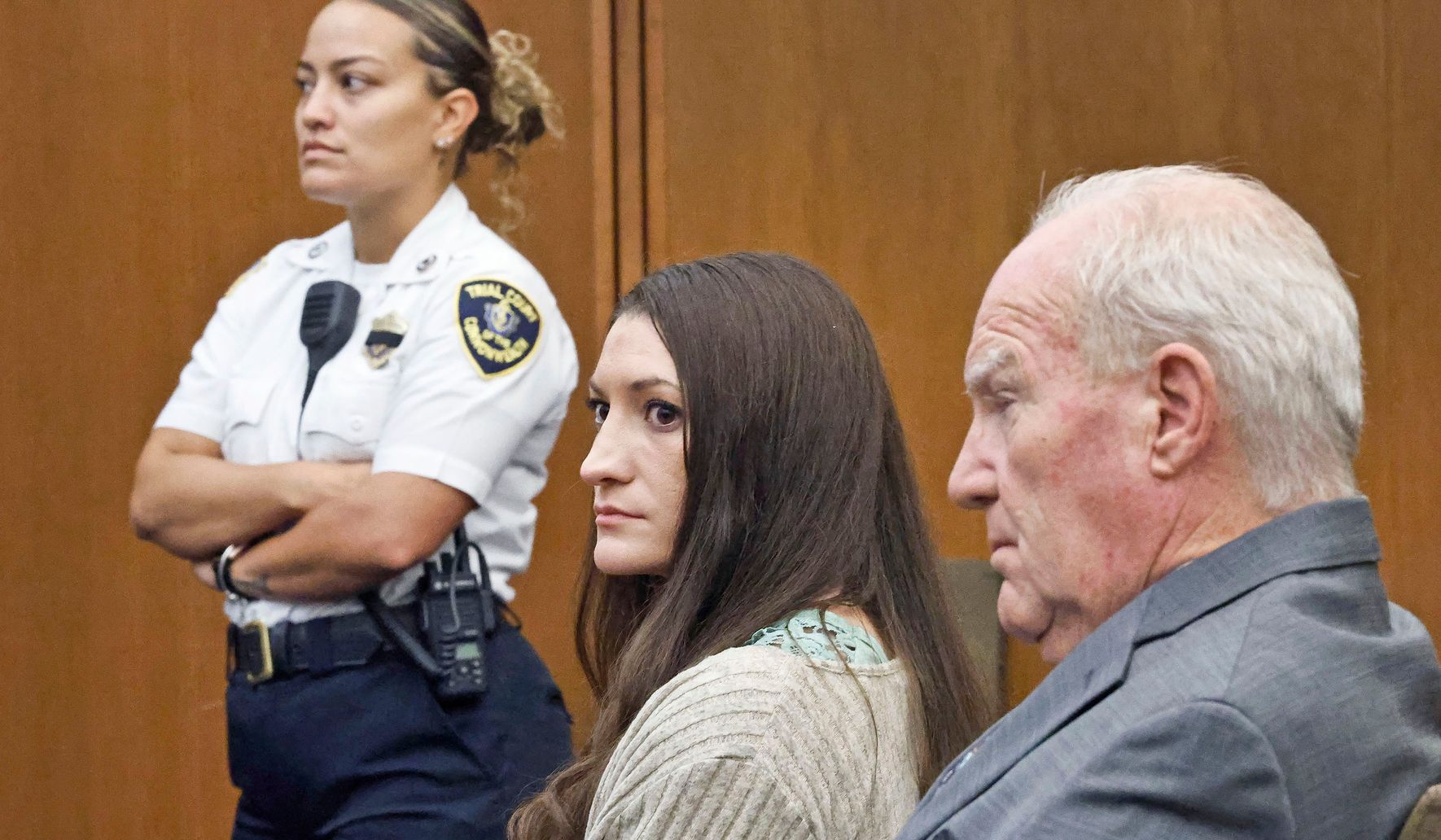
A deadlocked jury returns Friday for the seventh day of deliberations in the Lindsay Clancy trial, a day after the jury’s foreperson told the judge a single juror won’t follow the court’.
The jury in the Lindsay Clancy case reconvened on Friday, still unable to reach a unanimous decision after six days of deliberations. Courtroom notes show the group reported a split and the foreperson flagged one juror who said they would not follow the court’. The extended deliberations have left both sides watching closely as the judge weighs next steps. The motion and responses from attorneys set the stage for a tense return to the jury room.
Jurors are asked to weigh testimony, evidence, and the instructions handed down by the judge, and when they can’t agree the court must decide whether to encourage further discussion or declare a mistrial. The foreperson’s statement that a single juror won’t comply with the court’ raises questions about whether persuasion or procedural measures can bridge that gap. Judges often try to identify whether the holdout is rooted in misunderstanding, strong conviction, or refusal. That assessment will guide any effort to push for a verdict or end the process.
Defense and prosecution approaches diverge sharply in these moments, each watching for signs that their narrative found purchase with jurors. The prosecution points to testimony and physical evidence it says fits a straightforward reading of the facts. The defense emphasizes doubt, alternative explanations, and the need for jurors to follow strict legal standards rather than emotion. Those competing frames make the jury’s internal debate the real battleground now.
Practical options on the table include further deliberation, a judge’s additional instructions, or, if stalemate persists, a mistrial declaration. Judges sometimes give an Allen charge urging jurors to re-examine their positions while respecting honest conviction. That nudge can move some jurors, but it can’t force agreement. If it fails, prosecutors may have to decide whether to retry the case or drop some counts to seek a different outcome.
Beyond legal mechanics, long deliberations put pressure on jurors themselves, who must balance civic duty with fatigue and outside stress. Sitting through another day or more of discussion invites second-guessing and emotional strain. Courts try to minimize outside influence and keep jurors focused on the evidence in the room. That insulated environment aims to protect the fairness of the decision, but it does not erase human friction during hard verdicts.
Courtroom observers also watch how the judge manages the process, since that conduct can shape the trial’s next chapter. A judge’s tone, willingness to push for consensus, and the exact wording of follow-up instructions all matter. Those choices can prompt renewed compromise or deepen entrenchment among jurors. Legal strategy teams prepare multiple scenarios so they can respond quickly to any ruling from the bench.
For family members and the public, delayed verdicts feel like stalled justice, but the system prioritizes a reliable outcome over speed. Jurors take an oath to deliberate carefully, and when they can’t, the court must protect legal standards even if that means more time or a retrial. Each extra hour spent in the jury room increases the odds that sharper questions will surface and that doubts will be aired. Still, prolonged deliberations can leave wounds for everyone involved.
Lawyers on both sides will likely file notes and request clarifications from the court about how jurors are interpreting the instructions. Those filings help the judge decide whether to bring jurors back for added direction or to accept that a verdict is unattainable. The judge’s next move could be procedural and brief or it could involve a more comprehensive hearing with testimony about jury conduct. Those choices will steer whether the case ends now or returns to square one.
Media coverage and public commentary will continue, but the legal process limits what jurors can hear and when they return home. Courts enforce strict rules against juror exposure to outside information for good reason. That isolation is meant to preserve impartiality as jurors work through the task in front of them. Until the judge issues further instructions or a verdict, everyone involved remains in wait.

