

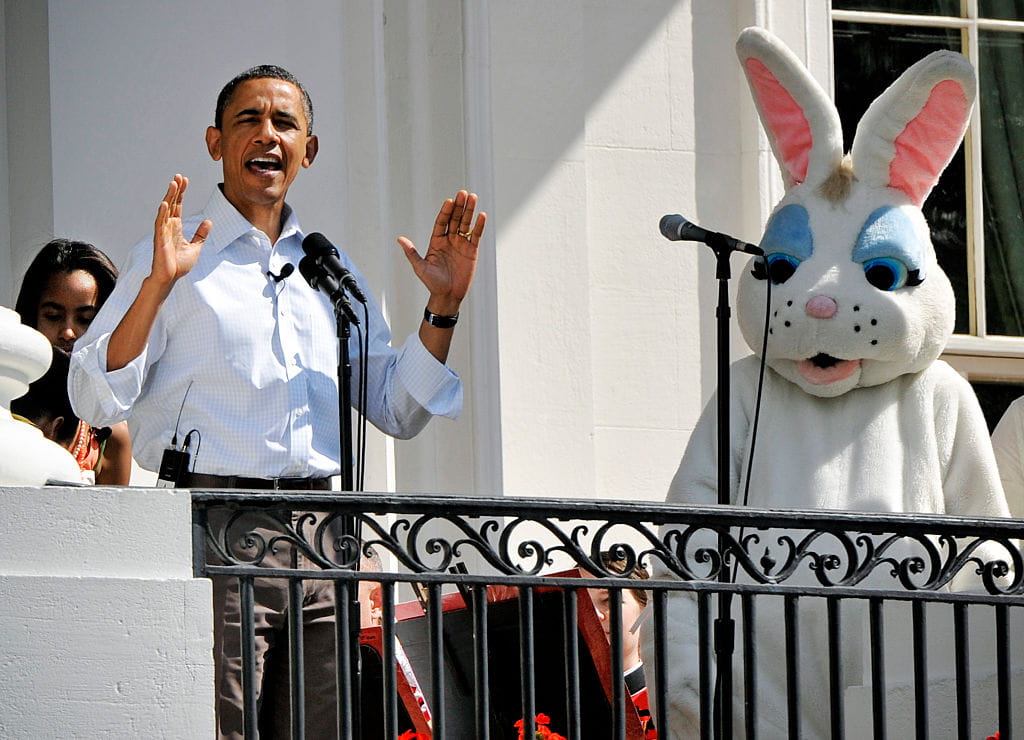
The Democrat Party’s official X account used the Easter weekend to reminisce about allegedly “better times” when one of their own was leading the country, while leaving out any reference to Joe Biden’s four years in the White House.
The social post was a clear bit of selective memory, a snapshot meant to comfort supporters without wrestling with tougher questions about recent performance. From a Republican view, that kind of nostalgia feels like a political Band-Aid, not an honest look at the record. When the song is only about the highs and skips the lows, voters deserve to know what was left out.
Choosing Easter weekend to invoke better days was a strategic move to trigger warm feelings rather than debate facts. But feelings do not change paying checks or the cost at the gas pump, so the omission matters. Republicans argue that the spotlight on nostalgia conveniently avoided directly addressing the consequences of four years of leadership under Mr. Biden.
Issues like rising prices at the grocery store and uncertainty in energy markets are front-of-mind for many families, and critics say those realities clash with any cheerful throwback. The argument from the right is straightforward: if you claim “better times,” explain how current policies will recreate them. Avoiding that conversation looks more like image control than accountability.
Border security and public safety are other areas where critics say the Democratic message rings hollow if it ignores recent trends. Voters on the right point to chaotic crossings and local concerns about crime as evidence that nostalgic posts are detached from everyday worries. A party that wants to persuade undecided voters should engage those concerns instead of retreating into reminiscence.
Foreign policy decisions are part of the mix too, and they shape how Americans feel about leadership on the world stage. Republicans often highlight missteps abroad as reasons to rethink who should lead and how. For many conservative voters, past rhetoric about unity or competence rings thin when judged against outcomes and the safety of American interests overseas.
Social media allows for polished images and tidy narratives, but it also makes it easy to dodge substance. That’s why many Republican commentators treat the Easter post as emblematic of a party more interested in sentiment than solutions. The political play is clear: comfort the base and avoid long debates that could spotlight policy failures.
If the goal is to build a winning case, conservatives say the better path is to challenge the omissions directly, not just spin a warm memory. Voters want concrete plans and measurable results, not vague appeals to a past that may be selective by design. Calling out selective nostalgia is part of holding any political party accountable for the record it refuses to mention.

