

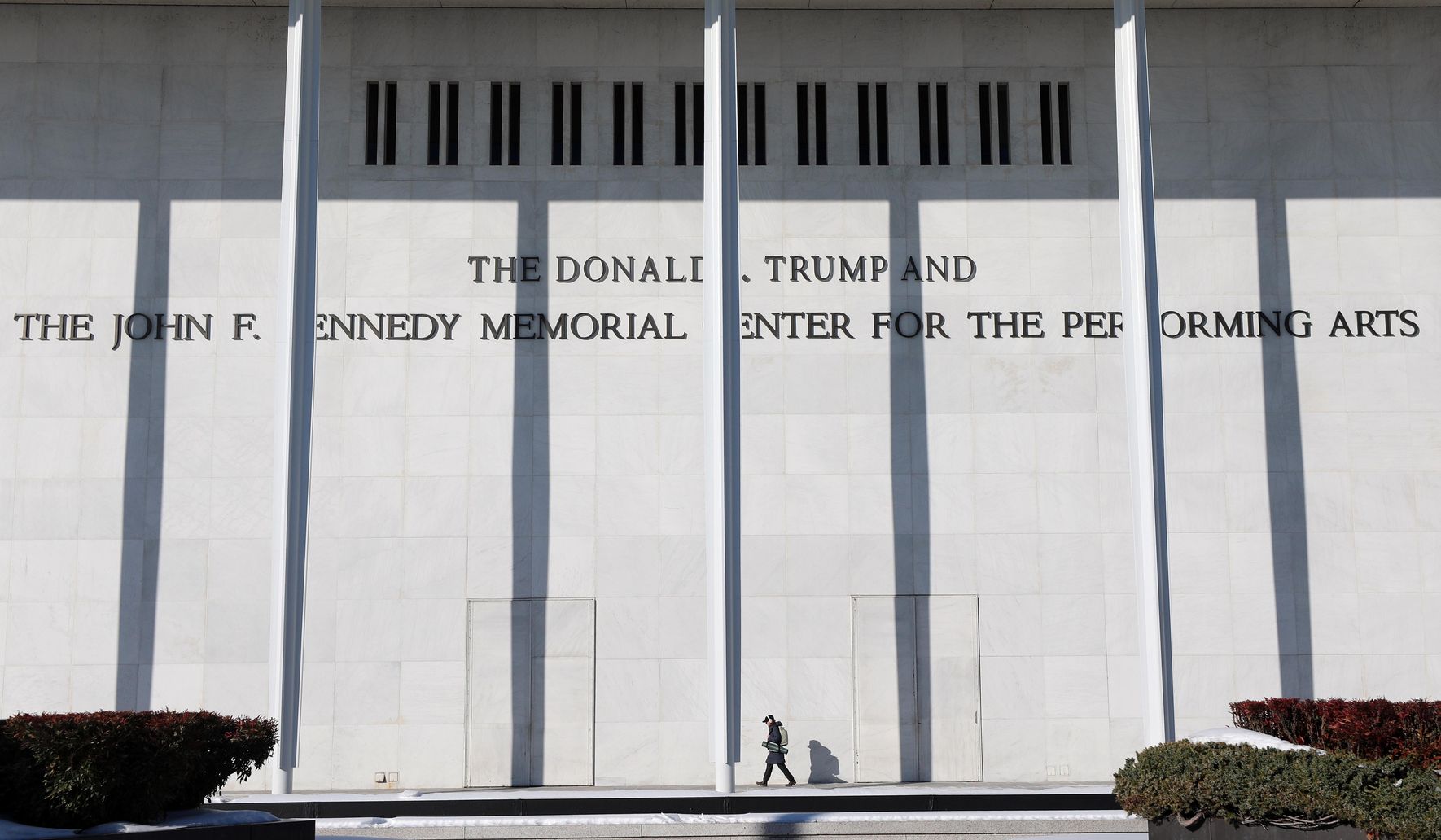
A Democratic lawmaker has asked a federal judge to force the Kennedy Center to stop efforts to attach President Donald Trump’s name to the performing arts venue, sparking a broader debate about politics, patronage, and institutional independence.
A Democratic lawmaker is asking a federal judge to force the Kennedy Center to block and reverse efforts to attach President Donald Trump’s name to the historic performing arts venue. That single line has become the flashpoint in a fight about whether cultural institutions should bow to political pressure or protect their ability to honor supporters. The legal move throws a spotlight on how public-facing institutions handle controversies tied to big donors and partisan fights.
This is not just a local squabble over a sign or dedication. It raises a question conservatives have warned about for years: when government or politically motivated actors try to rewrite or erase civic decisions, it chills private support and politicizes every nonprofit boardroom. The Kennedy Center sits at the intersection of public prestige and private philanthropy, and who gets to decide naming rights matters more than a ceremony.
At stake is institutional autonomy. Boards and trustees are tasked with operating in the best interest of their organizations, balancing donor relations, mission, and public accountability. When courts get pulled into naming disputes, or when lawmakers seek to impose outcomes by force, it sets a precedent that could make boards second-guess reasonable gifts and partnerships for fear of political retaliation.
Political actors on the left see the naming as an affront; conservatives see it as a straightforward recognition of support and accomplishment. Either way, the practical fallout is predictable: organizations may avoid strong donors, steer clear of anything that could be portrayed as partisan, and shrink the civic space for robust cultural funding. That hurts audiences, artists, and the institutions themselves.
Legal challenges like this often rest on technical grounds, governance questions, or alleged procedural missteps. But the broader argument from a conservative angle is simple: once you let politics dictate which donors are acceptable, you erode the marketplace of ideas and the freedom of institutions to associate. A name on a building should not be subject to the same transient political tides that sweep through the news cycle.
There is also a reputational angle for the Kennedy Center. If trustees reverse course under pressure, critics will say the institution buckled. If trustees resist, opponents will claim insensitivity. Either path invites accusations and public relations headaches. The cleaner option for institutions seeking stability is to rely on clear, consistent policies about naming and to document decisions carefully so they can withstand scrutiny without becoming instruments of partisan conflict.
Conservatives will argue that honoring a figure tied to a large constituency is part of healthy civic life. Recognition of support does not necessarily equal endorsement of every political position. A robust civic culture allows for multiple figures to be commemorated without treating those acts as irrevocable political statements that define an institution forever.
The court’s eventual handling of the case will matter beyond this one controversy. Judges will need to weigh legal claims, governance norms, and constitutional principles while keeping in mind the broader implications for nonprofit governance. If courts start dictating naming outcomes, the result will shift power from private boards to public litigants and politicians.
For now, the dispute centers on that initial petition to a federal court and the spotlight it throws on the Kennedy Center’s decision-making. Whatever the legal outcome, the episode is a warning: politicizing cultural honors turns routine civic choices into battlegrounds and risks shrinking the space for private actors to support public life without fear of reprisal.

