

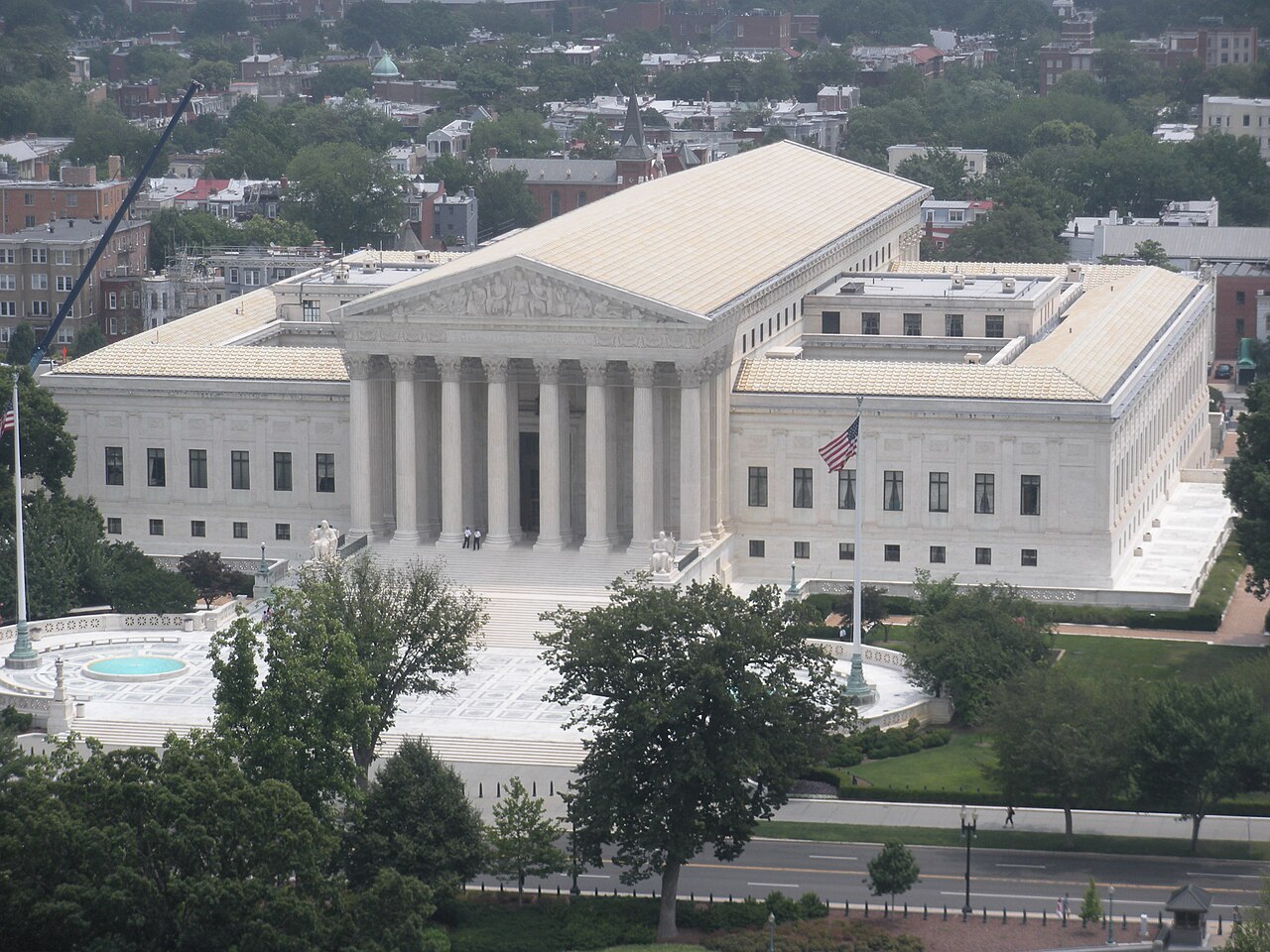
The Trump administration has joined the California GOP in asking the U.S. Supreme Court to block the Golden State’s new gerrymandered congressional map ahead of the 2026 midterm elections, with the Department of Justice filing a brief on Thursday supporting the California Republican Party’s emergency application to pause a lower court ruling.
Republicans see this as a fight over fair representation and the integrity of the congressional map that will shape the 2026 elections. The move to ask the U.S. Supreme Court for relief is urgent because the timing directly affects candidate filing, ballot preparation, and voter confidence. From a GOP point of view, allowing a map labeled gerrymandered to stand would further entrench partisan advantage and weaken competitive districts.
The Department of Justice filing on Thursday signals that this is not merely a local dispute but a federal constitutional concern. By backing the California Republican Party’s emergency application to pause a lower court ruling, the DOJ elevated the stakes and pushed the issue to the nation’s highest court. That escalation reflects how central congressional maps are to the balance of power and to preserving meaningful representation for voters.
Legal teams on the Republican side argue the lower court decision threatens voters by endorsing a map that skews district lines. A stay from the Supreme Court would give justices time to assess whether the map violates constitutional principles or federal law before ballots are finalized. For Republicans, the case is about ensuring legal scrutiny over redistricting choices that have major, tangible impacts on who gets elected.
Practically speaking, the request for a pause aims to prevent implementation of the new map while appellate questions remain unresolved. Courts typically balance the potential harm to voters and the state when deciding emergency relief, and the GOP position emphasizes the disruption and unfairness that a partisan map can create. With the 2026 midterms approaching, any change to district boundaries now could lock in advantages for one party for years.
Politically, this showdown highlights the tension between state legislatures or independent commissions and federal oversight when maps are contested. Republicans insist that maps should not be drawn to protect incumbents or reward a single party, and they frame the DOJ brief as a necessary intervention to protect constitutional rights. Opponents may argue the state’s process produced a legitimate map, but the emergency application forces a legal test of that claim at the Supreme Court level.
The outcome here will ripple beyond California, since a SCOTUS decision on a high-profile gerrymandering dispute sets precedents for how courts handle redistricting fights nationwide. If the Supreme Court grants the pause, it could delay the map’s use and compel deeper judicial review. If it denies relief, the map could move forward and reshape how campaigns and voters approach the 2026 cycle in California.
From the GOP perspective, the Justice Department’s brief was the right move at the right time to protect electoral fairness. Asking the Supreme Court to intervene isn’t about partisan gamesmanship so much as stopping a map that critics say manipulates district lines to one party’s benefit. Whatever the legal result, the clash over California’s congressional map underscores how redistricting remains a frontline issue in American politics.

