

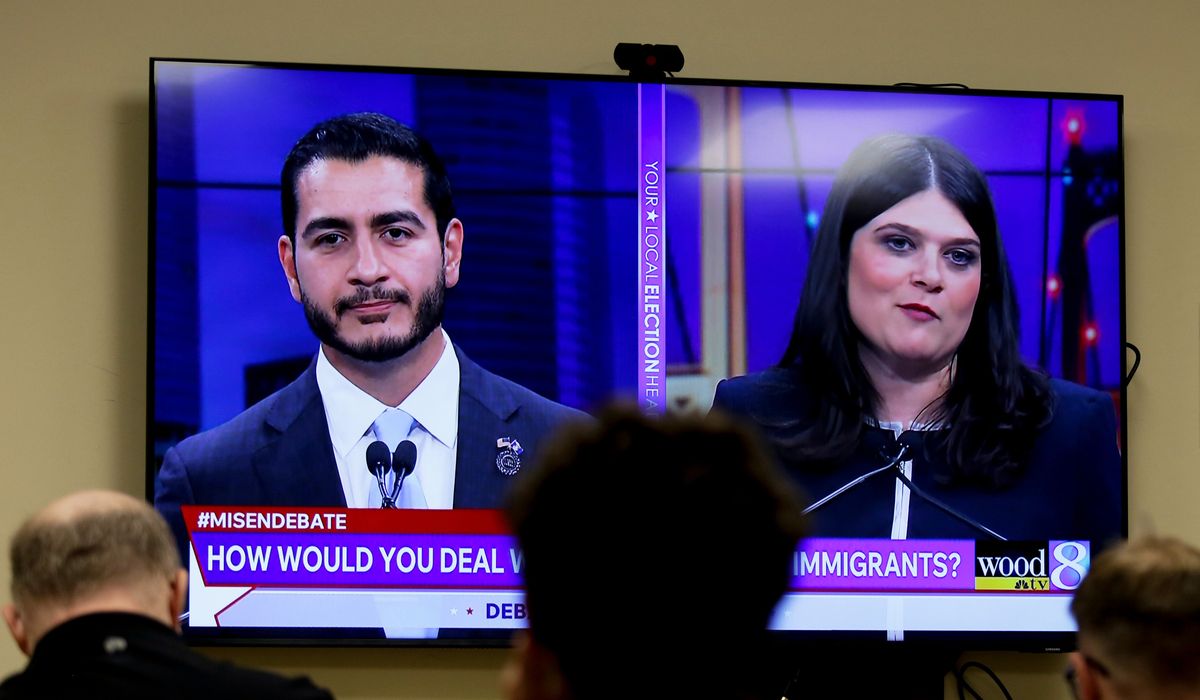
Abdul El-Sayed challenged Rep. Haley Stevens in the final debate, arguing that a vote for her in next week’s primary backs the same corporations, billionaires and special-interest groups he says have too much sway.
In the closing debate before the primary, Abdul El-Sayed went after Rep. Haley Stevens, framing the choice as more than a local contest and instead as a battle over who represents big money. He said a vote for Stevens would keep the same power structures in place and raised the issue of deep-pocketed influence on Democratic politics. That charge lands in a district where voters are already skeptical about the grip of outside cash.
The exchange put fundraising and outside spending front and center, with El-Sayed calling out what he sees as cozy relationships between the incumbent and wealthy donors. From a Republican perspective, this is familiar territory: Democrats talk reform while often relying on large checks and special-interest networks. Voters hear promises about change, then see committees and PACs show up with stacks of cash.
Campaign finance is where the critique really sticks. Money from PACs, bundled contributions and wealthy backers can drive messaging, staffing and turnout operations, and those realities shape who gets traction in a primary. Republicans point out that rhetoric on accountability means little if a candidate takes the same industry checks and votes the same way in office. The debate highlighted that disconnect in plain terms.
Beyond donations, the debate questioned policy alignment. El-Sayed tried to paint Stevens as part of the establishment; Republicans say that accusation matters because policy outcomes follow money and alliances. When interests of corporations and special groups line up with a lawmaker, the public often loses leverage on taxes, jobs and regulation. That predictability worries voters who want local priorities first.
Voter choice in a primary often comes down to perceived independence and willingness to challenge the status quo. Republicans argue that nominees who are free of heavy outside influence can be more honest about tradeoffs and more willing to stand up for constituents. The Stevens-El-Sayed sparring made that point loud and clear, forcing the electorate to weigh allegiance to party networks against claims of independence.
Electability was another theme the debate raised without a lot of ceremony. Candidates who carry the label of “establishment” risk energizing opposition and giving Republicans easy lines to use in a general election. From a conservative angle, exposing those funding patterns helps push voters to consider who will actually deliver on job creation, fiscal restraint and public safety, rather than who will maintain funder relationships.
As voters head to the polls next week, the debate left questions about influence and accountability unresolved and open to interpretation. Campaign watchers will be looking for how outside money moves after this final forum and whether the claims about corporations, billionaires and special-interest groups change the narrative on the ground. The contest now shifts from a debate stage to organizing, and the role of money will be a key storyline to watch.

