

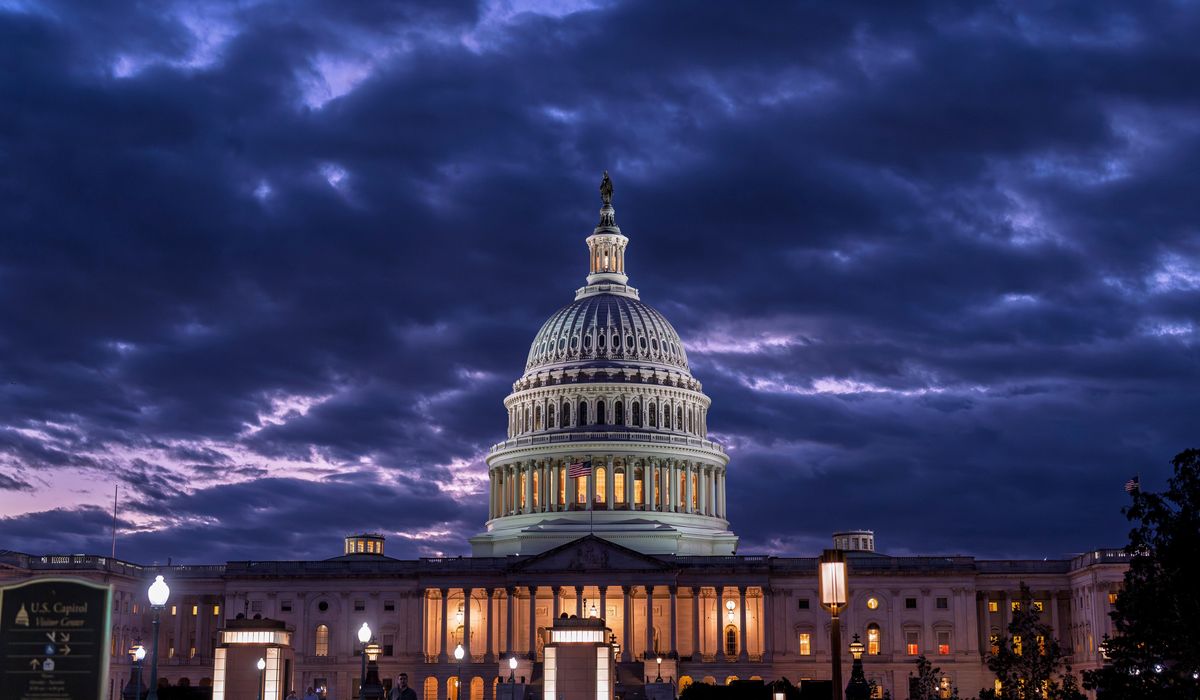
When Congress cobbles together a temporary deal to reopen the government, the next fight is keeping it funded for the rest of the fiscal year. This article looks at the tools lawmakers use, the stakes for taxpayers, and the practical choices Republicans can press to control spending and defend priorities through Sept. 30.
Short-term spending measures, known as continuing resolutions, are the most common fix after a shutdown scare. A CR buys time but rarely solves the root problem: unchecked spending levels baked into larger bills. Republicans should push to use that breathing space to force targeted votes on big-ticket items instead of hiding them inside massive omnibus packages.
Another route is packaging appropriations into smaller minibus bills that address discrete areas like defense, homeland security, or agriculture. Those smaller bills make it easier to take a stand for fiscal restraint and hold colleagues accountable. They also let lawmakers pair funding with specific policy changes, such as border security enhancements Republicans often demand.
An omnibus spending bill can sweep dozens of appropriations into a single vote, and that tempts leaders to bury increases and policy riders. From a Republican perspective, omnibus bills are a poor way to govern because they reduce transparency and force yes-or-no choices on sprawling packages. Insisting on regular order and open amendment processes is a practical way to restore accountability.
Offsets and rescissions are typical GOP tools to keep spending in check when new priorities are added midstream. That means identifying lower-priority programs or unused balances to pay for increases rather than adding to the federal tab. Republicans who want to claim fiscal discipline should demand clear, real offsets and reject bookkeeping gimmicks that pretend to balance the books.
>
The fiscal year ends Sept. 30, which sets the calendar Republicans and Democrats both watch closely.
Border security frequently becomes the bargaining chip in these funding fights, and Republicans rightly prioritize measures that cut illegal crossings and fund interior enforcement. That bargaining can take the form of specific line items, conditional funding, or certification requirements for new resources. Pressing for measurable, enforceable steps avoids open-ended promises and ties dollars to results.
Defense funding is another GOP priority that complicates negotiations: servicemembers need reliable appropriations, but defense budgets often rise alongside discretionary spending elsewhere. Republicans can pair defense support with reforms that rein in waste, prioritize modernization, and demand audits of large programs. That approach signals commitment to national security while still pushing restraint.
Political trade-offs are inevitable; votes to avoid a shutdown can cost leverage later in the session. Lawmakers who agree to temporary funding should build clear timetables and floor votes on contested issues so the next round is a choice voters can see. Keeping the pressure on committees and demanding public votes prevents backroom deals from flipping the script on fiscal conservatives.
Practically, a responsible strategy blends short stops with long-term discipline: use CRs sparingly, move minibus appropriations through committee, force recorded votes on offsets, and attach clear enforcement to border and defense dollars. Republican messaging should emphasize protecting taxpayers from runaway spending while delivering funding for core priorities. That keeps policy debate focused where it matters and avoids the chaos that invites another shutdown showdown soon after.

