

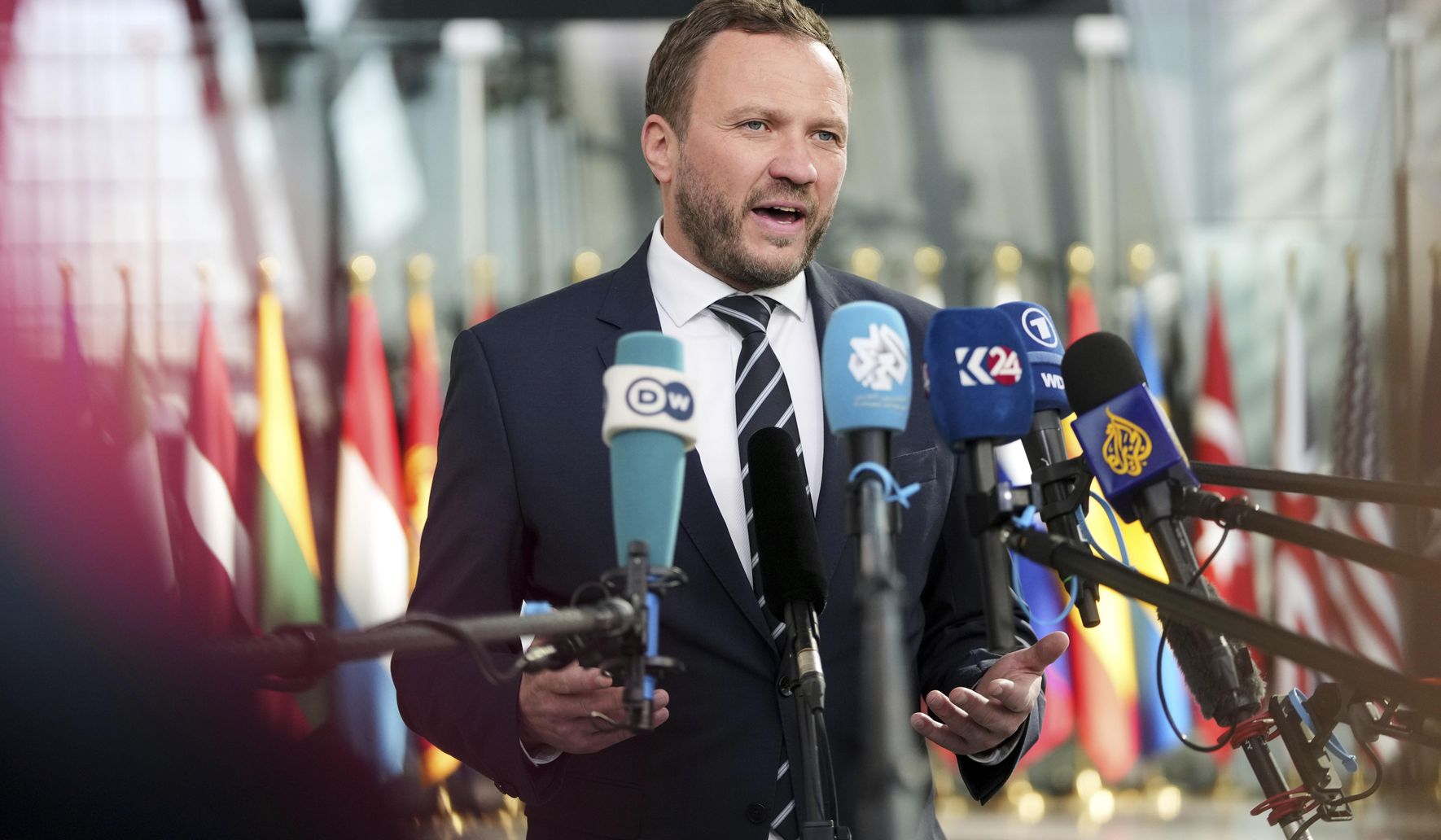
Estonia says its airspace was breached by three Russian MiG-31s in mid-September and rejects Moscow’s denials, arguing the incident underscores the need for stronger deterrence and clearer NATO responses.
Estonia’s foreign minister dismissed Russian denials that three of its MiG-31 fighter jets crossed into his country’s airspace in mid-September. Tallinn has publicly pushed back against Moscow’s account, treating the episode as a clear challenge to Estonian sovereignty and to NATO’s eastern flank. Officials framed the event as part of a pattern of aggressive probing and risky behavior near allied borders. That pattern raises real questions about readiness and rules of engagement.
The MiG-31 is a high-speed interceptor built to operate at altitude and to cover vast distances, and the report that three were involved makes the incident audacious rather than accidental. Estonia’s reaction was firm and unyielding, reflecting a government unwilling to accept shifting explanations from Russia. NATO allies have watched these airspace incidents with concern because they can escalate quickly if mishandled. From a political standpoint, the right response is increased vigilance and a harder line on violations.
Tallinn has been consistent about defending its airspace, using routine intercepts and diplomatic notes to signal that any breach is unacceptable. Russia’s statements denying the incursion were rejected by Estonia as inconsistent with radar tracks and military reporting. That disconnect between public Russian claims and NATO member state data feeds skepticism across capitals in the alliance. Skepticism in turn should drive policy choices toward deterrence, not appeasement.
On a practical level, airspace violations test the alliance’s surveillance and response systems, revealing gaps that can be fixed with better posture and more resources. Estonia and its partners have invested in radars, quick reaction aircraft, and integrated command systems to shorten the time from detection to interception. Still, incidents like this show those systems must be exercised and funded adequately. Political leaders need to treat these breaches as strategic signals rather than isolated incidents.
Domestic politics in Estonia and among NATO conservatives point to the same priorities: clarity, capability, and consequences. Lawmakers pressed for concrete measures to deter repeat behavior and to strengthen rules for coordinated allied responses. That includes more forward-deployed assets, clearer engagement protocols, and tougher public messaging when sovereign airspace is violated. The aim is to remove any doubt in Moscow about the cost of testing NATO resolve.
Russia’s pattern of noisy denials followed by actions that contradict its words is not new, and it complicates diplomacy. Where Moscow denies and then repeats provocative maneuvers, allies must avoid being lulled by rhetoric and instead focus on observable behavior. Estonia’s insistence that the MiG-31s crossed into its airspace relies on military evidence and consistent reporting from NATO partners. That hard data should shape policy, not soft denials that serve domestic propaganda purposes in Moscow.
For Republicans concerned with national security, this episode is another reminder that deterrence must be credible, funded, and sustained. Weak responses or wishful thinking create the conditions for further risky operations near allied borders. Congress and allied parliaments should press for investments that keep interceptors on quick alert, enhance ISR coverage, and improve joint command capabilities. Clear consequences for violations reinforce the norms that keep skies safe for civilians and military alike.
Estonia’s diplomatic posture after the incident combined public firmness with calls for allied unity, signaling that domestic resolve and collective defense go hand in hand. The incident should prompt practical steps: refine detection-to-interception timelines, rehearse multilateral responses, and increase transparency about what triggers escalation. If allies treat such incursions as routine talking points, they undercut deterrence; if they respond with precision and unity, they reduce the chance of miscalculation and protect sovereign airspace. Estonia’s stance makes that choice obvious.

