

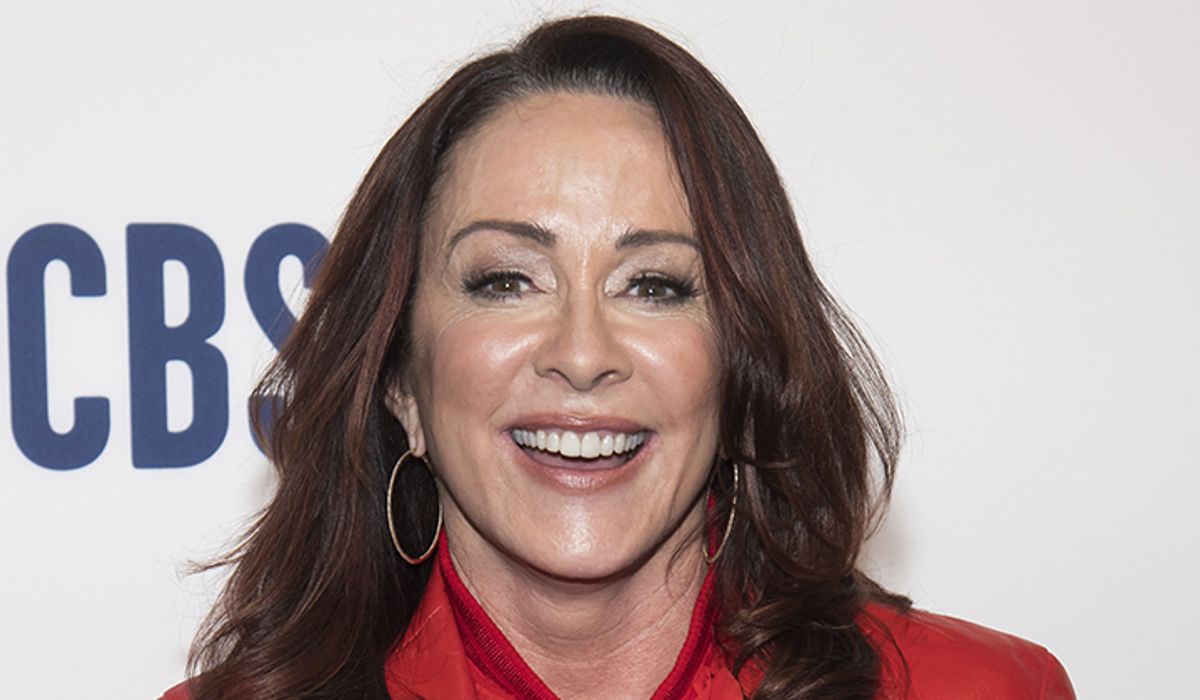
Patricia Heaton’s blunt critique of government pandemic policy has renewed debate about the costs of lockdowns and the accountability of public health officials during crises.
When public figures speak up, it forces a wider conversation about decisions that affected millions of lives. The spotlight on how pandemic policies were shaped and communicated has never fully left the public eye. Many are asking whether experts who advised hard shutdowns should face scrutiny for their influence and the consequences that followed.
“Everybody Loves Raymond” actress PATRICIA HEATON blasts Fauci: “So we were all shut down and Fauci was exulting in his fame…” That line captured the frustration some feel about a perceived imbalance between expert celebrity and everyday sacrifice. It is a vivid expression of anger from someone who watched families, livelihoods, and routines get upended while experts received praise and attention.
From a Republican perspective, the core issue is clear: government power expanded rapidly and often without enough accountability. Policymakers leaned on public health authorities to justify sweeping mandates, and many Americans experienced job loss, social isolation, and mental health harms as a result. People want to know who drove those decisions and whether the tradeoffs were honestly presented.
Celebrities speaking out matters because they reflect and amplify public sentiment. Heaton’s comment taps into a broader distrust of unelected experts whose recommendations carried enormous weight. That distrust is not just partisan noise; it’s rooted in real consequences that affected how people worked, worshipped, and raised their children.
There are also questions about consistency and transparency. Why did some restrictions stick in certain places while others lifted them sooner? Why were data and models sometimes presented with more certainty than they deserved? For those who lost businesses or saw their kids miss critical schooling, those answers are not academic — they are about livelihoods and futures.
Policy should be guided by evidence, but evidence can be messy and uncertain, and leaders must be honest about that. A healthy approach balances public health advice with constitutional rights and economic stability. Many conservatives argue the balance was off, and they want reforms to ensure future responses respect personal freedom and local judgment.
Accountability doesn’t mean punishing scientists for honest mistakes, but it does mean reviewing how authority was used and how information was communicated. Independent audits, clearer lines of responsibility, and improved transparency in advisory processes would help restore confidence. Americans deserve a system that prevents overreach and protects both health and liberty.
The cultural fallout is real: trust in institutions matters, and when it erodes, cooperation becomes harder. Voices like Heaton’s are a reminder that popular approval for experts should not blind us to oversight. Political leaders should listen to those concerns instead of dismissing them as mere grievance politics.
Moving forward requires practical changes and humility. Policymakers must set clear criteria for emergency powers, publish the evidence behind major recommendations, and allow room for dissenting views. That approach would honor both the lessons of the pandemic and the rights of the people affected by its policies.

