

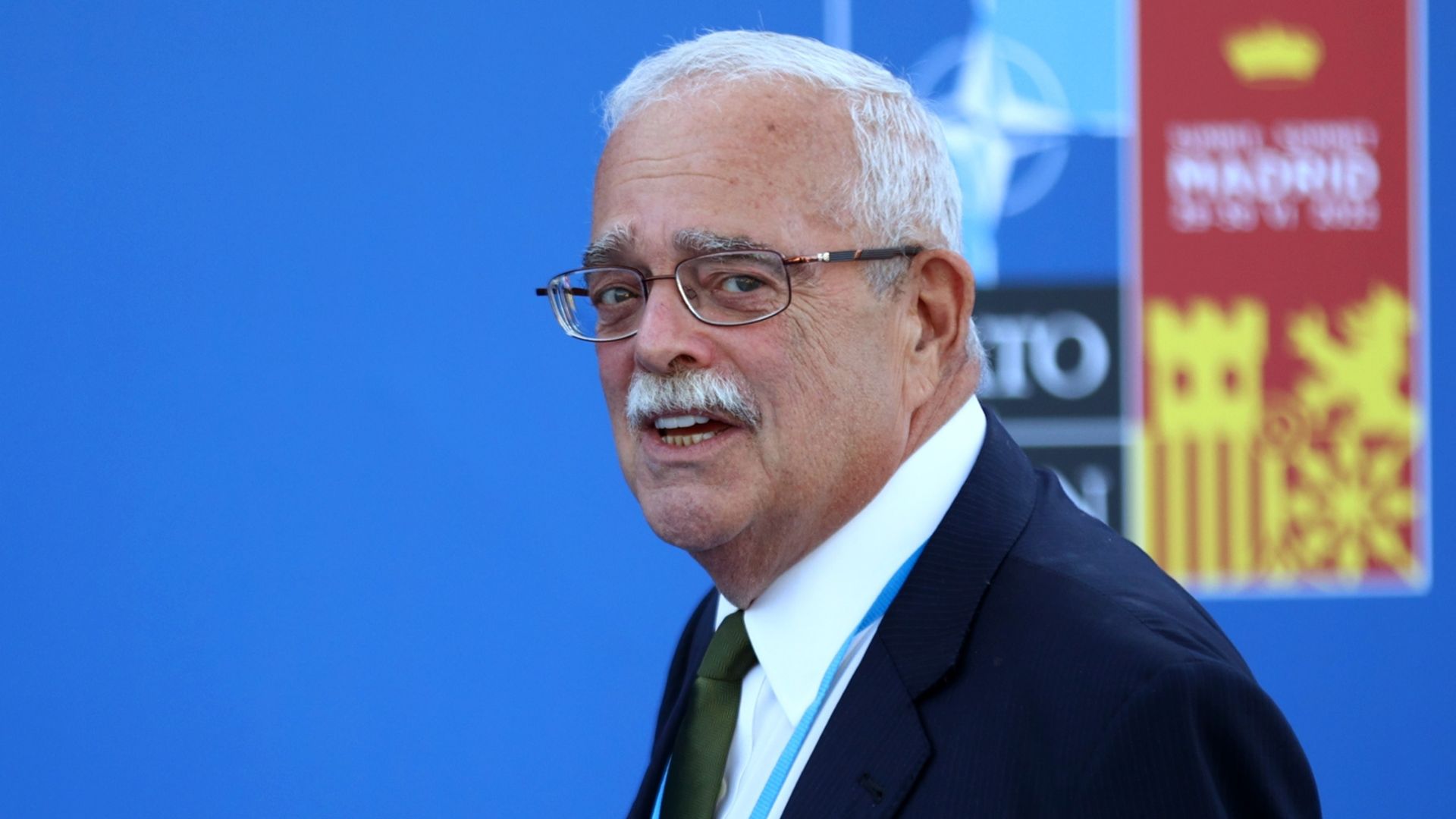
There’s been quite a buzz lately over some emails sent out from the campaign of the late Rep. Gerry Connolly. Kamran Fareedi, who once worked as an FBI informant, received these emails and found them deeply troubling. He described the campaign’s posthumous outreach as “beyond unethical,” raising eyebrows and stirring up a conversation online.
Fareedi took to social media to share his disbelief about getting emails from Connolly’s campaign after the congressman had passed away. The emails were solicitations for fundraising, which seemed odd given Connolly’s death earlier this year. Connolly, who served Virginia’s 11th Congressional District for over a decade, had succumbed to esophageal cancer at the age of 75.
In his post, Fareedi pointed out that the Connolly campaign might be trying to pave the way for Connolly’s former Chief of Staff to take over his congressional seat. This move seems to be an attempt to secure control over the district for the foreseeable future. Fareedi’s comments were clear about the intentions of the campaign operatives, who appear to be positioning James Walkinshaw as the heir to Connolly’s legacy.
Fareedi’s social media post highlighted that the campaign infrastructure of Connolly is still active, seemingly to benefit Walkinshaw in an upcoming nomination. However, the details of these nomination processes remain vague, as polling places for the party-run primary haven’t been announced yet. This lack of transparency only adds to the unease surrounding the campaign’s operations after Connolly’s passing.
Fareedi’s reaction was that using Connolly’s campaign assets in this manner felt “incredibly unethical and disrespectful to the deceased.” His concerns resonate with those who believe the deceased should be left to rest without their name being used for political gains. This sentiment has been echoed by others who feel that the campaign’s actions cross a line of decency.
Walkinshaw, who was closely associated with Connolly, has been publicly tied to Connolly’s wishes as his successor. Connolly had expressed his support for Walkinshaw before his passing in a letter to constituents. The timing of the letter, however, precedes the continuation of fundraising efforts under Connolly’s name, which casts a shadow over the campaign’s current activities.
Connolly’s death came after a prolonged battle with cancer, during which he had resumed treatment in 2024. At the time of his death, Connolly held a significant role as the top Democrat on the House Oversight Committee. His passing not only left a vacancy in Virginia’s 11th District but also intensified the focus on who would fill his shoes.
Speculation about Walkinshaw’s candidacy has only grown since Connolly’s endorsement and the curious activity surrounding the campaign’s digital outreach. The emails Fareedi received seem to have been generated automatically from Connolly’s campaign account. This raises questions about how digital campaign assets are managed after a candidate’s death.
The handling of digital communications and fundraising after a politician’s death is an area that lacks clear regulations. Currently, there’s no specific guidance from campaign finance laws on this issue. Oversight of such systems typically falls to the campaign staff and party officials, which can lead to ethical gray areas.
The Federal Election Commission has not yet commented on whether it will look into this particular incident. However, it has sparked calls for reform in how campaign emails and donations are managed when a candidate dies. Such reforms could ensure that campaign practices remain respectful and transparent, honoring the legacy of the deceased.
The Connolly campaign has remained silent on the matter, offering no public response to the reports. Similarly, Walkinshaw has not addressed the use of the email system in Connolly’s name. The lack of communication from both parties leaves many questions unanswered, fueling the controversy.
This situation highlights the need for clear guidelines on handling campaign resources after a candidate’s death. It also underscores the importance of maintaining ethical standards in political campaigns. As this story unfolds, it serves as a reminder of the complexities involved in navigating the intersection of politics and technology.
The opinions expressed about this issue are varied, reflecting the diverse perspectives within the political landscape. While some view the continued use of Connolly’s campaign assets as a strategic move, others see it as a breach of ethical conduct. The debate continues as more people weigh in on the implications of these actions.
The situation is a stark reminder of the need for accountability and transparency in political campaigning. It also raises broader questions about how political legacies are managed and preserved. As the community reflects on these issues, it’s clear that the conversation is far from over.


2 Comments
Par for the course in this now corrupted to the hilt America!!!
Also check out the latest about our own Pentagon being the soul responsible party in manufacturing the whole UFO Fake Narrative perpetrated since the 1950’s to deceive the American People and keep them from realizing that secret weapons and devices were being developed say for example at Area 51! Our government has been a lying machine to maintain the Power Grid Within and screw the American People which was supposed to be the People’s Government that whole Of By and For the People was dumped long ago!
Why would you think Soros is allowed to be free as a bird when she should have been summarily executed decades ago and yet not even a charge on that devil!
Why not ? I’ll send a dollar. After all, he is a good Democrat. Hey, DNC ! Wanna make $50 ?