

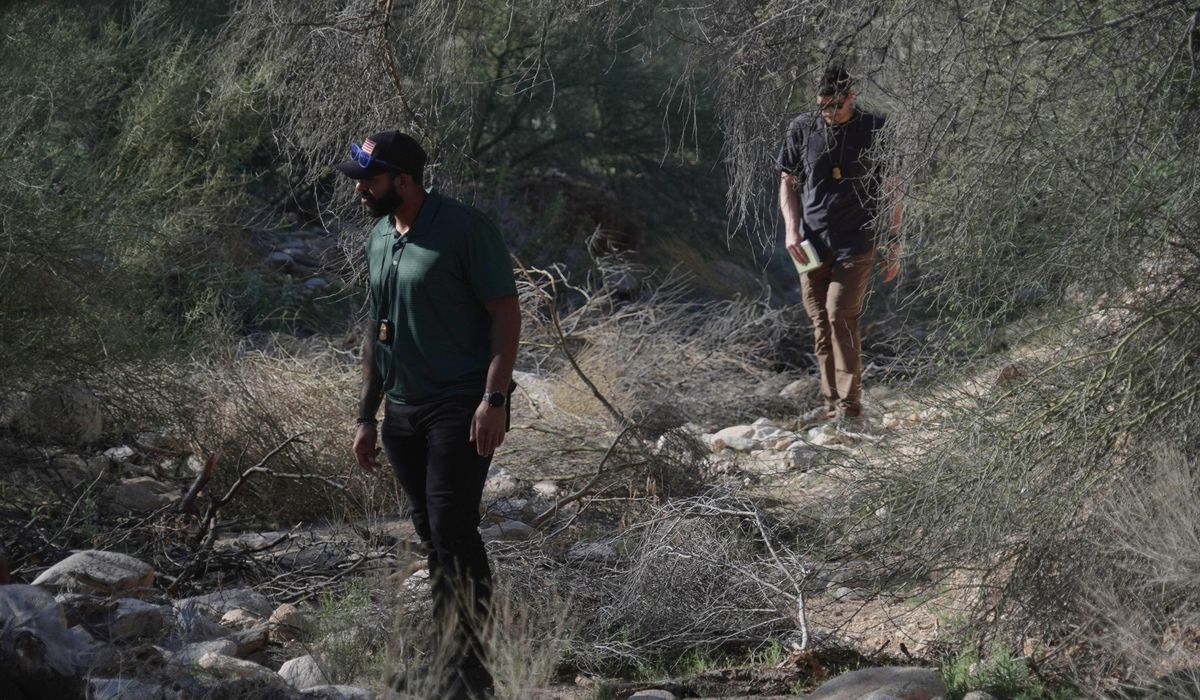
Nancy Guthrie vanished in Tucson, and investigators report finding a glove with DNA about two miles from her home that appears to connect to a masked figure seen at her door the night she disappeared.
The case has drawn attention because of a concrete piece of evidence that may tie a suspect to the scene. The FBI says a glove containing DNA was found about two miles from Nancy Guthrie’s home and appears to match those worn by a masked person outside her front door in Tucson the night she vanished. That discovery shifts the focus from speculation to the scientific work of matching DNA and establishing a chain of custody.
Law enforcement describes this as an active, evolving investigation with several moving parts. Agents are processing forensic traces, canvassing neighborhoods, and reexamining timelines to see how the glove fits into the broader picture. Forensic labs are testing the DNA, but matching genetic material to an individual requires confirmation through comparison samples and rigorous procedures.
Forensic matches can point to a suspect, but they rarely close a case on their own. Investigators still need corroborating evidence such as surveillance footage, witness statements, and other physical items that connect a person to the scene. The quality of the DNA, how it was collected, and whether it could have been contaminated are all questions that will factor into any potential charges.
The discovery also raises questions about the movements linked to the item itself. Two miles is a modest distance, but it forces investigators to map possible routes between where the glove was located and the Guthrie residence. That mapping helps build hypotheses about where a suspect might have traveled, whether they disposed of evidence knowingly, and what other witnesses or cameras might have captured.
Community reaction has been sharp, with neighbors expressing concern about safety and the timeline of events. Even without public calls for action, local residents are recounting what they remember, which can be helpful to investigators piecing together a sequence of events. Media attention intensifies scrutiny, and that can be a double-edged sword for both the family and the ongoing inquiry.
Legal steps loom once authorities feel they have a viable lead from the DNA results. Prosecutors will want a clear narrative that links the physical evidence to a suspect and shows intent or involvement. Defense teams can challenge how evidence was gathered or handled, so meticulous documentation by investigators is essential to withstand scrutiny in court.
Investigators often move deliberately when DNA is involved because mistakes can derail a case at trial. That process includes cataloging where the glove was found, detailing who had contact with it, and ensuring labs follow strict protocols. Those notes are part of the legal record and will be examined closely if charges are filed.
There are practical limits to what DNA alone can reveal, and investigators balance science with old-fashioned detective work. Timing, motive, opportunity, and behavioral patterns still matter when assembling a case. The DNA match, if confirmed, becomes one piece in a mosaic that investigators must place carefully to produce a reliable, prosecutable story.
The family’s situation remains painful and uncertain as the inquiry continues. News of the forensic find can bring mixed emotions — relief that progress may be happening and frustration at how long the process takes. Regardless of the outcome, the way authorities handle and present the evidence will shape both the legal path forward and the community’s sense of closure.

