

Quick overview: a straightforward look at President Trump’s social media posts targeting Canada and Mexico, the official responses they sparked, the political logic behind the messaging, and what it means for negotiations and voters.
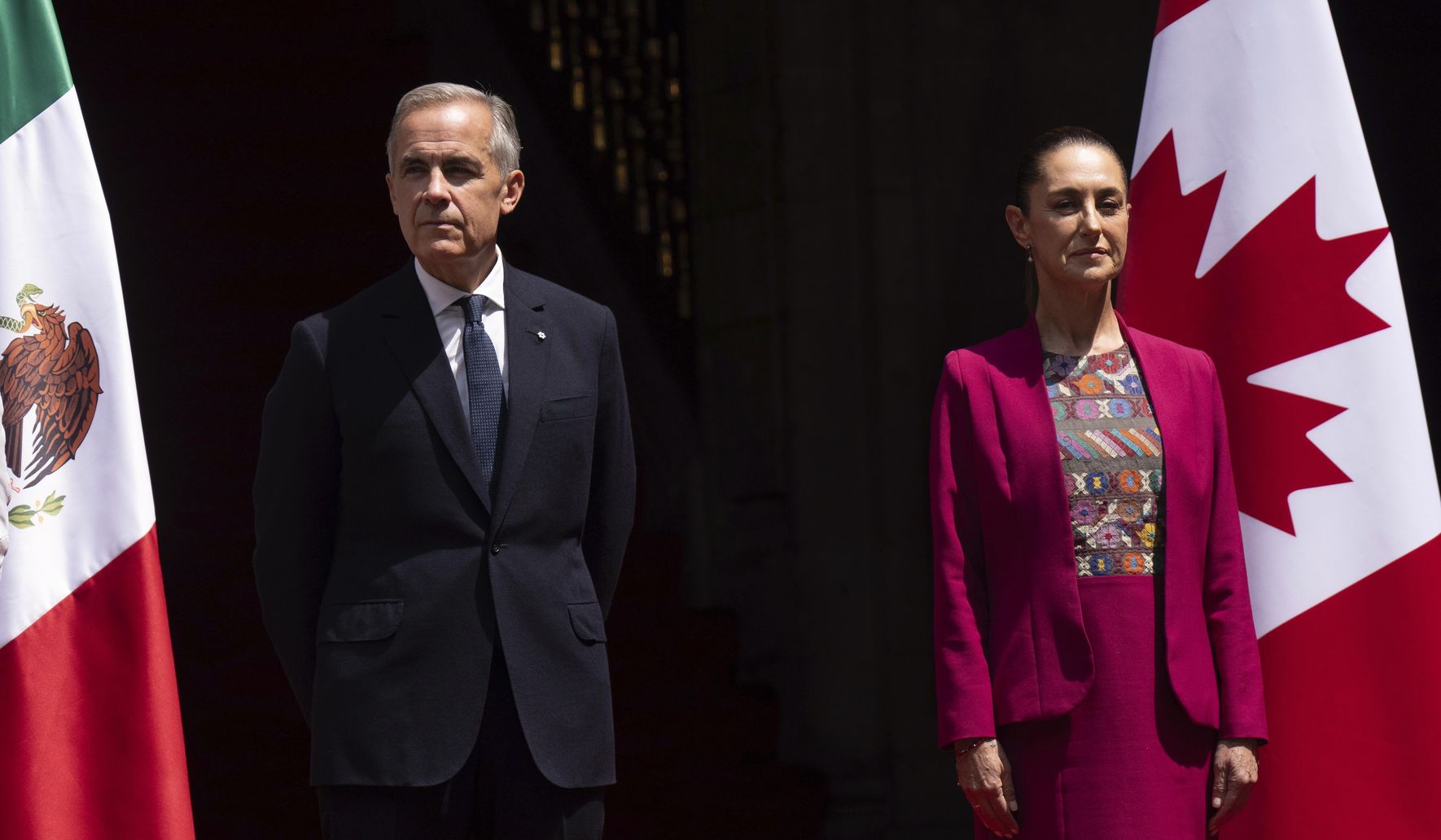
“President Trump’s social media posts taunting America’s neighbors are drawing backlash from their leaders.” That line has been repeated across headlines, and the reaction has been swift and loud in Ottawa and Mexico City. The exchanges are part public theater, part negotiation tactic, and part political signal to voters at home.
The President’s tone on social platforms is unapologetic and direct, and supporters see that as a strength rather than a flaw. Messaging aimed at foreign leaders often doubles as messaging to domestic audiences who want results on trade and border security. For many Republicans, plain talk is preferable to guarded diplomatic language that hides real priorities.
On substance, the disputes behind the tweets are familiar: trade imbalances, migration streams, and enforcement along the border. These are tangible policy areas where Washington has leverage and real interests to defend. Using social media to press those points forces the conversation into public view and pressures counterpart governments to respond.
Leaders in Mexico and Canada predictably pushed back, criticizing tone and, in some cases, calling for formal assurances about bilateral respect. Whatever the rhetoric, those governments still have to negotiate on tariffs, energy, and security cooperation. The backlash is political theater for audiences in their own capitals as much as it is genuine diplomatic concern.
From a Republican perspective, firmness works because it clarifies U.S. priorities and signals that concessions will not be made quietly. Negotiators gain leverage when their domestic base trusts them to hold the line. That trust means compromises, when they happen, come from a position of strength and with clear political cover.
Mainstream media coverage tends to focus on the fireworks rather than the policy details, which leaves a lot of context out of the conversation. Critics highlight tone and decorum, while supporters point to delivered outcomes like better terms or increased enforcement. The real metric for voters is what changes on the ground, not how politely arguments are phrased.
Diplomacy adapts to the tools leaders use, and social media is now a permanent part of statecraft. Public calls and barbs can speed a negotiation by raising reputational stakes, but they can also lock leaders into postures that make compromise harder. Skilled teams back those messages with private channels to manage fallout and keep deals alive.
Economic ties between the United States, Canada, and Mexico are deep and resilient, and transactional tension rarely breaks the underlying dependence. Cross-border supply chains, energy trade, and tourism continue despite harsh words because all three countries benefit from predictable commerce. That practical reality means tough talk often yields to pragmatism when negotiators sit down.
For voters, this approach sends a simple signal: American interests come first and leadership will use every tool to protect them. That resonates with Republicans who prioritize border security and fair trade as everyday concerns that affect jobs and communities. The debates will continue, but the strategy is clear and intentional.
Watch for two things next: whether public pressure produces concrete changes in policy or enforcement, and how fast private diplomacy smooths over the public friction. Neither outcome is guaranteed, but both are likely paths forward as officials balance national interest, optics, and the need for workable agreements. These moments test leadership, and the country gets to judge the results at the ballot box and in the ledger of real-world outcomes.

