

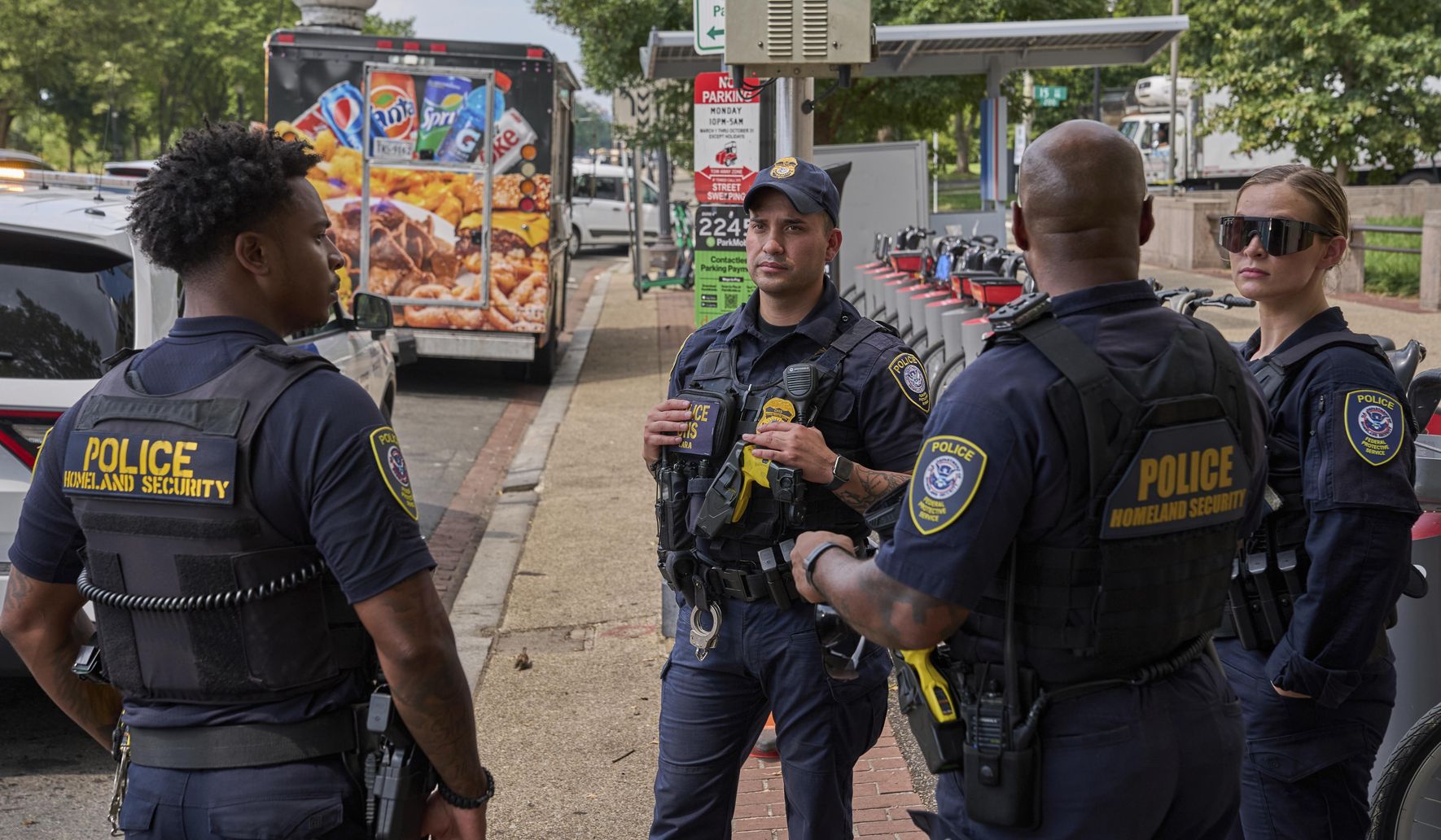
A federal judge sharply rebuked the Trump administration, ordering limits on warrantless arrests in Washington, D.C., and warning that officers must have clear evidence before detaining migrants in the capital.
The judge’s decision landed on a Tuesday and cut into a tactic the administration had been using to detain migrants without warrants inside the nation’s capital. This ruling insists that officers show clear, articulable evidence before making arrests, narrowing the circumstances under which warrantless detentions are acceptable. The order is framed as a protection of constitutional limits on arrests within the District of Columbia.
From a Republican perspective, the ruling feels like a thumb on the scale against enforcement tools that border and immigration officials say they need. Officials argue that quick, warrantless actions can be necessary to prevent immediate threats, to follow up on intelligence, or to handle situations where delays could allow suspects to flee. That argument clashes with the judge’s insistence on stronger, pre-arrest justification in an urban jurisdiction that values strict Fourth Amendment safeguards.
The legal fight reflects a deeper tension between federal enforcement priorities and local legal frameworks in the capital. Courts traditionally balance individual liberty with public safety, but this ruling emphasizes liberty by tightening the standard for warrantless arrests. Republicans who prioritize border security see the decision as prioritizing legal procedure over practical enforcement, potentially creating safe havens for those who would evade federal custody.
Practical consequences could be immediate: agents operating in D.C. may have to change tactics, rely more on warrants, or coordinate differently with local authorities to meet the court’s standard. That adds time and paperwork, which supporters of strong enforcement say can blunt the government’s ability to act fast when threats or flight risks appear. Opponents will call that progress for civil liberties, while supporters will call it an avoidable handicap to keeping communities safe.
The order also raises questions about federal reach and judicial oversight during immigration enforcement actions. Republicans concerned with sovereignty and public safety argue that judges should be cautious before hamstringing federal agents who operate under national laws and congressional mandates. They point out that enforcement in the capital frequently intersects with other national security responsibilities, and that overly restrictive local rulings can complicate those missions.
On the other side, defenders of the ruling underscore the importance of the Fourth Amendment and the danger of unchecked arrests without judicial review. Their stance is that warrantless arrests have a history of potential abuse, and that the court is simply restoring a baseline legal protection for individuals within D.C. That view is persuasive to those who see civil liberties as the watchguard against government overreach, even in cases involving migrants or national enforcement priorities.
Republican lawmakers who favor tougher immigration controls are likely to push back through legislation, oversight, and public messaging. They can press for clearer statutory authority that reconciles the need for quick action with constitutional constraints, or they can challenge the ruling in higher courts. For voters who prioritize secure borders, the debate will center on whether judges are inserting themselves into policy decisions that Congress and the executive branch should make.
Ultimately, the episode spotlights the recurring clash between enforcement imperatives and judicial limits. It will take more than a single order to settle the matter, and expect additional legal filings, appeals, and political pressure as both sides test the boundaries. The outcome will shape how agents carry out arrests in the capital and how much deference courts give to enforcement choices tied to national priorities.

