

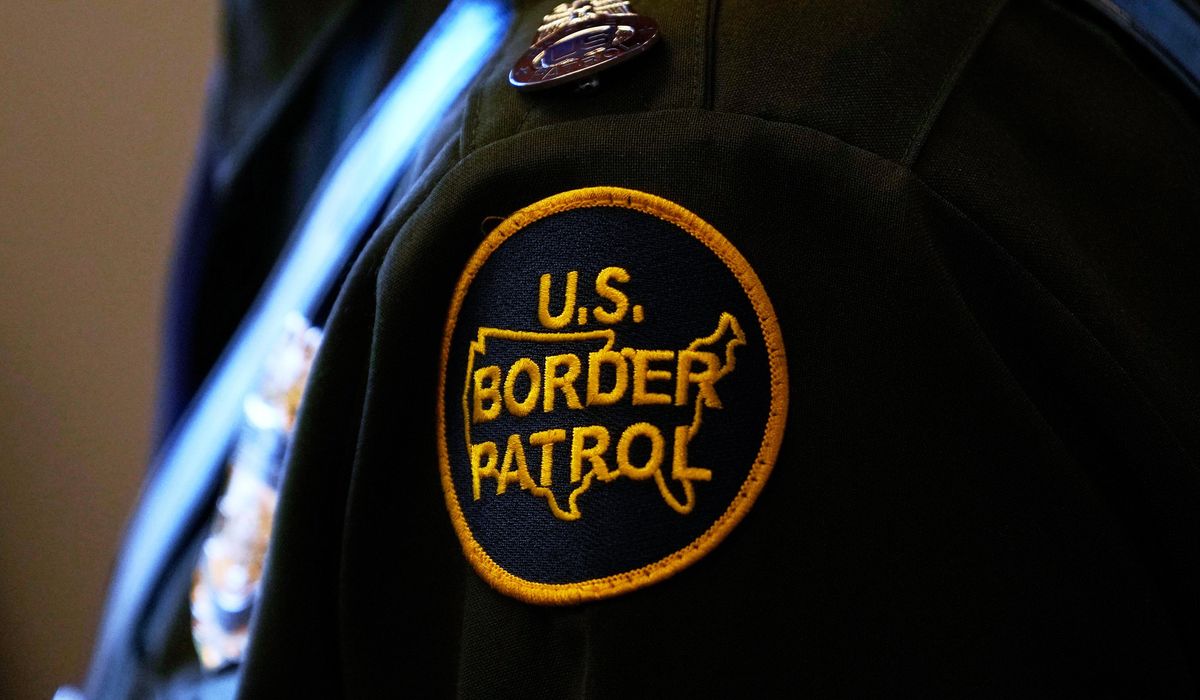
An undocumented man from Mexico admitted in court that he posed as a Border Patrol agent in an attempt to block federal arrests and deportations.
The courtroom admission landed like a confirmation of what many conservative critics of current border policy already suspected: holes in enforcement can be exploited in bold, dangerous ways. Officials say the man impersonated a Border Patrol agent to stop or delay federal officers from executing arrests and deportation orders. The case highlights both a specific criminal act and a broader pattern of opportunism at the border.
The impersonation was not a petty prank. According to court filings, he used the trappings of authority to interfere with law enforcement activity and to mislead individuals about their legal status. Impersonating a federal agent is itself a federal offense, and the man’s own admission simplifies prosecutors’ job in proving intent. From a Republican perspective, this kind of scheming underscores why clear, enforceable consequences matter.
Beyond the personal risk from committing a crime, the impersonation jeopardized public safety by undermining trust in legitimate Border Patrol officers. When bad actors mimic agents, it creates confusion for civilians and complicates real enforcement work. Agents must be able to do their jobs without worrying that anyone could be impersonating them, especially when deportation proceedings and arrests are on the line.
The case reveals operational vulnerabilities that bad actors exploit when border policy and enforcement are perceived as inconsistent. Loose or confusing enforcement signals can invite opportunistic behavior from smugglers, fraudsters, and others seeking to frustrate removals. A core Republican argument is that predictable, strict enforcement reduces incentives for these kinds of schemes and protects communities along the border.
Courtroom admissions like this also make it easier for prosecutors to pursue sentencing that reflects the seriousness of the offense. Federal statutes against impersonating officers exist because the harms are real and measurable: disrupted operations, endangered agents and civilians, and the erosion of public trust. Republicans argue that enforcing those statutes promptly and firmly serves both justice and deterrence.
The incident is a reminder that immigration policy has real, on-the-ground consequences beyond administrative debates in Washington. When enforcement is perceived as uneven, people are more likely to try risky gambits to avoid removal. That breeds an environment where criminal conduct can flourish, and it places an extra burden on already strained frontline personnel doing the hard work of securing the border.
Lawmakers and enforcement leaders on the right say cases like this should prompt reforms that tighten gaps in authority verification, strengthen penalties for impersonation, and streamline deportation processes so they are less vulnerable to interference. They stress that protecting the integrity of Border Patrol operations is not just about deterrence, but about respecting the rule of law. Restoring predictable enforcement, in their view, stops opportunists before they try stunts like masquerading as agents.
Ultimately, the man’s admission in court is both a criminal resolution and a policy signal. Republicans see it as evidence that lax enforcement creates openings for abuse and that strict, consistent implementation of immigration laws prevents misconduct. The legal process will determine his punishment, but the political conversation will likely focus on how to harden the system against similar attempts to obstruct immigration enforcement in the future.

