

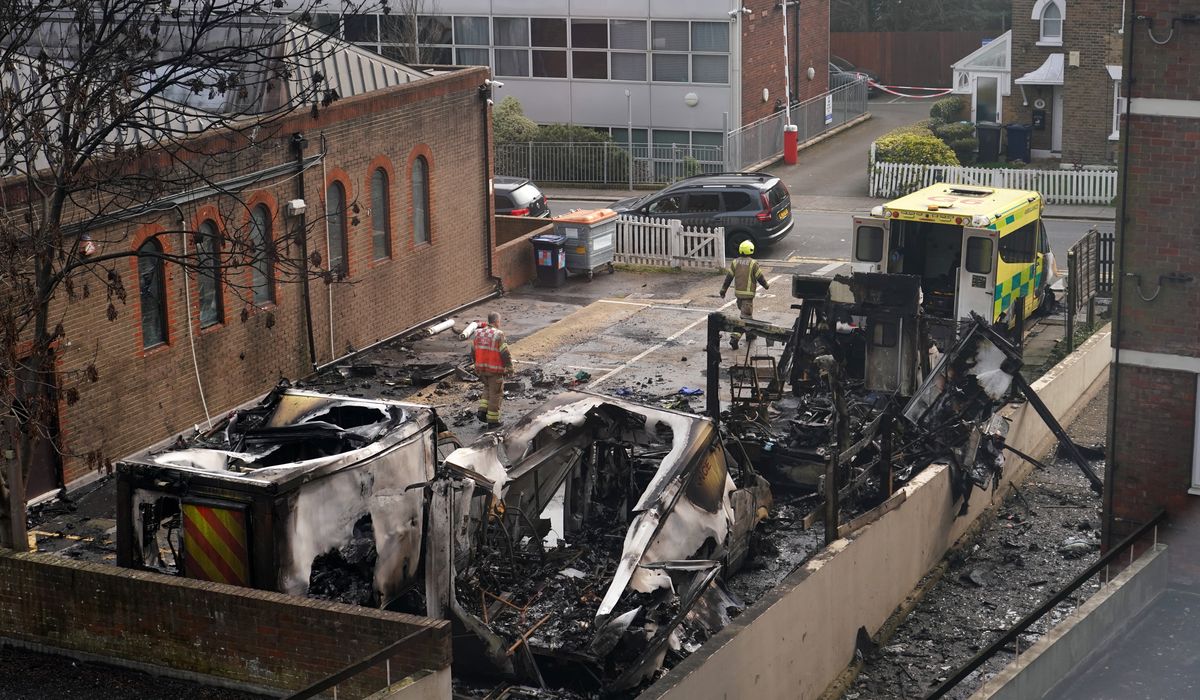
London saw a shocking overnight attack on emergency vehicles tied to a Jewish charity, and authorities are treating it as a potential antisemitic hate crime while the community and police respond.
Four ambulances belonging to a Jewish charity were set on fire early Monday morning in London in what British police are investigating as an antisemitic hate crime. The scene left vehicles gutted and raised immediate alarm among charity workers and local residents who depend on those services. Emergency responders and investigators arrived quickly, but the physical damage is considerable and the emotional impact on staff and volunteers is deep.
Officials described the blaze as deliberate and have launched an inquiry to determine the full circumstances around the attack. Investigators are collecting CCTV footage, interviewing witnesses, and forensically examining the vehicles for clues. Police have framed this as a hate-motivated incident, which brings a distinct set of investigative priorities and public concern.
For the charity, the assault is not just the loss of equipment but a blow to its ability to serve the community. Ambulances are both a practical resource and a symbol of help and protection; destroying them undermines trust and disrupts essential services. Staff have reported shock and anger, as the attack targeted vehicles that were clearly marked as belonging to a religiously affiliated organization.
Community leaders and local politicians have called for a swift and transparent investigation while urging calm. There is a mix of grief and determination in the neighborhood, as people seek reassurance that hate-driven acts will be treated seriously. Local Jewish groups emphasized the need for protection, while broader civic organizations expressed solidarity with the charity and its clients.
Police have stressed they will pursue all leads, and they are appealing for anyone with information to come forward. The nature of the incident places it within a rising focus on antisemitic incidents across urban areas, prompting questions about prevention and policing. Officers are also reviewing nearby security camera networks and speaking with businesses that might hold helpful footage.
Beyond the immediate investigation, there are practical complications for the charity. Replacing specialized vehicles is costly and time-consuming, and insurance claims can become a prolonged administrative burden. Volunteers and managers face the task of maintaining services with reduced capacity while coordinating repairs and replacements under time pressure.
The broader conversation now includes how to safeguard community services and prevent attacks on organizations that serve vulnerable people. Civic groups are pushing for improved security measures and clearer responses from public institutions when hate crimes occur. Meanwhile, residents are watching how authorities balance visible reassurance with effective investigative work.
At the scene, neighbors described a tense atmosphere as teams worked to clear debris and secure evidence. Some people expressed fear about whether similar acts could recur, while others focused on bolstering community networks to support affected staff. Investigators say the probe is ongoing, and the case remains a vivid reminder of how targeted attacks against service providers reverberate beyond property damage to affect social trust and daily life.

