

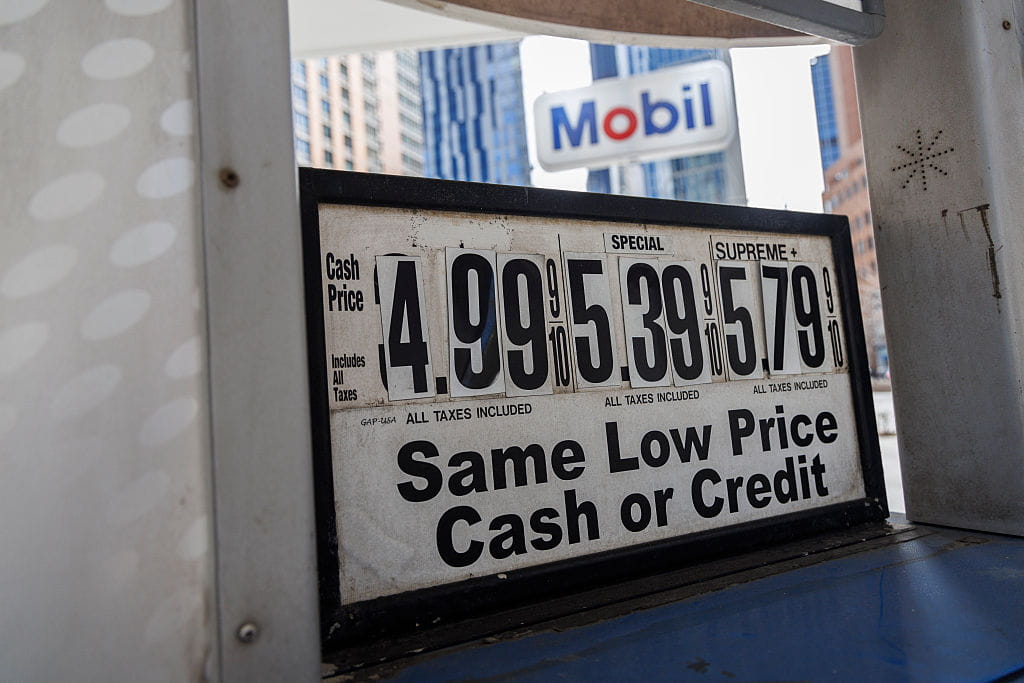
Energy prices that once fell below $60 a barrel and pushed pump prices under $3 are back on the radar as crude tops $100, creating an affordability squeeze that demands clear policy choices.
Who expected energy would be a headline test for President Donald Trump again? A few years ago the market delivered something few thought possible: crude oil prices below $60 and gasoline firmly under $3. Now a barrel of Texas tea is well above $100, and American drivers feel the pinch.
The spike in crude is not a simple local problem; it reflects global tightness, supply choices by major producers, and geopolitical shocks. OPEC+ discipline, conflict-related disruptions, and uneven investment in new capacity have all pushed prices higher. That combination means domestic consumers end up paying more, and the political fallout lands squarely on national leaders.
From a Republican perspective, the playbook is straightforward: secure American energy to protect families and the economy. Boosting domestic production, clearing permitting backlogs, and making long-term investments in infrastructure reduce exposure to volatile foreign supplies. Energy independence lowers risk and keeps prices grounded for households and small businesses.
Regulatory uncertainty and hostility to fossil fuel development discourage capital from flowing into needed projects. Private investors avoid projects that can be delayed or blocked, and that shortfall shows up as tighter supply and higher prices. Lawmakers who want stability should remove unnecessary barriers and signal consistency so markets can respond with the supply needed to cool costs.
Strategic moves matter too. The Strategic Petroleum Reserve is a tool for emergencies, but it is not a substitute for sustained production and a healthy industry. Reliable supply requires both emergency buffers and ongoing investment in fields, pipelines, and refineries. Policies must prioritize long-term resilience over short-term optics.
Natural gas and LNG exports are also part of the solution, not just for balancing trade but for strengthening the market position of the United States. Exporting responsibly helps allies while keeping domestic markets attractive for investment. Clear rules and predictable policy will let energy firms plan for the long haul, which in turn moderates price swings.
At the pump, families need relief now and certainty ahead. Short-term measures can ease pain, but the structural answer is abundant, affordable domestic energy produced under sensible rules. That approach reduces dependence on foreign politicking and stabilizes household budgets without sacrificing market efficiency.
Political leaders should focus on policies that deliver tangible results: permit projects, secure supply chains, and defend the investments that keep costs down. People care about filling their tanks and paying their bills, not abstract debates. Sound energy policy is less about slogans and more about steady access to the resources that power daily life.
Markets will always react to shocks, but smart governance can blunt the worst effects and give consumers breathing room. Restoring the conditions that once brought crude under $60 and pumps under $3 means leaning into American energy advantages rather than walking away from them. That is the practical path to affordability and security.

