

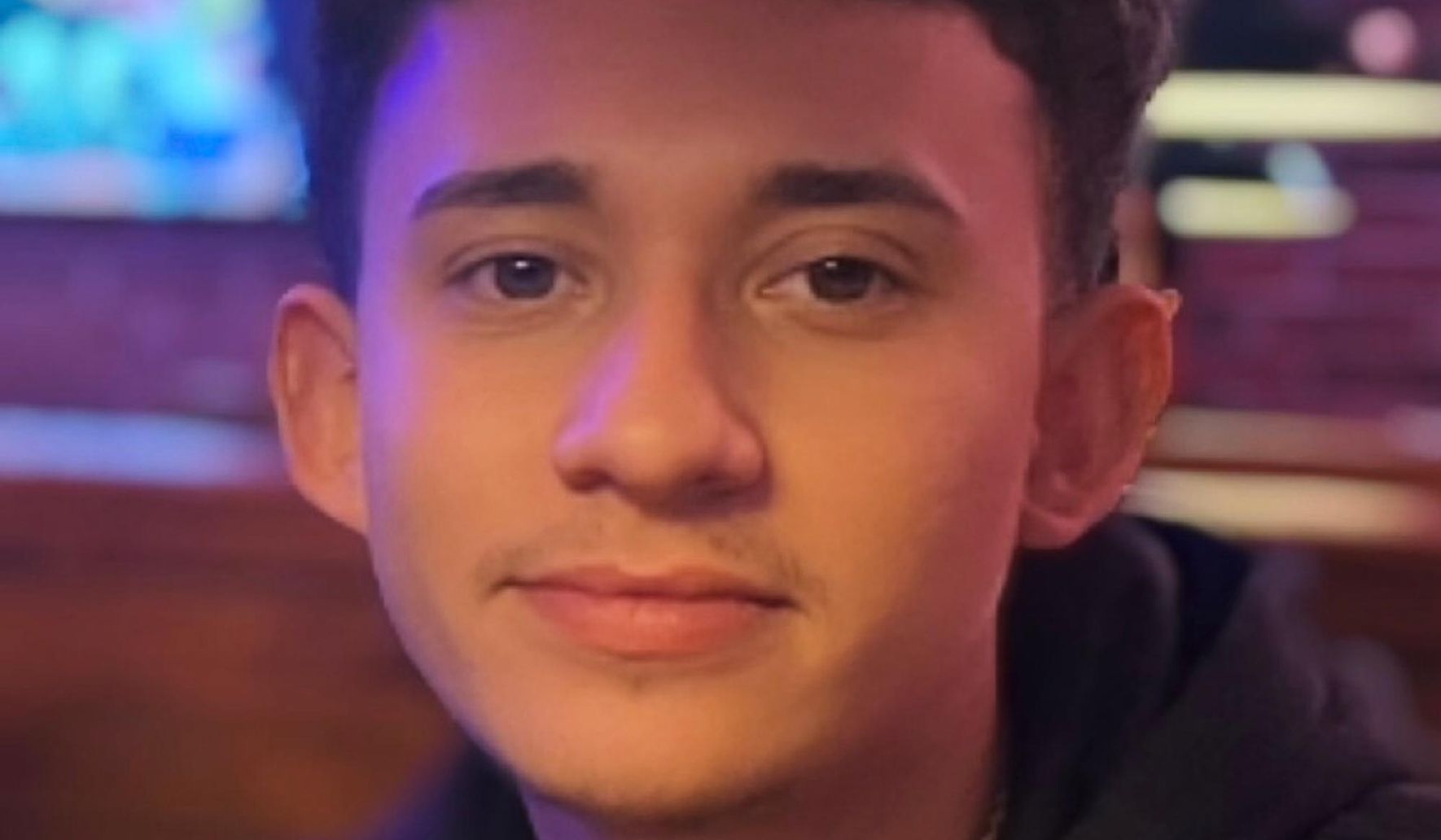
A grand jury on Wednesday rejected indictments in the case of a fatal shooting during a traffic encounter in Texas last year, a decision that leaves questions about accountability, the role of federal immigration agents, and how we handle confrontations on our roads.
A grand jury on Wednesday rejected indictments over the fatal shooting last year of a U.S. citizen by a federal immigration agent during a traffic encounter in Texas, prosecutors said. That short sentence carries a lot: it names the parties involved, the basic timeline, and the legal outcome that now shapes the next steps. The choice not to indict does not erase the fact someone died or the fact officials must explain their actions to the public.
Grand juries exist to weigh evidence and decide whether criminal charges should move forward, and their decisions often reflect a high bar for prosecution. In cases involving law enforcement, juries consider split-second decisions, officer accounts, and sometimes murky video or conflicting witness statements. For many conservatives, this process underscores the need to respect legal standards and not rush to criminalize enforcement actions without full context.
At the same time, the family of the deceased and local communities demand transparency and answers. Emotional pain and public outrage are predictable when a life ends during an encounter with someone in an official capacity. That clash between due process and public demand creates political heat and calls for clear, honest communication from prosecutors and federal agencies.
Federal immigration agents operate under different rules than local police, and that distinction matters when evaluating conduct. Safety protocols, training, and the federal chain of command all influence how an agent responds in a traffic stop. Conservatives arguing for support of those enforcing our immigration laws also expect accountability when use of force crosses legal lines.
This case lands amid broader debates over border security, enforcement priorities, and the trust placed in federal officers. Republicans usually emphasize the importance of lawful enforcement to protect communities and maintain order, while also insisting that officers be judged by the same legal standards as any citizen. That balance between backing the badge and demanding accountability is central to how many voters view incidents like this.
Public trust hinges on thorough and timely investigations, and prosecutors must show the evidence that led a grand jury to decline indictments. Transparency about timelines, witness interviews, and forensic results helps reduce suspicion, even when the legal outcome favors the agent. Without clear explanations, speculation and political theater fill the void and make constructive policy conversations harder.
Officials involved should release as much factual information as permitted by law so the public can understand the decision. That means explaining what evidence the grand jury reviewed and why it concluded there was insufficient basis for charges. For a system to work, ordinary citizens must be able to see that decisions were made on evidence, not on politics or pressure.
At the same time lawmakers and agency leaders should review training and policies governing traffic encounters to prevent future tragedies. Small changes in procedure or emphasis on de-escalation can reduce confrontations that spiral out of control. Conservative policymakers who prioritize law and order can champion reforms that protect both agents and civilians while preserving necessary enforcement tools.
Community leaders, too, have a role: encouraging calm, demanding facts, and resisting calls that inflame tensions without adding clarity. When incidents like this occur, steady leadership that pushes for facts rather than headlines helps communities heal. That approach aligns with a Republican preference for order, respect for institutions, and prudent reform over grandstanding.
Civil remedies remain an option even when criminal charges are declined, and families may pursue other legal avenues. Lawsuits, administrative reviews, and internal disciplinary actions can address misconduct or policy failures. Those channels can complement criminal proceedings and sometimes achieve accountability where a criminal case could not meet the high burden of proof.
The broader lesson is clear: protecting public safety and protecting civil liberties are not mutually exclusive, but they require honesty from officials, clear rules for agents, and a justice system that resists both rushed indictments and reflexive deferral. Citizens deserve the truth about what happened in that Texas traffic encounter and what steps will be taken to prevent similar outcomes. Elected leaders should insist on that clarity while supporting professionals who do tough jobs under difficult conditions.

