

Here’s a clear look at the controversy around a Justice Department brief and how a high-profile U.S. Attorney’s action has stirred criticism from gun rights groups.
Conservative voices are pushing back after an unexpected legal move by the Justice Department caught allies and skeptics off guard. At issue is a brief that undermined a long-running challenge to federal gun rules, and it landed with extra force when Jeanine Pirro put her name on it. The timing and content of that filing have raised questions about priorities and the direction of enforcement in Washington.
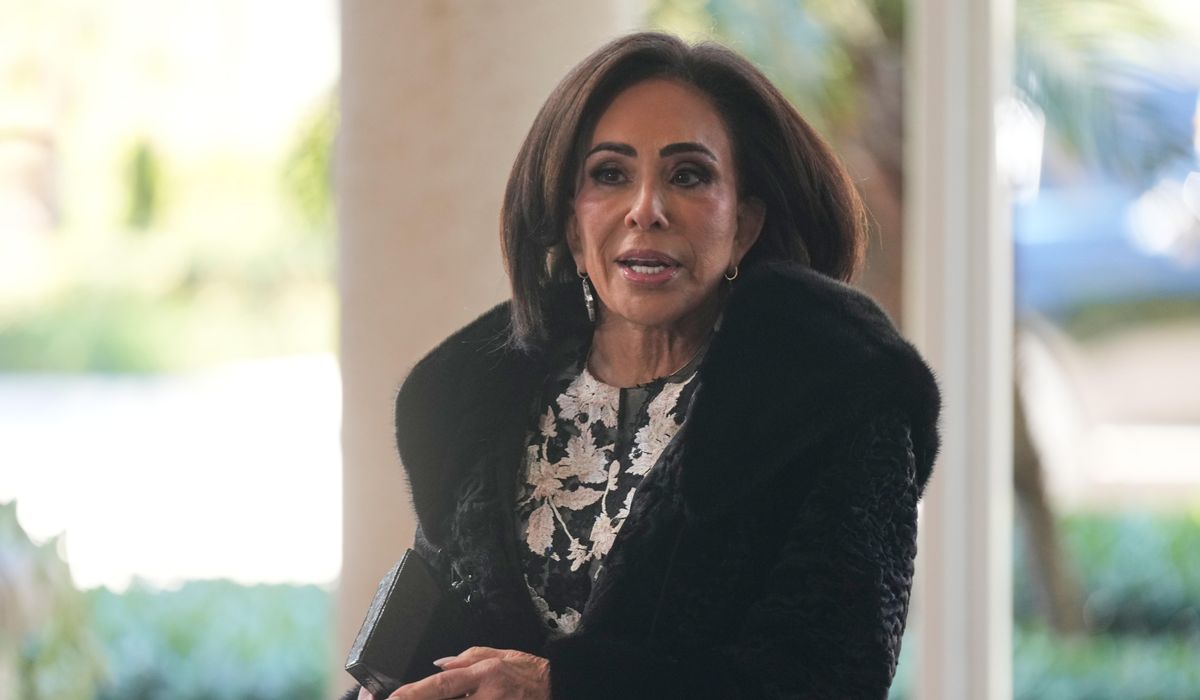
Pro-firearms organizations criticized U.S. Attorney for the District of Columbia Jeanine Pirro for trying to set back a key gun rights case after she signed onto a Justice Department brief seeking to. That exact action felt like a betrayal to many who expected the Justice Department to defend constitutional protections instead of narrowing them. The decision to join that brief has energized legal teams who argue the federal government is moving away from neutral law enforcement toward agenda-driven litigation.
Republican commentators are framing this as part of a worrying pattern: executive-branch lawyers picking sides on hot-button constitutional fights. For conservatives who champion the Second Amendment, the move isn’t just a legal technicality; it’s a political signal. People who supported stricter limits from the start will point to the brief as proof that the administration wants broader regulatory power over firearms.
Critics argue that the brief’s reasoning stretches established precedent and leaves too much room for administrative overreach. Legal scholars on the right say courts should be skeptical when a government filing appears to prioritize policy outcomes over neutral legal analysis. That skepticism is amplified when high-profile figures in the justice system take positions that seem aligned with one political viewpoint rather than the rule of law.
Supporters of stricter gun rules will insist the brief corrects past errors and brings needed clarity to chaotic federal standards. But from a Republican perspective, clarity should not come at the cost of constitutional safeguards or by empowering vague bureaucratic authority. The fight now centers on whether courts will check the Justice Department’s approach or accept a broader interpretation of federal power.
Meanwhile, the case has become a rallying point for grassroots activists and legal defense groups who want judges to reaffirm individual rights. They are preparing detailed briefs and amicus filings aimed at reminding the bench that rights protection is not partisan theater. Courtroom strategy is now front and center, and both sides are mobilizing experts to shape how judges see complicated statutory and constitutional questions.
The political stakes are high because this case could set a nationwide precedent, affecting how ordinary citizens, law enforcement, and regulators interact around firearms. A ruling that favors expansive federal control would reshape years of legal practice and could embolden agencies to issue new restrictions without clear congressional direction. Conversely, a decision that pushes back on the brief would reinforce limits on administrative power and uphold stricter readings of constitutional protections.
Whatever the outcome, transparency and accountability should guide the process, conservatives argue, especially when government lawyers join filings with sweeping implications. Questions about motives and legal rationale deserve answers, and officials should be ready to explain why they took this path. The legal fight ahead will test not just doctrine, but public confidence in a justice system expected to operate without partisan bias.

