

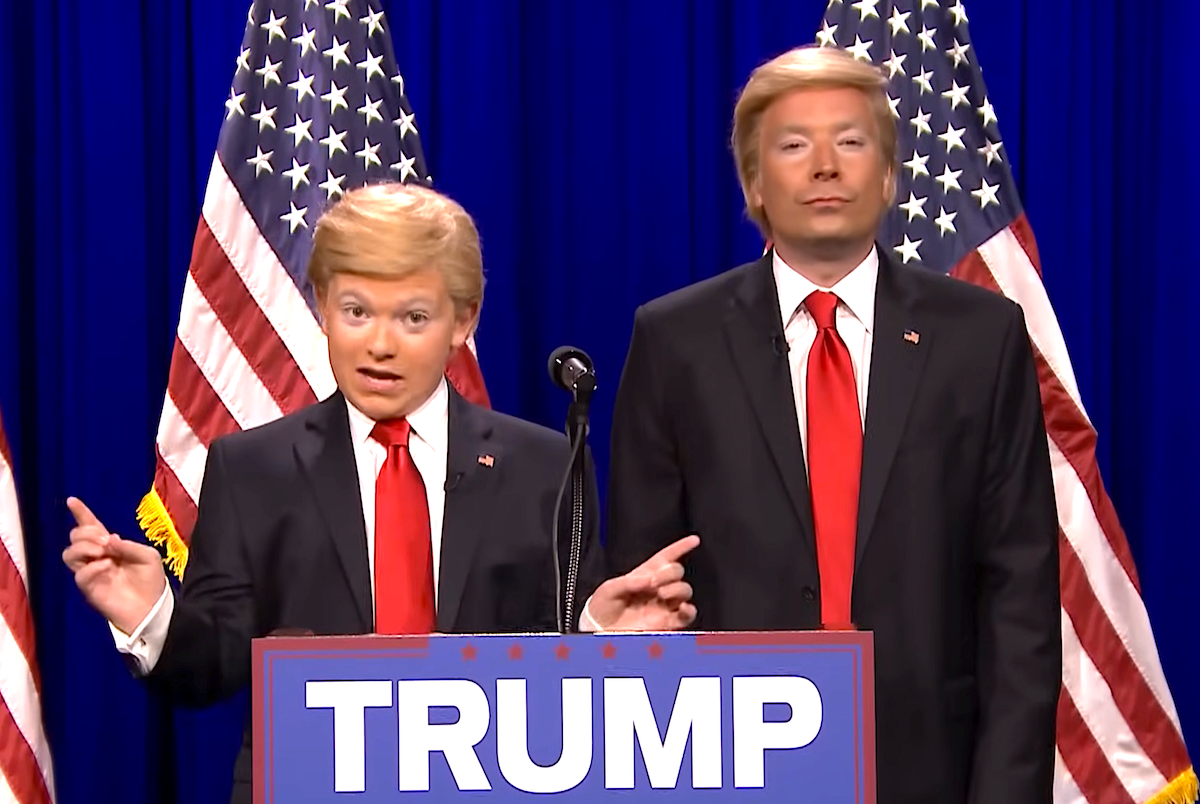
A brisk look at a fresh year and why the old caricatures of Trump no longer carry the weight they once did.
Happy New Year. RIP Trump impressions. That opening line captures a moment lots of people felt the morning after the ball dropped: the theatrical mimicry and late night sketches that once dominated headlines are starting to feel tired and out of step. For many Republicans that is not a lament but a relief, because the focus should be on results, organizing, and ideas rather than impressions. The conversation is shifting from who can imitate the candidate best to who can deliver for voters.
Impressions have long been a kind of political shorthand, a way to reduce complex figures to a few catchphrases and mannerisms. Now, voters are pushing back against shortcuts and asking tougher questions about policy and performance. That matters for Republicans who want to win over independent voters and concerned conservatives who want steady governance rather than endless theater. The market for cheap caricature is shrinking as people demand substance.
Donald Trump changed the political landscape, and no single impression can capture that. He reshaped the judiciary, prioritized border enforcement, and disrupted trade norms in ways that still influence federal policy debates. Conservatives can acknowledge those facts while insisting the debate move beyond personalities and toward measurable outcomes. A party that focuses on victories at the ballot box and in legislatures will always outlast a culture of impression-based commentary.
Mainstream media and late night comics will keep their routines because sensationalism sells, but grassroots voters have different priorities. They want roads fixed, schools that teach reading, and economies that give folks real opportunity. Republicans who meet those expectations and communicate clearly will make impressions irrelevant. Political theater may grab attention, but attention without achievement fades fast.
The New Year is a practical reset. Campaigns need strategy, not parody. Local organizers and state parties should use the downtime to sharpen policy proposals, recruit candidates, and explain how conservative principles translate to everyday improvements for families. That kind of work does not generate viral clips, but it wins elections and changes lives.
Messaging matters, and the best messages are concise, concrete, and credible. That means dropping lines that only energize the base and instead offering plans people can test against reality. Republican leaders can embrace lessons from the last cycle: big personality drew crowds, but clear plans keep votes. Turning away from impression-driven politics does not mean abandoning passion. It means channeling energy into issues that matter.
There is also a media lesson here. Social platforms and cable networks will always chase the next sound bite, but their reach has limits when policy affects people directly. Town halls, county meetings, and constituent services build trust in ways impressions never could. Republicans who invest in those seams of civic life will watch the caricatures fade and influence grow.
Looking ahead, the challenge is to convert energy into organization and results without losing the movement that brought conservatives to prominence. People are ready for a politics that respects their time and treats their concerns as real. As impressions die off, the chance opens to replace them with performance, accountability, and steady leadership that can win not just headlines but governing majorities.

