

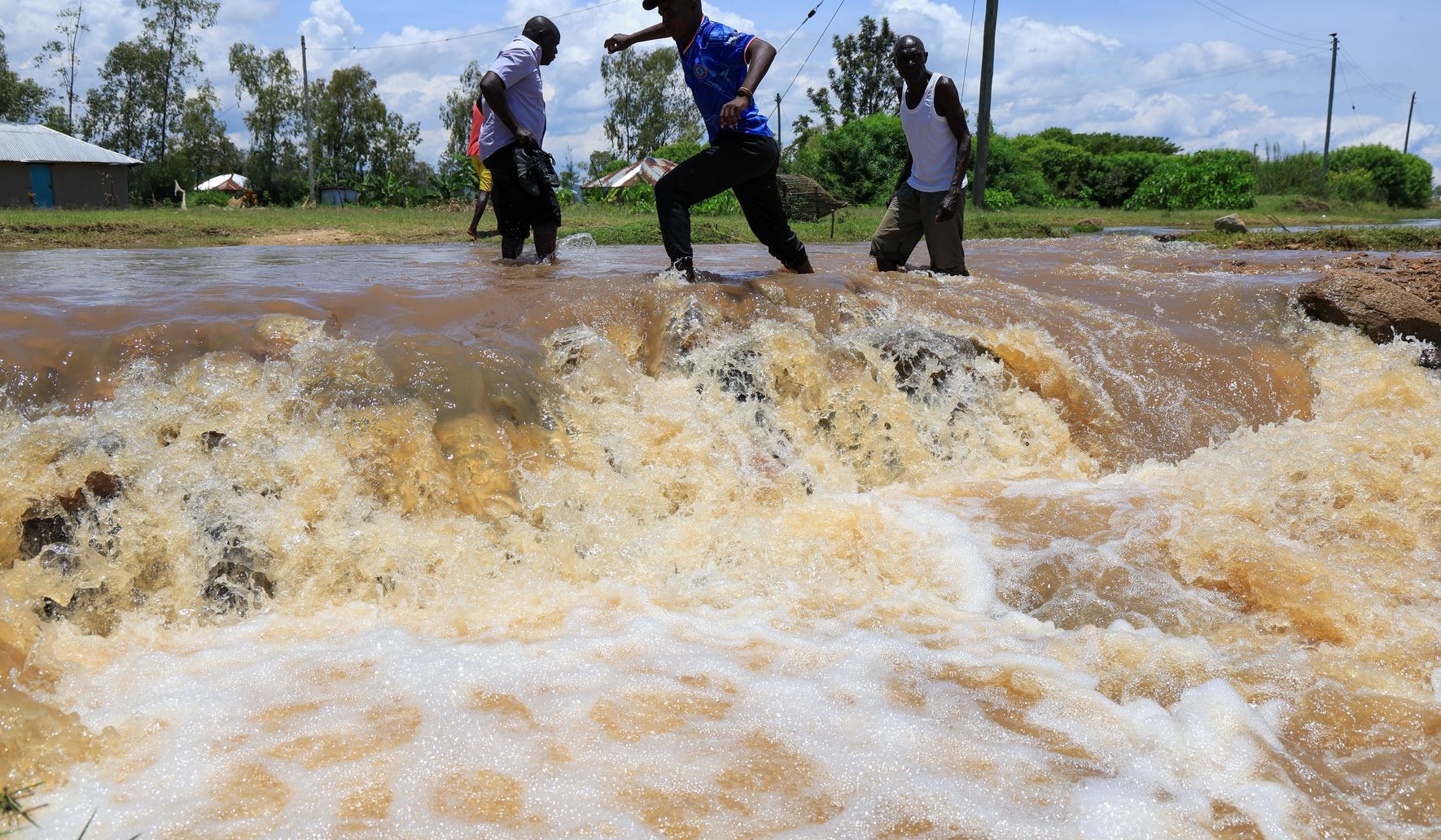
Kenya has seen heavy rains and flooding that have caused fatalities, washed out roads, and forced communities to cope with sudden water and mud flows.
Heavy, persistent rains across parts of Kenya have produced flash floods and swollen rivers, overwhelming drainage systems and low-lying settlements. Recent flooding during ongoing heavy rains in Kenya left 18 people dead over the past week, police said Sunday, with most of the deaths attributed to drowning. Rescue teams and local authorities are working under difficult conditions to reach isolated communities cut off by water and debris.
Communities in river valleys and informal settlements have faced the brunt of the damage as fast-moving water tore through homes and fields. Roads and bridges have been reported as damaged or impassable in multiple counties, complicating relief efforts and delaying essential supplies. Agricultural areas are reporting loss of crops and livestock, adding economic strain to families already dealing with displacement.
Local emergency services have been coordinating evacuations and temporary shelter for those displaced by the flooding. Volunteers and neighborhood groups are supplementing official responses, helping to move people and property to higher ground. Power outages and disrupted communications in several districts have hindered situational reporting and slowed the flow of information.
Meteorological services issued warnings ahead of continued heavy showers and advised residents in vulnerable zones to exercise caution and avoid crossing flooded roads. Authorities emphasized the danger of attempting to drive or walk through moving water, which can hide dangerous currents and debris. Schools and businesses in affected areas have adjusted schedules as communities assess damage and begin recovery.
Public health concerns are rising as stagnant water and damaged sanitation systems increase the risk of waterborne disease. Clean water access has become a priority for relief teams working to prevent outbreaks and to support hygiene needs in temporary shelters. Health clinics are preparing to treat injuries from the floods and to manage possible secondary health impacts.
Repairing infrastructure will be a medium-term challenge, with assessments needed to determine the extent of road, bridge, and utility damage. Local governments face budget and logistical constraints as they balance immediate rescue needs with longer-term rebuilding efforts. International aid organizations and regional partners may be called upon to assist where local capacities are stretched.
Community leaders are urging residents to heed safety advisories and to support one another as recovery plans take shape. Many families are cataloging losses and beginning the difficult task of salvaging possessions and rebuilding shelter. Coordination between county officials, police, and civilian volunteers remains essential to restore basic services and to reduce further risk while the rains continue.

