

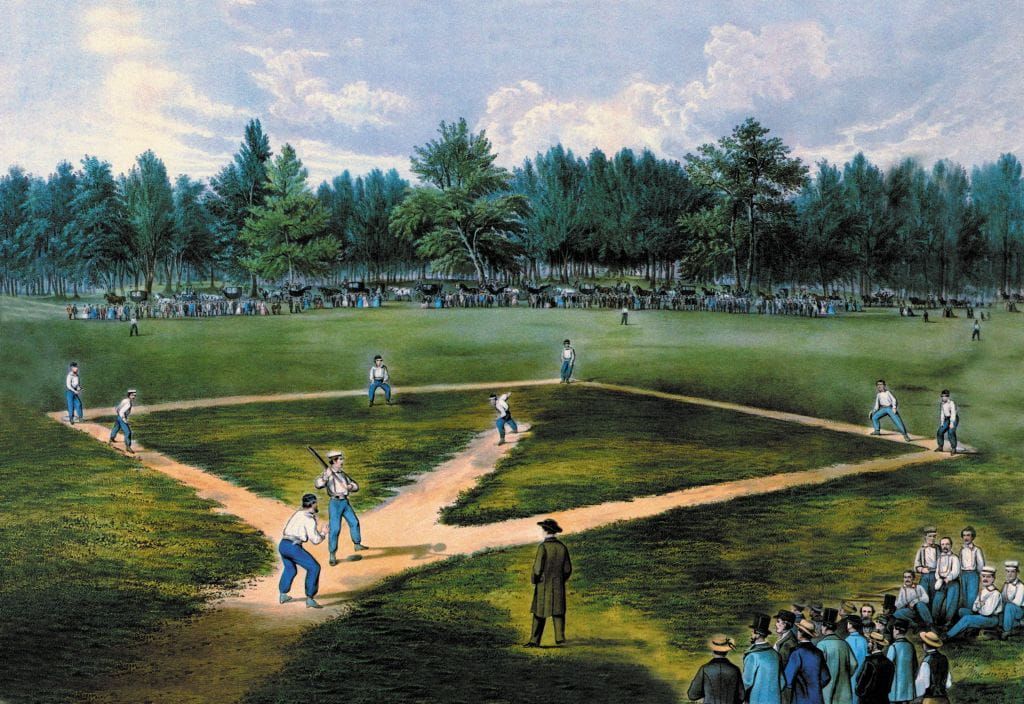
Baseball and America grew up together. This piece traces how a simple bat-and-ball game turned into Liberty Lifestyle’s most enduring pastime, touching on roots, social shifts, and the modern game as of Jun 14, 2026.
Baseball and America grew up together, and that line still rings true in ballparks and backyards across the country. From informal town games to organized clubs in the 19th century, the sport stitched communities together and reflected national change. Its development followed population shifts, industrialization, and the rhythms of American life, shaping rituals that persist today.
The Civil War era helped spread the game as soldiers carried rules and customs between regions, accelerating standardization. Postwar urbanization produced leagues, paid players, and the first professional teams, turning a pastime into an industry. By the early 20th century, the World Series and iconic ballparks made baseball a shared calendar event for millions.
Social change shows up clearly in baseball’s story, too. The Negro Leagues created their own stars and traditions under segregation, and Jackie Robinson’s 1947 debut signaled a turning point for integration in sports and society. Those milestones weren’t just athletic—they were cultural markers that mirrored and sometimes pushed broader shifts toward inclusion.
Local youth leagues and Little League programs expanded the sport’s reach, teaching fundamentals and community values to new generations. For many towns, seasons still turn with high school games and summer schedules, linking family routines and civic pride. The amateur-to-pro pathway has evolved, but the idea that baseball offers lessons in teamwork and patience remains constant.
Technology and media transformed how people experience games, starting with radio broadcasts and then television, which brought ballparks into living rooms. Broadcasting amplified heroes and narratives, turning statistics into conversation and box scores into popular obsession. By the 21st century, streaming, instant highlights, and advanced analytics reshaped fandom while preserving the core spectacle of play.
Economics and commercialization reshaped stadiums and schedules without erasing tradition: concessions, luxury suites, and expanded seasons changed the fan experience. Expansion teams and international recruitment broadened the talent pool, while marketing turned iconic moments into national memory. Yet weekend doubleheaders, fireworks nights, and the smell of peanuts still anchor baseball’s familiar rituals.
Modern baseball keeps inventing itself through technology and strategy, from data-driven lineup decisions to player development systems that begin in academies and travel teams. These innovations influence how the game is played and how fans engage with it, but they coexist with the old pleasures of a well-placed hit or a clutch defensive play. That balance between evolution and tradition is central to baseball’s staying power.
Attendance and participation have ebbed and flowed, but the sport’s cultural presence endures through museums, hall of fame exhibits, and community traditions tied to local teams. The field remains a stage where history, storytelling, and everyday life meet, and where generational bonds form over shared memories. (Photo by Buyenlarge/Getty Images)

