

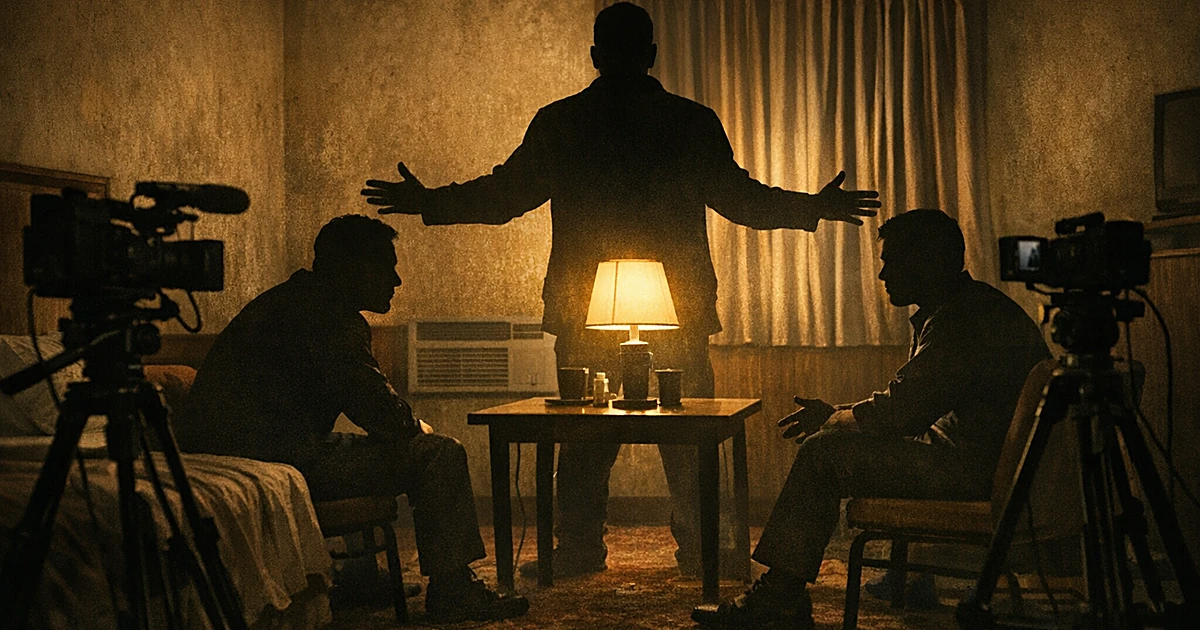
Hunter Biden sat for a motel-room interview with Nick Fuentes, a figure known for antisemitic and white nationalist views, and the encounter turned heated enough that the host reportedly stepped in to prevent a physical fight.
Hunter Biden, a 56-year-old convicted felon and the son of former President Joe Biden, agreed to a taped sit-down with Nick Fuentes in a Philadelphia motel room that was arranged by YouTuber Andrew Callaghan for his Channel 5 show. The session was described as a “no question off limits” discussion and Callaghan reportedly wanted to see whether Biden and the 27-year-old Fuentes could “find common ground.” Reporters say the meeting nearly became physical before the host intervened.
This episode is another stop on a post-pardon publicity campaign that has included podcast appearances, active posting on X, a live gig in Phoenix, a Substack titled “Where’s Hunter,” and a documentary backed by financier Kevin Morris. None of the media activity erases the legal history that preceded the pardon, and it does not change how the public sees the facts of his record.
Hunter Biden pleaded guilty to felony and misdemeanor tax crimes tied to a $1.4 million tax bill and was convicted on felony gun charges for lying about crack cocaine use on a federal firearm form. Before leaving office, his father issued a broad, unconditional pardon covering alleged crimes between 2014 and 2024, wiping the legal slate clean but doing nothing to redress the behavior itself. A presidential pardon does not substitute for accountability in the public square.
Nick Fuentes is widely condemned across the spectrum for attending the “Unite the Right” rally in Charlottesville and for pushing antisemitic conspiracy theories, accusing Jewish people of “dual loyalty to Israel,” and questioning the established number of Jewish deaths during the Holocaust. His rhetoric has included sexist and racist attacks that put him firmly on the American fringe. That context makes the choice to sit down with him striking, especially for someone carrying a presidential surname.
The obvious question is not whether Callaghan can book someone like Fuentes. He can. The question is what Hunter Biden hoped to gain by sharing a camera frame with a man whose fame rests on provocation and denial. Every time a mainstream name lends attention to fringe figures, the fringe benefits, and that trade-off is what critics are calling poor judgment.
This pattern of choices feeds a broader narrative about the Biden family’s public handling of controversy. Over the years, observers pointed to the former president’s visible decline and to public incidents that left even allies uneasy. The family’s private doubts and public contradictions became part of how voters evaluated competence and credibility.
Courtroom victories have been presented as vindication; a federal judge did award Hunter Biden $1.7 million in a defamation case against a former CEO. Still, legal wins do not erase the criminal convictions that required a sweeping pardon to neutralize, and they do not answer why a figure with that history would pursue attention by sitting with a white nationalist figure in a motel.
The motel-room meeting is also a reminder that celebrity and notoriety are not the same as rehabilitation. A Substack, a documentary, podcast rounds, and live appearances can all be packaged into a comeback story, but credibility depends on choices that reflect judgment. Appearing with someone who traffics in Holocaust skepticism and antisemitism damages whatever healing or reinvention a public figure might seek.
Callaghan reportedly sought to push the conversation into an unpredictable space, and that unpredictability may be part of the appeal for everyone involved. But the optics matter: Fuentes’ audience grows when established names step into his orbit, and Hunter Biden handed him that boost by agreeing to the encounter. That reality is why critics frame the episode as a lapse rather than a bold conversation.
The larger issue is institutional. A system that allowed a president’s son to walk away from a $1.4 million tax obligation and felony charges with a blanket pardon raises questions about equal treatment before the law. Ordinary Americans who commit similar offenses would face different outcomes, and that disparity fuels resentment and distrust.
Hunter Biden can make whatever media choices he prefers. Legal freedom and public judgment are separate matters, and a pardon does not protect someone from the reputational costs of their decisions. When the best-case argument for a media appearance is attention, and the result is giving a platform to a toxic figure, the problem looks less like politics and more like bad judgment.


1 Comment
$5,625,005.48 ! That’s three day’s income. No large fries, this week.