

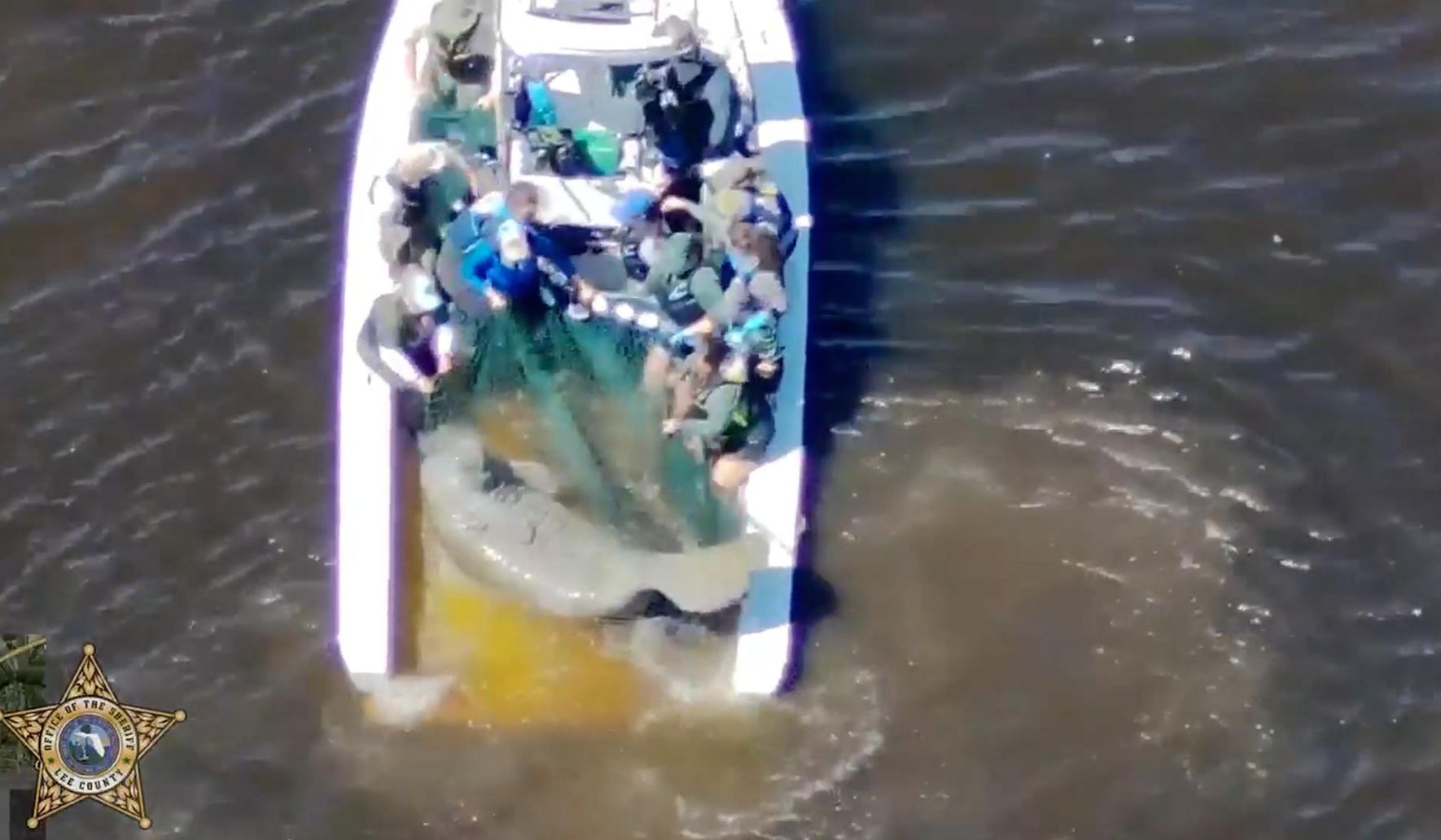
An injured mother manatee and her calf were rescued this week from a river in Florida and taken to SeaWorld Orlando for rehabilitation, officials said. The pair are now under veterinary care while teams assess injuries and plan treatment. Recovery will focus on stabilizing the adults while ensuring the calf receives appropriate nourishment and care.
The rescue teams found an injured adult manatee with a dependent calf in a Florida river, and both were transported to SeaWorld Orlando for rehabilitation, officials said. Vets will evaluate the mother’s wounds and overall health, while also checking the calf for signs of trauma or malnourishment. Getting both animals to a facility quickly improves the odds for effective treatment and long-term survival.
Treating a nursing mother and her calf at the same time adds complexity because care must balance the adult’s medical needs with the calf’s reliance on its mother, whether by nursing or close companionship. Medical staff typically prioritize stabilizing the adult so it can care for the young, while providing supplemental feeding or close monitoring of the calf if separation is necessary for treatment. Rehabilitation facilities like SeaWorld Orlando are set up to handle those dual needs with separate but coordinated protocols for adults and calves.
SeaWorld Orlando has infrastructure designed for marine mammal care, including dedicated pools, medical equipment, and teams experienced in wildlife rehabilitation and veterinary medicine. That environment allows staff to control water temperature, administer IV fluids and medications, and perform wound care in a controlled setting. While each case is unique, those resources give rescuers a much better chance to treat injuries and monitor recovery without the stresses animals face in the wild.
Manatees are vulnerable to a handful of common threats that often put them in rescue situations, including boat strikes that cause blunt force trauma, entanglement in fishing gear or debris that leads to lacerations or restricted movement, and environmental stressors such as cold snaps or poor water quality. Injuries from those causes can range from superficial cuts to deep wounds and internal damage that require long-term care. Understanding the likely sources of harm helps veterinarians anticipate complications and design appropriate treatment plans.
For the calf, the immediate priorities are ensuring hydration, nutrition, and safe social contact, because young manatees depend heavily on their mothers for milk and learning how to forage. If the calf cannot nurse while the mother is undergoing intensive treatment, staff may provide formula and closely monitor weight, hydration, and behavior until the pair can be reunited. Rehabilitation often includes gradual reconditioning so both animals can build strength, recover normal feeding habits, and prepare for eventual release if that outcome is feasible.
Decisions about release depend on thorough medical assessments, behavioral observations, and the animals’ ability to thrive in natural conditions without human intervention. Some rehab patients return to the wild after meeting health and behavioral milestones, while others require longer care or placement in facilities if full recovery and survival in the wild are unlikely. Post-release monitoring, when possible, helps inform future rescue and rehabilitation work by tracking how animals fare after returning to their habitat.
Rescue and rehabilitation events like this one offer a snapshot of the broader efforts required to protect vulnerable species and address the threats they face in coastal and inland waterways. Successful outcomes hinge on prompt response, coordinated veterinary care, and facilities equipped to handle both adult and juvenile needs simultaneously. The current case at SeaWorld Orlando will follow those established steps as staff work to stabilize and rehabilitate the mother and her calf, officials said.

