

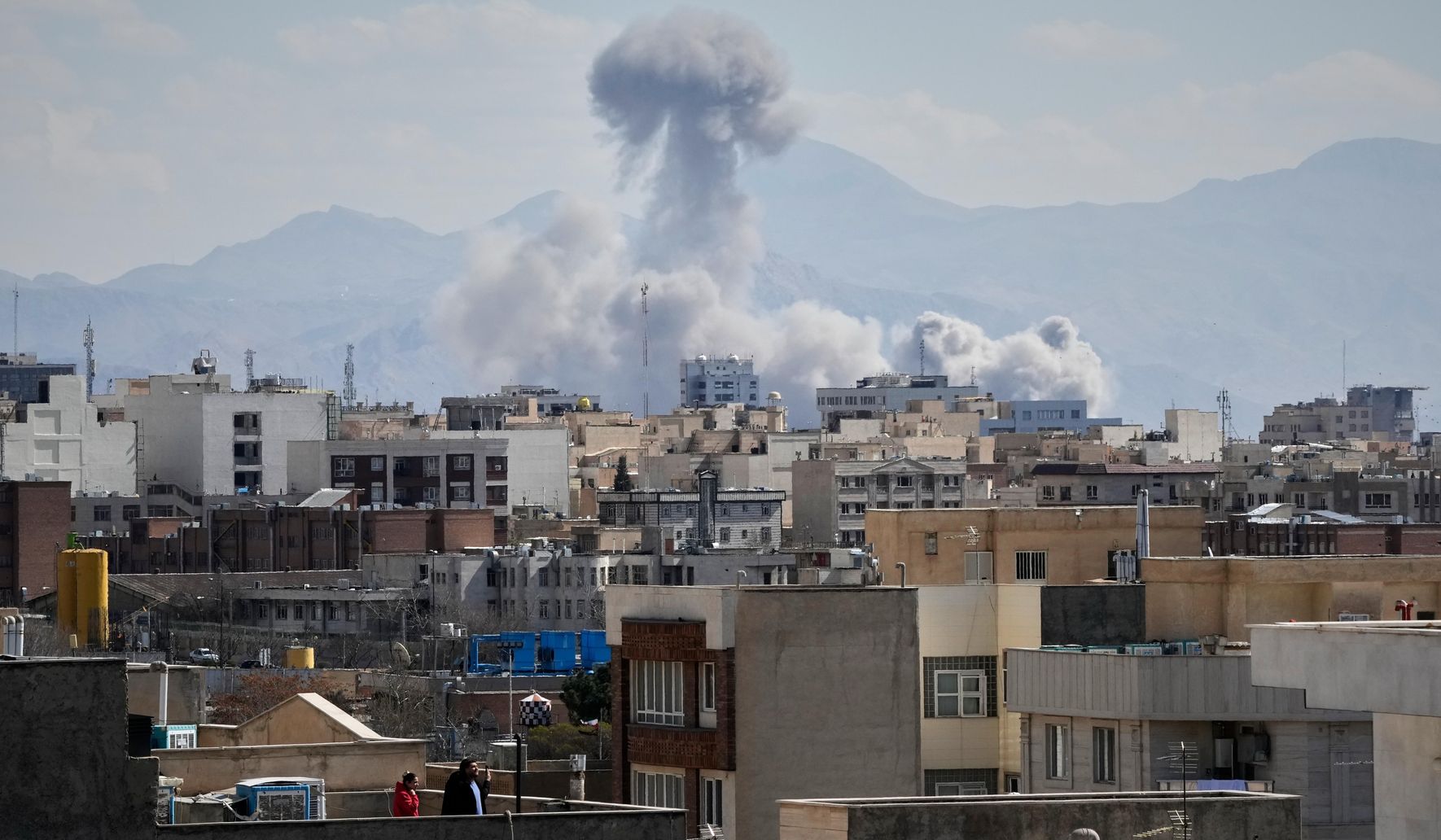
The Iran soccer federation president says he is unsure whether the national team can safely play World Cup matches in the United States after a surprise U.S. and Israeli bombardment of Iran, raising fresh questions about security, diplomacy, and the place of sport amid escalating tensions.
The announcement from Tehran’s football leadership landed in the middle of fast-moving geopolitical developments, and it underlines how quickly politics can spill onto the pitch. Organizers, federations, and fans are now left to weigh safety, travel logistics, and diplomatic fallout. For a global tournament, uncertainty of this kind is disruptive and costly.
The safety of players, staff, and traveling supporters has to be front and center when a conflict touches down near an international event. Governments who host or police these fixtures must be honest about risks, and sports bodies must demand clear guarantees. No one wants athletes put at physical risk or caught up in bureaucratic or security headaches while attending a World Cup match.
From a Republican point of view, the U.S. response to hostile acts must be firm and unapologetic, and that posture affects practical decisions like visas and match arrangements. If Tehran’s actions create credible threats, American authorities owe it to the public to act on security intelligence, not to promise access out of political softness. That reality can mean matches get moved, delayed, or held under extra security conditions.
FIFA and other governing bodies face a hard choice between preserving the integrity of the tournament and acknowledging geopolitical realities. Sport claims to rise above politics, but when a nation’s military posture endangers players or fans, organizers cannot pretend neutrality will shield people. The federation will have to balance fairness with responsibility, and that balance is never simple.
Iran’s soccer federation leader expressing doubt about travel to the U.S. also signals domestic political pressure inside Tehran. The regime’s messaging often ties sporting decisions to national pride and security, and that linkage can force administrators into public postures that echo state priorities. When national authorities conflate sports and strategic messaging, international competitions suffer the consequences.
American fans and expatriate communities watch events like the World Cup with intense passion and they will notice if teams suddenly withdraw or if matches move to neutral venues. Those shifts hit ticket holders, broadcasters, and local economies, and they erode confidence in organizers. The ripple effects are real money and diminished goodwill toward those who manage the game.
Practical steps will likely follow: security assessments, diplomatic conversations, and contingency planning for neutral-host stadiums or closed-door fixtures. Those preparations are not about being alarmist, they are about being ready. In past incidents around the world, sensible contingency work prevented chaos and protected lives without turning the tournament into a political spectacle.
Meanwhile, the Iranian squad and its players find themselves caught between national expectations and personal careers. Many athletes train for a lifetime for a moment on football’s biggest stage, and uncertainty over participation threatens those dreams. Sports governing bodies must consider the athletes’ welfare and competitive fairness when sorting through options.
What happens next will depend on clear, candid assessments by security officials and decisive action by sports authorities. If risk levels remain high, relocation or scheduling changes will be inevitable and appropriate. Fans, governments, and federations all stand to lose if organizers pretend the situation is business as usual when it is not.
The broader lesson is that modern sport operates inside a world where state actions can instantly alter plans and expectations. Organizers must be pragmatic and firm, and democratic governments should ensure safety without capitulating to intimidation. At the same time, athletes and supporters deserve transparent answers and swift planning to minimize disruption to the competition they love.

