

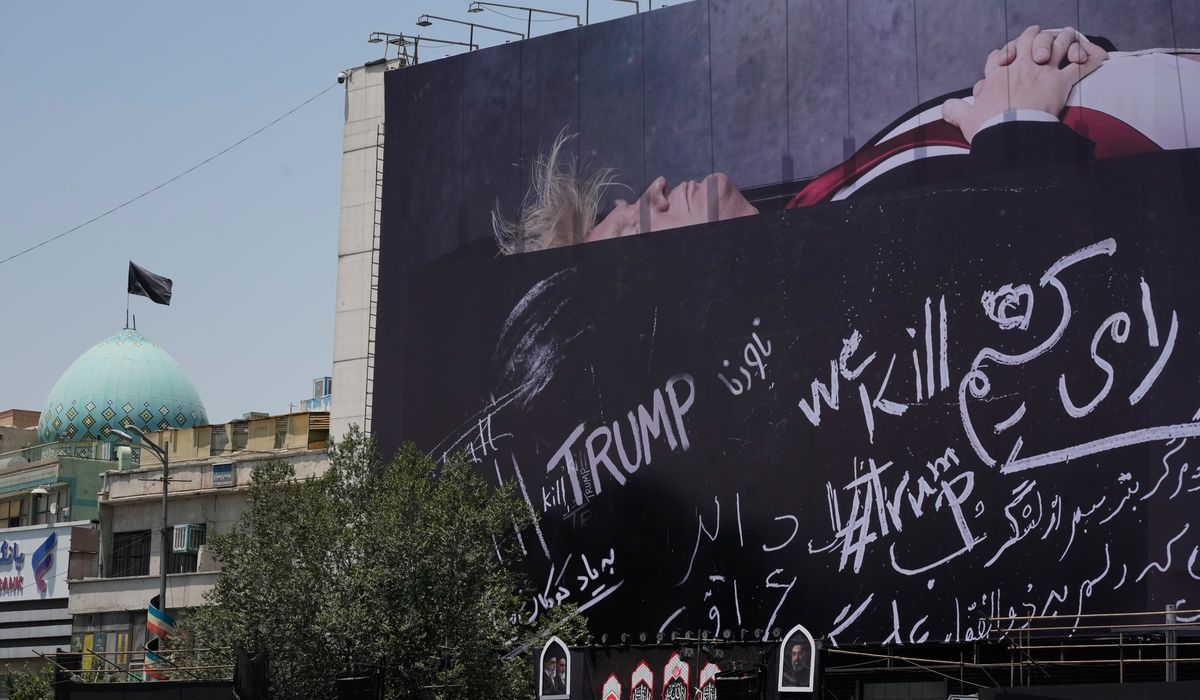
Iran warned the U.S. on Thursday that it would reduce Persian Gulf region buildings to “rubble” if American forces attack its domestic infrastructure, a threat that raises the stakes for U.S. posture and regional security.
The Iranian statement was blunt and public, aimed as much at signaling to regional capitals as at Washington. Officials framed the warning as a deterrent against any U.S. strikes on Iran’s infrastructure, making clear the potential for rapid escalation. That kind of rhetoric changes calculations for U.S. commanders and allies who track risks to bases, shipping lanes, and partner facilities across the Gulf.
From a Republican perspective, words like these underline why deterrence must be credible and visible. If adversaries believe the United States will back down to threats, the risk of miscalculation grows and American forces and interests become more vulnerable. Elected leaders should weigh restraint with demonstrated capabilities so potential attackers understand the price of striking U.S. assets.
The Persian Gulf hosts major sea lines of communication and critical energy infrastructure, which makes it a strategic pressure point. Any action that threatens ports, terminals, or military installations would ripple through global markets and regional stability. Tehran’s warning tries to use that vulnerability as leverage, betting the threat of damage will deter direct U.S. military responses.
At the same time, the U.S. has to account for Iran’s network of proxies and missile forces that can strike across the region. Defending forward assets requires intelligence, air defense, and prepositioned forces ready to deter or respond. Policymakers must balance avoiding needless escalation with not rewarding coercion that endangers servicemembers and partners.
Republican strategy thinking tends to favor posture that signals resolve: stronger defenses, force protection, and clearer red lines. Those steps reduce the chance Tehran’s threats can be carried out successfully while maintaining room for diplomatic pressure. The goal is to make any contemplated Iranian strike costly and unattractive without inviting a broader conflagration.
Sanctions and economic measures remain part of the toolkit, but they work alongside military deterrence rather than replacing it. Tehran’s calculus includes whether domestic infrastructure is actually vulnerable and whether allied states will shelter American operations. Coordinating with Gulf partners to harden facilities and share intelligence complicates Iran’s ability to translate rhetoric into effective action.
Public warnings from Iran also serve internal politics, allowing its leaders to posture tough to a domestic audience while testing international reactions. Observers should watch whether the rhetoric is followed by operational changes, like redeployments or attacks on shipping and bases. Distinguishing bluster from intent is essential for measured, responsible responses that protect U.S. interests.
In practical terms, the U.S. military can reinforce defenses, increase surveillance, and reassure partners to reduce vulnerability in the short term. Diplomacy can simultaneously narrow the range of misunderstandings that lead to clashes, but it must be backed by clear military readiness. The current moment is a reminder that deterrence requires both words and credible actions to prevent threats from becoming reality.

