

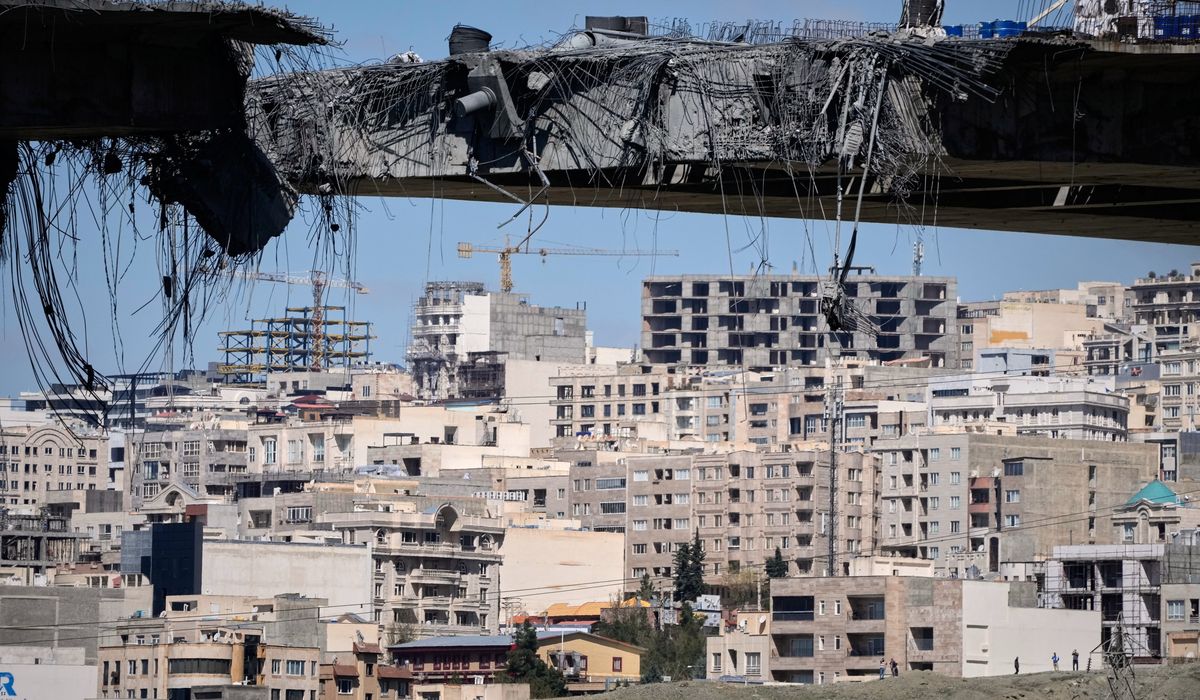
A local channel of Iranian state television said Friday that a U.S. fighter pilot ejected from their aircraft over southwestern Iran. The U.S. did not respond immediately to requests for comment.
The initial report came through Iranian state media, which said a U.S. fighter pilot ejected over southwestern Iran. That account set off immediate concern in Washington and among allied capitals because the details were thin and the claim was unilateral. State-controlled outlets can be first to publish on events inside Iran, but their reports often mix confirmed facts with political framing. The lack of independent confirmation kept the story in a tentative zone of fact and speculation.
The apparent silence from U.S. officials only intensified scrutiny, especially from Republican voices who expect rapid, public clarity on incidents involving American service members. When the U.S. did not respond immediately to requests for comment, critics saw a failure of messaging and a missed chance to shape the narrative. Swift, factual updates are a basic element of deterrence and reassurance, and any gap invites confusion. That vacuum is what adversaries and anxious allies exploit.
One immediate concern is the safety and status of the pilot in question, but public information remains limited. Military procedures for downed aircrew typically include search and rescue, verification of status, and secure lines of communication, yet none of those steps were visible in early reporting. Without on-the-ground confirmation, every claim about recovery or capture is speculative. Families, commanders, and the American public all deserve clarity and timely facts.
Beyond the human element, the incident raises larger strategic questions about operations near Iranian-controlled airspace. Accidents happen in complex flight environments, but a pilot ejecting over Iranian territory would escalate diplomatic pressure and demand a clear U.S. posture. From a Republican standpoint, ambiguous responses only encourage adversaries who test American resolve. The pattern of delayed statements can be read as weakness, and weakness invites more provocations.
Iranian state television serves both domestic and international messaging purposes, and its reports can be weaponized as part of a broader political strategy. Tehran benefits when Washington appears reactive and uncertain, because that narrative bolsters Iran’s regional standing. Republicans argue the administration should not cede the information space to an adversary’s media organs. Instead, the U.S. must be proactive with facts it can verify and firm in its public stance.
There are also legal and operational layers to consider. If an American airman is confirmed downed in Iranian territory, establishing safe recovery involves negotiations, clear rules of engagement, and possible third-party intermediaries. Congressional oversight and military command structures would both kick into gear, demanding timely briefings and options. Republicans typically press for stronger deterrent measures and credible consequences to prevent future incidents, insisting that vague statements and delayed responses do not protect service members.
The international dimension matters, too, because allies watch how the U.S. handles crises. A transparent, decisive approach reassures partners and maintains coalition cohesion. Conversely, silence or hedging strains relationships and complicates joint operations in the region. Republican policymakers often stress the connection between clear policy, reliable intelligence sharing, and robust support to allies to prevent miscalculation by adversaries.
Finally, the domestic political fallout from such incidents can be intense, especially when immediate answers are not provided. Lawmakers and the public press for accountability and a strategy that keeps Americans safe and deters bad actors. Republicans will likely push for hearings, clear timelines, and an assertive strategy that signals consequences to Iran for actions that endanger U.S. personnel. That push will shape the next phase of the story as officials sort through facts, options, and the diplomatic cost of any next move.

