

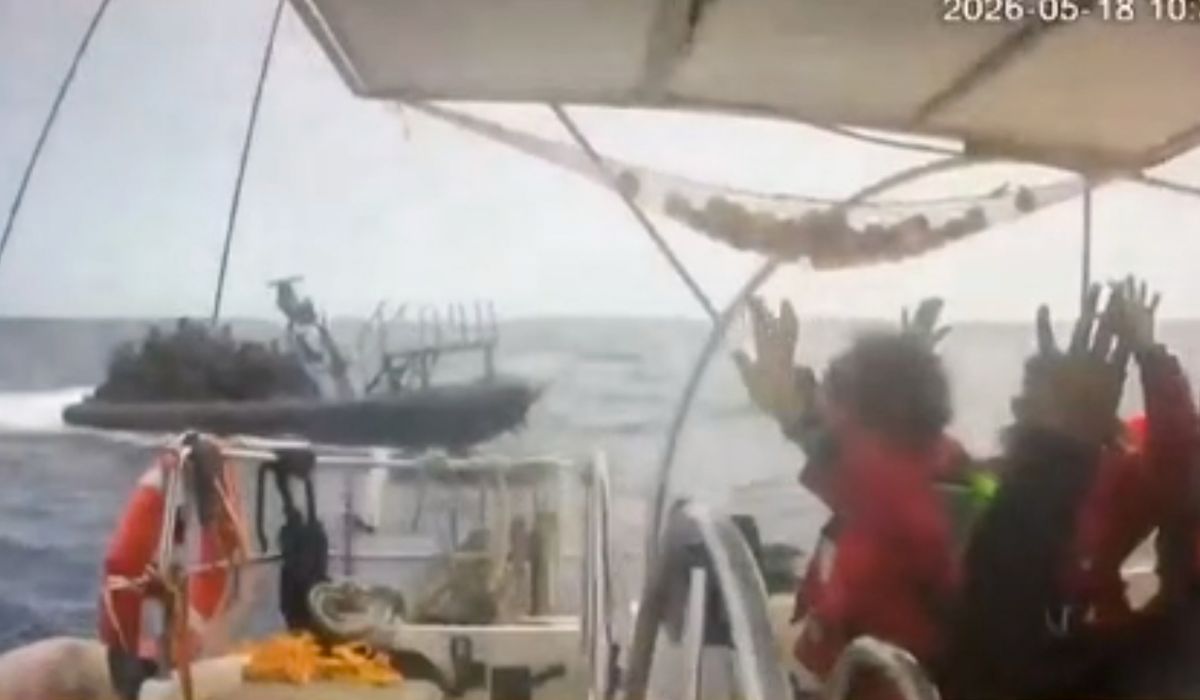
Israel’s navy stopped boats near Cyprus in the latest attempt to breach its Gaza naval blockade, an episode that raises questions about maritime enforcement, activism and regional security.
Israel’s military intercepted boats off the coast of Cyprus on Monday, part of the latest wave of flotilla activists attempting to break Israel’s naval blockade of Gaza. The straight facts are simple: a group tried to reach Gaza by sea and Israel’s navy stopped them before they could approach the coastline. This is not a new tactic; flotillas have tested the blockade for years, and each run produces familiar headlines and diplomatic noise.
From a security-first Republican viewpoint, the blockade exists for clear reasons and should be respected. The goal has been to keep weapons and materials that could harm civilians out of Gaza, and that objective matters to Israel and to allies who value predictable defense measures. Activists who try to breach a lawful blockade are taking calculated risks and forcing militaries to make split-second decisions.
There is a legal framework around naval blockades that matters here. A blockade declared and enforced during conflict is recognized under international law if it is applied impartially and publicly announced, and if neutral shipping is treated fairly. Enforcement actions at sea are tense and dangerous, and everyone involved should expect that navies will assert control over approaches they consider a security threat.
Beyond legality, the practical dangers are real. Boats at sea can be unpredictable in rough weather, and attempts to force a passage can escalate into violence or accidents that put civilians at risk. That risk is magnified when organizers aim for confrontation rather than coordination, turning what might be a humanitarian gesture into a provocative challenge. Governments have to balance humanitarian impulses with responsibility for citizen safety and regional stability.
Politically, these flotillas also serve as messaging campaigns, designed to draw global attention and embarrass Israel on the diplomatic stage. For many in the Republican camp, that messaging overlooks the underlying security context and the history of attacks from Gaza. The optics may pressure governments to criticize Israel, but the facts at sea are not just about images; they’re about the tools and materiel that can flow through ports and coastlines.
For Western allies, including the United States, incidents like this present a dilemma: condemn violence while supporting Israel’s right to self-defense. Republicans tend to favor a firm stance that backs Israel’s measures to protect its citizens and prevent weapons smuggling. That stance emphasizes consistent enforcement of blockades and cooperation on intelligence and maritime security rather than symbolic protests that risk escalation.
Organizers of such flotillas often claim humanitarian motives, and those claims deserve scrutiny. Aid to civilians should be delivered through secure, agreed channels to ensure it reaches the intended recipients and doesn’t inadvertently empower militant groups. Humanitarian operations that bypass inspections create vulnerabilities that adversaries can exploit, and responsible aid delivery must prioritize verification and accountability.
At the same time, the international community should push for more transparent mechanisms that allow legitimate aid while safeguarding security. That could mean better-managed seaborne corridors, coordinated inspections, and third-party monitoring to reduce political friction. Constructive alternatives reduce the incentive for dangerous confrontations and protect civilians on all sides.
Meanwhile, media coverage will spin this incident into competing narratives, with activists framing it as suppression and supporters calling it necessary defense. Readers should note the core detail: a flotilla tried to reach Gaza by sea and was stopped before reaching the shore. The rest is interpretation, but the practical consequences for maritime law and regional calm are what matter beyond the headlines.
Expect more of these episodes until reliable, verifiable channels for aid and maritime traffic are established and respected. In the current environment, enforcement is inevitable and the pressure will remain on policymakers to choose pragmatic, secure paths forward rather than theatrical showmanship at sea.

