

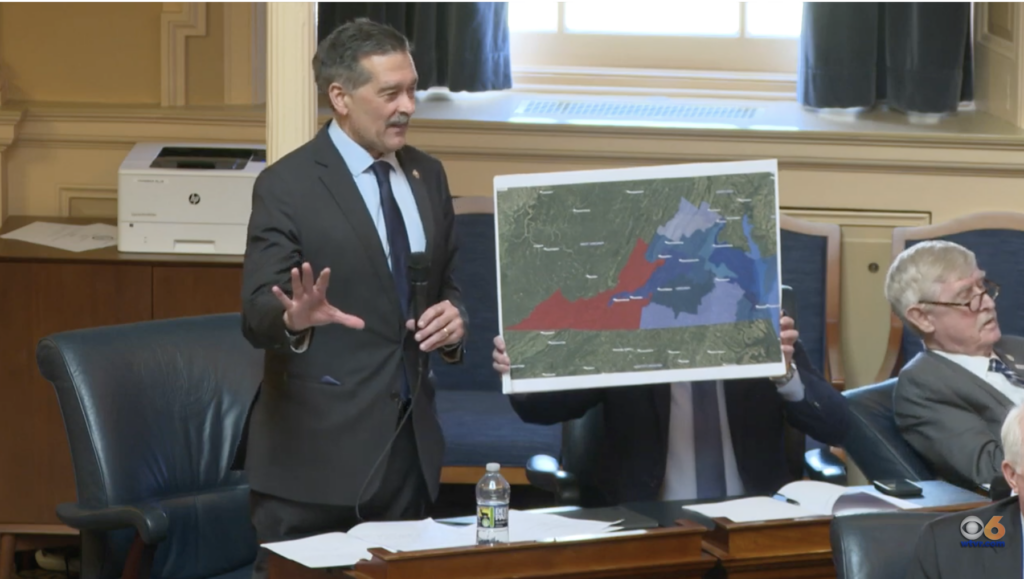
A messy fight over California’s redistricting maps has left voters and lawmakers arguing about fairness, process, and who gets to call the final shots when independently drawn maps are set aside.
The situation grew tense when one lawmaker put the moment into words that cut to the point: ‘It brings me no joy to see the maps that we passed fairly by the Commission to be tossed aside,’ said Sara Sadhwani, California Democrat. That line captured both frustration and a sense of procedural wrong, because the maps in question were produced through a citizen-led process meant to be impartial. For those watching, the dispute raises core questions about how much power elected officials should have to override nonpartisan work.
The underlying tension centers on trust in institutions that handle redistricting, specifically a commission created to draw lines based on input and clear criteria. Supporters of the commission argue its work restores some sanity to a system long dominated by backroom deals and incumbent protection. Critics, including many Republicans, say the recent reversal shows the process is fragile and can be steamrolled when political pressure mounts.
From a Republican perspective, the key concern is accountability and adherence to the rule of law rather than who wins and loses this round. If maps that passed a transparent commission are discarded without a strong, documented reason, that looks like politics triumphing over process. Republicans point out that consistency matters for voters, candidates, and the legitimacy of elections.
When maps get tossed aside midstream, the fallout is practical as well as political: voters face confusion about which districts they live in, campaigns scramble to reorganize, and local officials operate in uncertainty. Those consequences don’t happen in a vacuum; they affect turnout, representation, and how resources are allocated. That is why a single decision to override a commission can ripple through an entire election cycle.
Republicans emphasize the need for clear standards and public records to explain why an independent map would be set aside, insisting that transparency is the remedy for suspicion. Detailed explanations, hearings that are open to the public, and a recorded rationale that can withstand legal review would go a long way toward calming doubts. Without those steps, every change looks like a partisan tweak rather than a legitimate correction.
Stability in district maps is not a luxury; it is a foundation for predictable governance and fair competition. When maps are stable, candidates and voters can plan, civic groups can educate, and courts are less likely to be dragged into endless disputes. Republican lawmakers often argue that predictable rules and clean processes reduce incentives for extreme partisan behavior on both sides.
There is also a political reality here: both parties will naturally press for advantages when maps are redrawn, and skepticism follows any abrupt decision that benefits one side. Republicans say the answer is not to cut deals but to reinforce guardrails that make map changes rare and well-justified. That means relying on evidence, adhering to statutes, and preserving the integrity of nonpartisan institutions.
Legal options exist and will likely be tested, but legal fights are costly and slow and do not always restore public trust. Republicans tend to push for administrative fixes first, like stricter criteria for when a commission’s work can be rejected and better record-keeping that makes any decision defensible. If those fixes are ignored, the courts become the fallback, and that drags out uncertainty even more.
Moving forward, observers expect continued scrutiny of how decisions were made and who benefited from them, with Republicans focused on procedural fairness and enforceable standards. The dispute over these maps is a reminder that reform only works if its rules are honored and its processes are respected. The debate will continue in hearings, in public forums, and possibly in court, with trust and transparency squarely on the line.

