

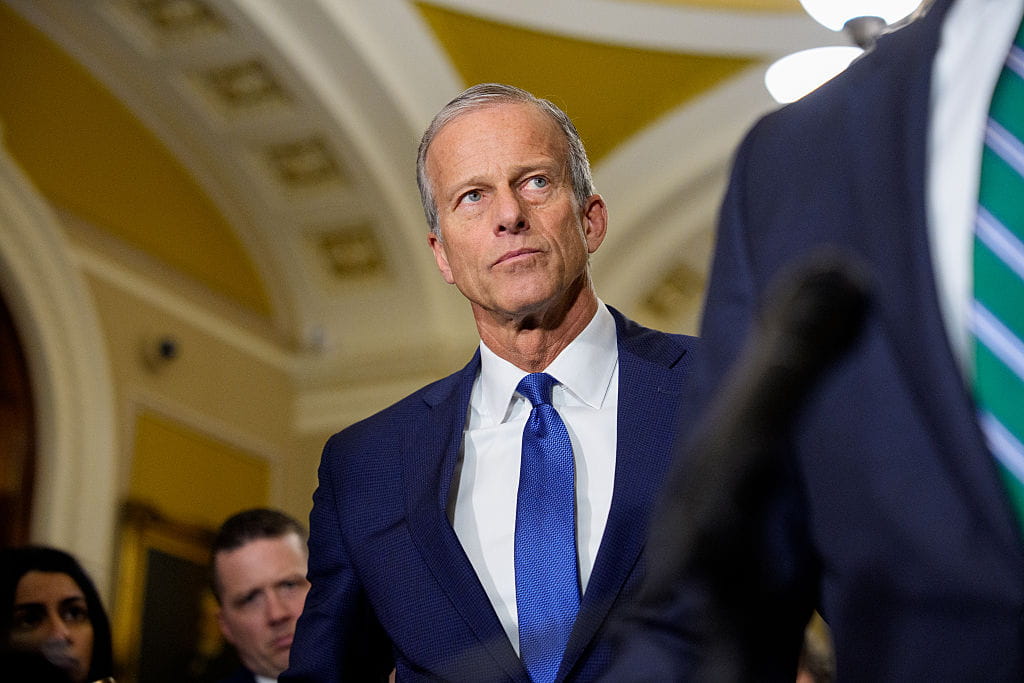
Senate Majority Leader John Thune moved a procedural vote on March 17 to start the long path toward a vote on the SAVE America Act, a bill that would make proof of citizenship and photo ID standard for voter registration and casting ballots.
On March 17, Senate Majority Leader John Thune (R-SD) opened what is likely to be a lengthy process with a simple procedural vote to advance the SAVE America Act. That first step does not guarantee passage, but it sets the chamber on a clear timeline to debate the bill’s provisions. Supporters framed the move as restoring basic trust in the system.
The SAVE America Act would require proof of citizenship and identification for registration and for voting, creating a federal baseline for those checks. Under the proposal, registrations without acceptable documentation could be flagged or blocked pending verification, and election officials would be expected to follow a standardized verification process. The policy changes aim to tighten those entry points into the voter rolls.
Republicans argue the measure is straightforward, practical, and long overdue, saying voters deserve confidence that only eligible citizens are on the rolls and participating on Election Day. The emphasis is on clear, uniform rules so states don’t drift into inconsistent practices that erode faith in outcomes. For many conservatives, election integrity is not partisan talk but the foundation of representative government.
Critics counter that the bill could create unnecessary obstacles for eligible voters who lack ready access to documents like birth certificates or passports. Opponents warn the changes could disproportionately affect economically disadvantaged communities and some minority groups who face higher barriers to obtaining ID. They also point to the risk of litigation over federal versus state authority on election administration.
Implementation would rest largely with state and local officials, but federal standards would shape how that work gets done across the country. Practical matters include how states validate citizenship claims, how provisional ballots are handled when proof is delayed, and how registries are updated after verification. Those details will be central in the coming debates and amendments on the Senate floor.
A procedural vote simply clears the way for debate and does not resolve how contentious provisions will be written or enforced. Expect amendment fights and political bargaining as senators try to shape the final language. The process can be long and technical, with stakeholders from state election administrators to civil rights groups weighing in at every stage.
Supporters emphasize the need for verifiable registration records and routine audits that keep rolls accurate, while proposing clear penalties for fraud and misuse. They argue that modest, enforceable ID and citizenship checks are a common-sense guardrail, not a suppression tactic. The pitch is to balance access with accountability so elections are both inclusive and secure.
Opponents worry the bill prioritizes paperwork over participation, and that it could shift burdens onto voters rather than solving administrative gaps. Legal challenges are likely if the measure becomes law, particularly around equal protection and federalism claims. Those fights will shape not just the law but how election policy is framed in the months before the next major election cycle.
As the Senate moves forward, observers will watch how amendments change enforcement language, what verification forms qualify, and whether Congress provides resources to help states comply. The coming floor debate will be a test of whether lawmakers can write a national baseline that conservatives see as strengthening elections while addressing concerns about access. The stakes are high for both trust in the process and practical administration on the ground.

