

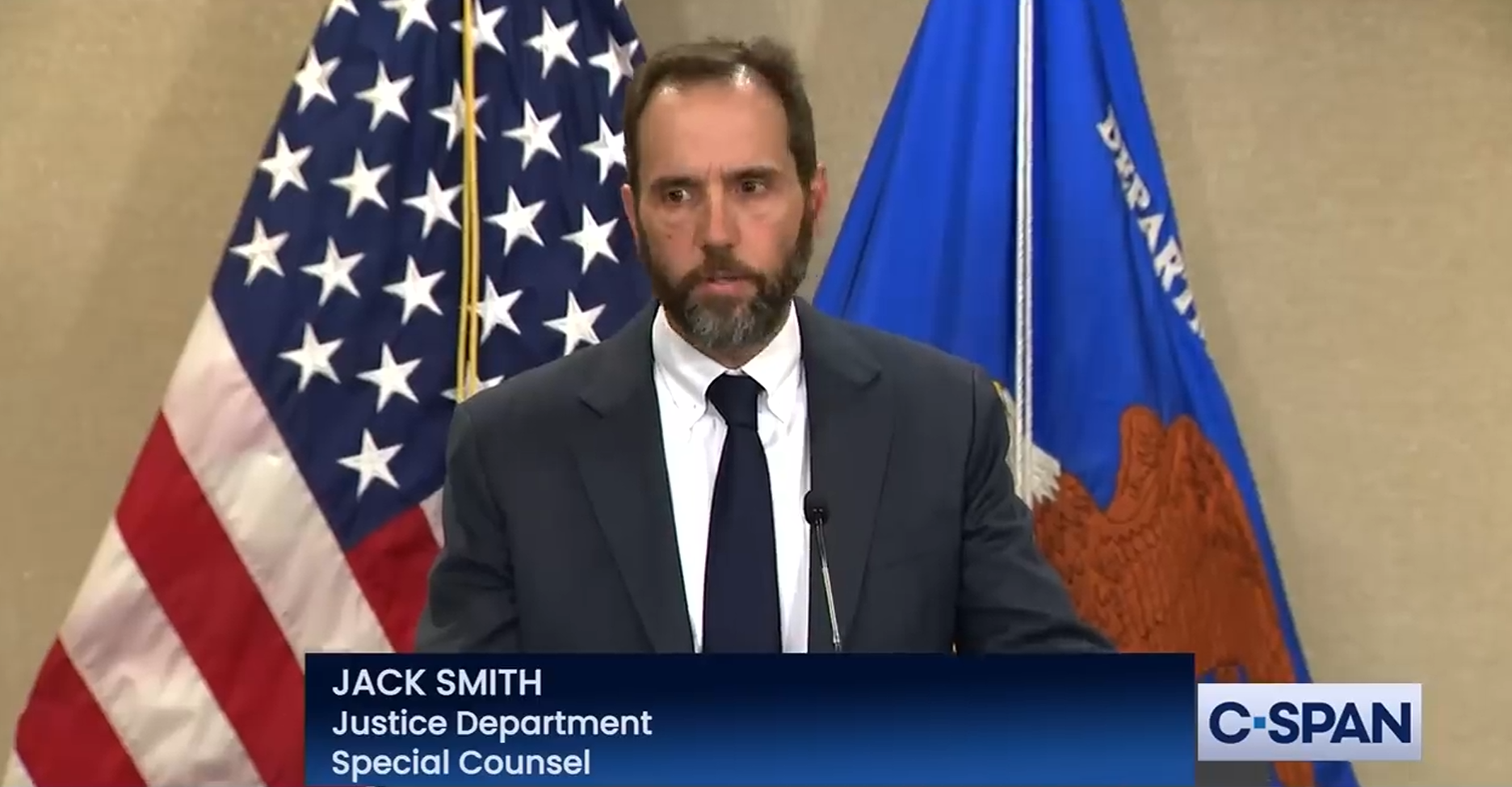
Republican oversight officials moved quickly to secure testimony and records from a former special counsel, setting clear dates and pressing for answers about prosecutorial choices and document preservation.
The move is framed as straightforward congressional oversight: get testimony, collect documents, and let the facts speak. Lawmakers say they need a complete record to evaluate whether prosecutorial decisions were fair and consistent. That determination will shape future policy and public trust in the rule of law.
Jordan’s letter demanded Smith appear to testify on Dec. 17, and instructed the former special counsel to turn over documents by Dec. 12. Republicans argue those dates are reasonable given the committee’s schedule and the public interest in clarity. The deadlines are meant to prevent delay and ensure the committee can review materials before testimony.
Members pushing for testimony say this is not personal, it is about principle: accountability for powerful officials is a core congressional duty. They emphasize that no one is above scrutiny, and that transparent answers from former prosecutors are part of restoring confidence. Republicans also note that timely document production helps avoid guessing games and media spin.
Critics on the other side have pitched the request as political or punitive, but supporters point out that oversight is routine and necessary regardless of who held office. The committee intends to focus its questions on decisionmaking, evidence handling, and any deviations from established guidelines. Those lines of inquiry are framed as practical and targeted, not theatrical.
Logistics matter here: document lists, privilege assertions, and scheduling need to be resolved before testimony day arrives. The committee expects a cooperation plan so depositions and document reviews do not get bogged down in last-minute disputes. Republicans argue that a cooperative approach will protect legitimate privileges while still making relevant information available.
There is also interest in how charges were prioritized and whether standard prosecutorial thresholds were applied consistently. Members are asking whether internal memos, charging recommendations, or other materials exist that explain the rationale behind specific decisions. The goal is to trace the paper trail from investigation to charging choices without speculating about motives.
Transparency proponents insist that public confidence depends on consistent standards and visible accountability. When decisionmakers explain their processes and produce contemporaneous records, it helps the public assess whether outcomes were guided by law or politics. Republicans frame this as protecting the impartial administration of justice for everyone.
While the committee prepares its questions, staff will be reviewing produced materials for privilege claims and relevance. That review will shape the hearing’s scope and the exact line of inquiry on Dec. 17. Republicans say careful, document-driven questioning will avoid theatrics and keep the focus on facts and process.
For now, attention is on compliance with the Dec. 12 document deadline and the Dec. 17 testimony date, with expectations of a structured, fact-focused exchange if cooperation occurs. Lawmakers emphasize that the process itself, with clear dates and defined requests, is intended to cut through ambiguity. The coming days will show whether that approach yields the records and answers the committee seeks.

