

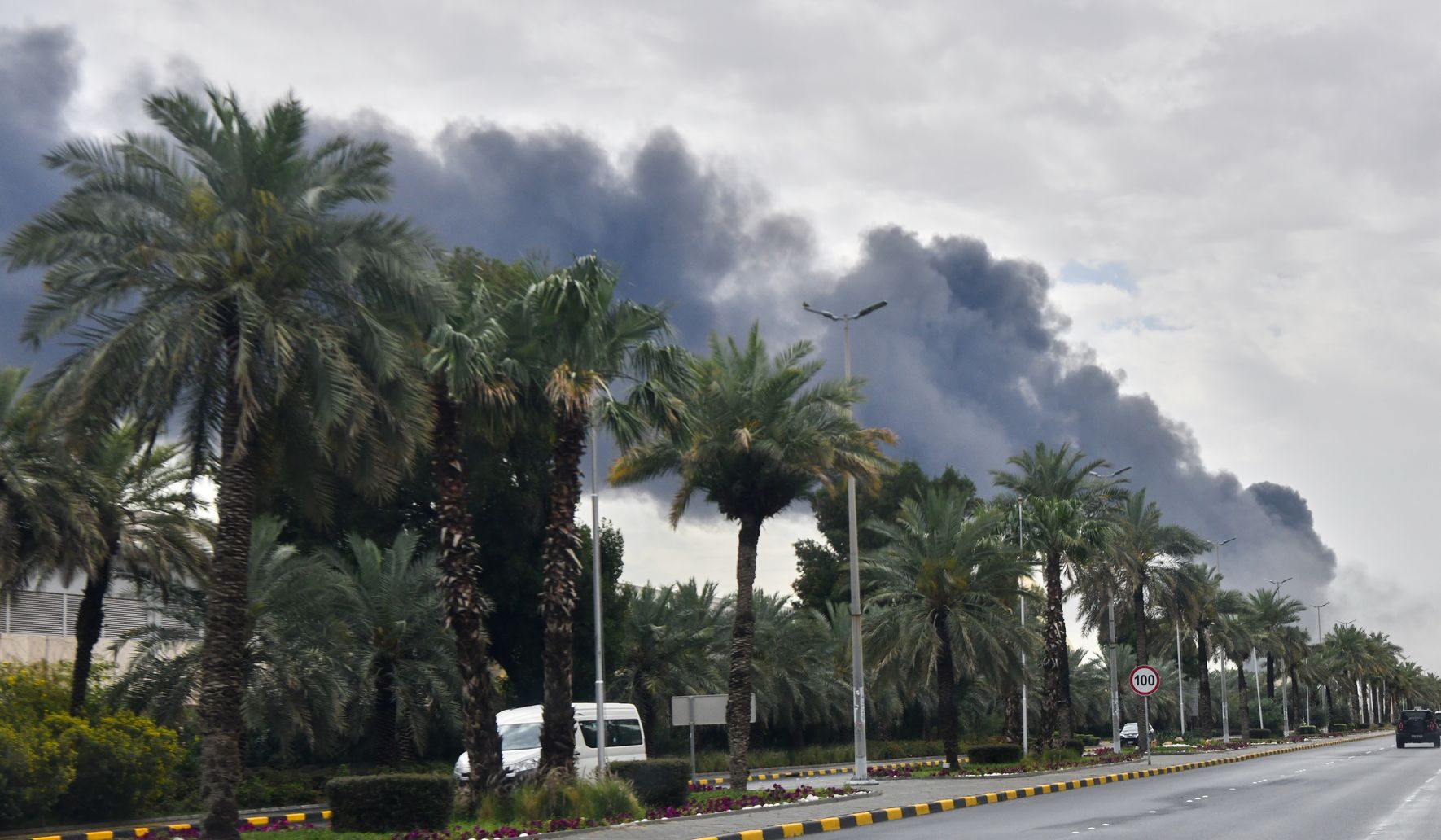
Kuwait halted flights at its main airport after what officials described as Iranian missile and drone strikes that hit Terminal 1, causing heavy damage and disrupting travel and commerce across the region.
Kuwait suspended flight operations Wednesday at Kuwait International Airport following what it called Iranian missile and drone attacks targeting Terminal 1 that inflicted substantial damage. The abrupt halt left passengers stranded, aircraft grounded, and airport staff scrambling to secure terminals and assess structural risks. Authorities moved quickly to control the scene while emergency teams evaluated the extent of wreckage and the risk of unexploded ordnance.
The damage to Terminal 1 is not just a local problem; airports are critical civilian infrastructure and any strike that reaches a passenger terminal crosses a line. Flights in and out of Kuwait are a lifeline for commerce, labor movement, and regional ties, so the immediate economic ripple is already clear. Even temporary closures mean canceled business, delayed shipments, and families separated at a time when stability matters most.
Officials described the weapons involved as a combination of missiles and drones, a tactic that has become increasingly common in the region. That mix complicates air defense and intelligence efforts because drones can swarm and missiles can carry enough force to ruin facilities. Civilian airports were not designed to be battlefields, and the attackers’ choice of target shows a willingness to accept civilian harm for political signaling.
This incident lands against a backdrop of long-standing tensions between Iran and its neighbors. Whether the strikes were intended as retaliation, escalation, or a message to other regional players, their effect is the same: greater instability for innocent people. Regional governments now face the challenge of responding in ways that restore deterrence without dragging the region into wider conflict.
Kuwait’s emergency response has been focused on immediate safety and restoring essential services, a practical approach that puts people first. Airports must be cleared, runway integrity checked, and passenger manifests reconciled before operations can responsibly resume. That work takes time, and authorities will be judged on both speed and thoroughness as travelers and trade demand answers.
For allies watching this unfold, the test is whether deterrence mechanisms still hold and whether coalition partners can reassure Gulf states. A restrained but clear posture sends the message that attacks on civilian infrastructure carry consequences. From a Republican viewpoint, strength and clarity in defense posture matter: ambiguity invites further risk, while credible deterrence reduces the chance that civilians pay the price.
Information on casualties and the precise technical details of the damage remains limited as investigators comb the scene, review security footage, and sift through wreckage. Eyewitness accounts describe chaotic evacuations, emergency workers hauling debris, and passengers seeking shelter in terminal halls. Transparent reporting and timely updates from officials will be important to avoid misinformation and to keep families informed.
The economic fallout will be measured not just in canceled flights but in interrupted supply chains and delayed energy and cargo movements that ripple across markets. Gulf logistics hubs are interconnected, and a disruption in Kuwait affects ports, transits, and regional airlines. Insurance claims and reconstruction costs will follow, and those figures will add to the tally of what this attack has actually cost civilians and businesses.
Diplomatic channels will be active in the coming days as governments seek to understand intent and deter repeat attacks. Conversations in capitals will balance the need for clear consequences with the imperative to prevent escalation into broader warfare. The immediate priority, however, is coverage, care, and recovery for the people directly impacted by the strike on a civilian terminal.
As investigators work and the airport assesses repairs, travelers and businesses will need reliable timelines and reassurances that safety protocols are upgraded. Rebuilding confidence after an attack on a major transport hub is a test of both infrastructure resilience and political will. The choices leaders make now will shape whether the Gulf returns quickly to normal or faces a prolonged period of uncertainty and higher risk.

