

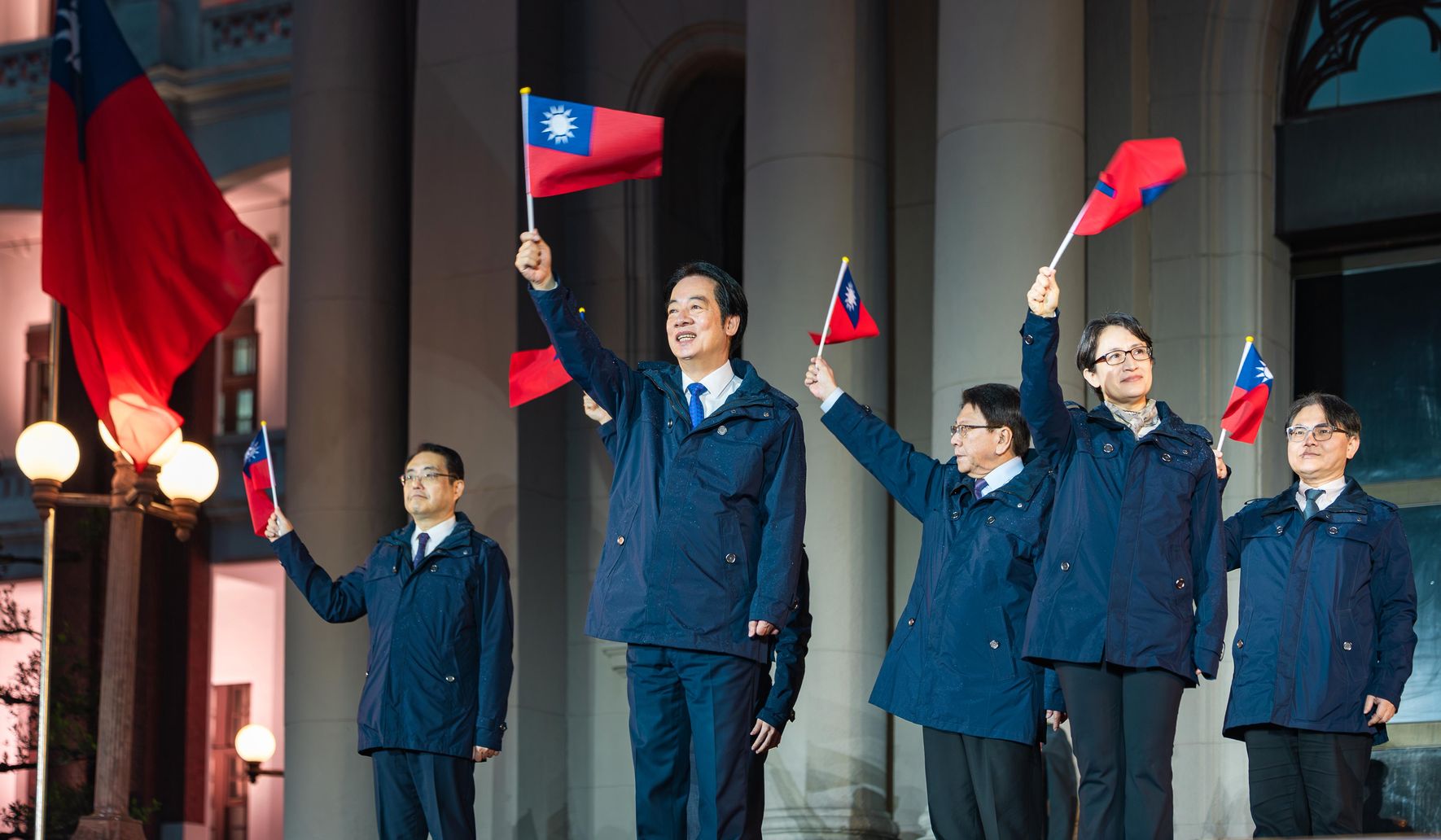
Taiwan’s president publicly vowed to protect the island’s sovereignty after renewed pressure from Beijing, framing the standoff as driven by China’s aggressive posture and regional maneuvering.
Taiwanese President Lai Ching-te made a clear promise to defend the self-ruled island’s sovereignty in the face of China’s “expansionist ambitions,” a remark meant to underline the seriousness of the situation. His statement arrived days after Beijing wrapped up live military drills near Taiwan, which many observers saw as a show of force. The timing put Taipei’s defense posture back in the headlines and forced allies to reassess signals from the region.
President Lai’s language was direct and aimed squarely at deterring further coercion, reflecting a leadership that wants to be seen as resolute rather than conciliatory. That tone aligns with a view that democratic societies must stand firm when rivals test boundaries. For those concerned about freedom and order in the Indo-Pacific, firmness on sovereignty is not rhetorical, it is practical policy.
From a Republican perspective, this is exactly the kind of moment to emphasize credible deterrence and clear commitments to partners. Weak signals invite risky behavior, and Taiwan’s leaders are arguing that deterrence must be both visible and backed by capability. Public vows like Lai’s matter because they shape domestic morale and international perception at the same time.
The drills conducted by Beijing were closely watched for what they revealed about capability, doctrine, and political will. Military exercises send more than a tactical message; they communicate intent and readiness to act under certain conditions. Analysts will parse flight paths, ship movements, and command-post activity to understand whether this was routine signaling or a step toward sharper confrontation.
Taiwan’s response has been twofold: strengthen defensive readiness and reassure civilian populations that leadership is attentive and capable. That reassurance matters in practice because civilian morale affects mobilization, resilience, and the political ability to sustain a response. Lai’s vow functions as both a deterrent and a public commitment to use state resources to protect the island’s democratic system.
International reactions are crucial because the balance in the Taiwan Strait is not just about Taipei and Beijing; it draws in partners across the Pacific and beyond. Strong allies make aggressive actors think twice, and that calculus is familiar to anyone focused on maintaining a rules-based order. The conversation now includes not just military hardware but logistics, intelligence sharing, and political solidarity.
Domestic politics will play a role in how this unfolds, with Taiwan’s leaders navigating public expectations, coalition dynamics, and the need to maintain steady governance. Presenting a calm, competent image while signaling resolve is a delicate balance, especially when outside pressure intensifies. Lai’s statement is meant to set that tone: firm, confident, and unwilling to cede democratic space.
Beyond rhetoric, practical measures will determine whether this posture holds: investment in asymmetric defenses, training for rapid mobilization, and diplomatic work to keep partners aligned. Economic resilience and information security are also part of the equation, because modern contests involve more than ships and planes. For those watching from Washington and friendly capitals, Taiwan’s stance is a test of whether democratic alliances can translate words into deterrent action.
The situation will keep evolving as Beijing and Taipei react to one another and to the wider strategic environment. Expect analysts to continue debating intent versus capability, and policymakers to weigh how best to support Taiwan without escalating tensions unnecessarily. For now, Lai’s vow stands as a clear statement that Taiwan intends to protect its sovereignty and its way of life, even as the regional balance remains fragile.

