

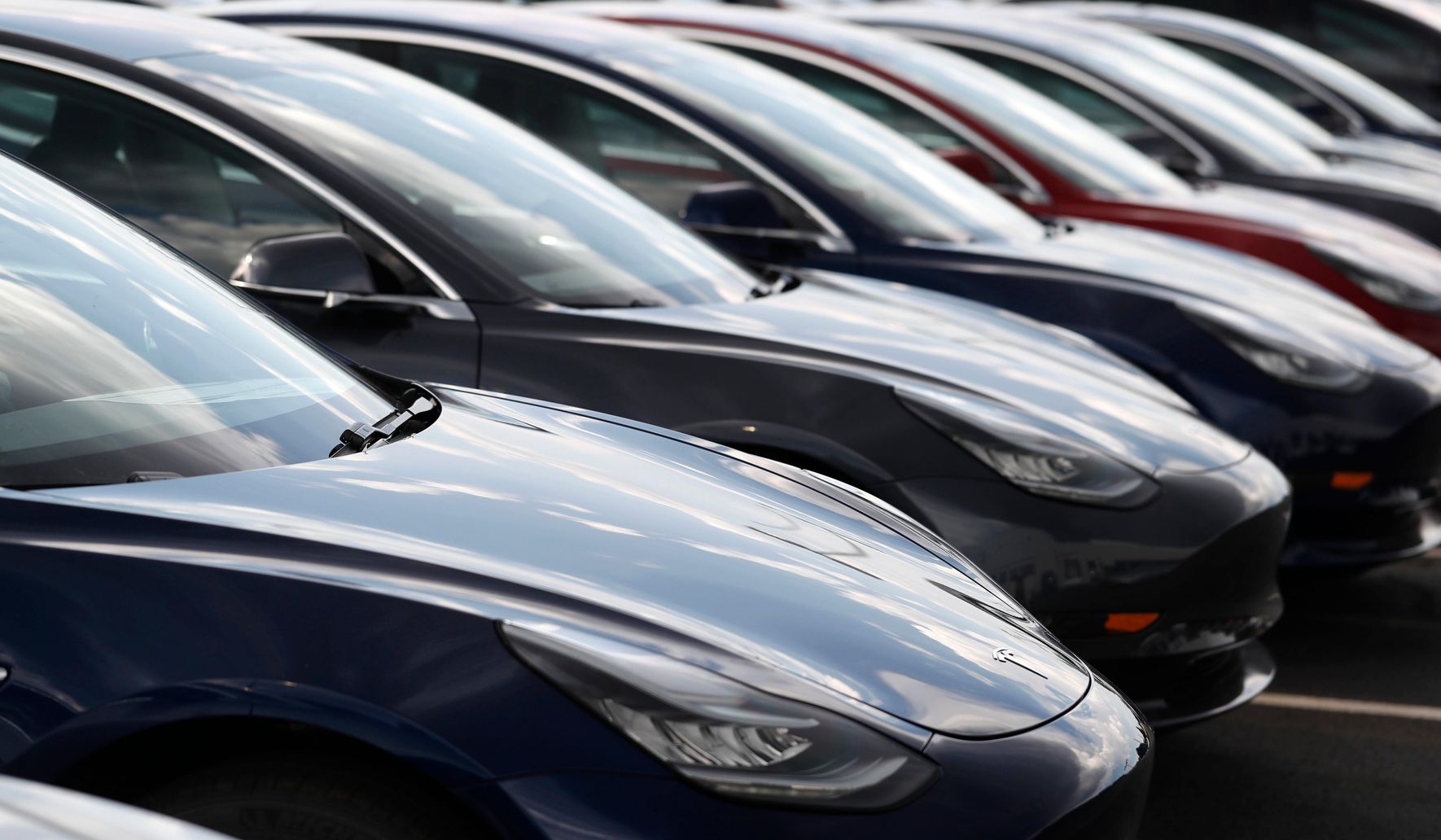
Design problems in a Tesla Model 3 are at the center of a lawsuit after the car suddenly accelerated, struck a utility pole and ignited, killing a woman and gravely injuring her husband.
A family is suing after a Tesla Model 3 reportedly lunged forward without warning, hit a utility pole and burst into flames. The complaint says design flaws led to the sudden acceleration that set off the deadly crash and fire.
The plaintiffs describe a terrifying sequence: the car accelerated out of control, crashed and then ignited so fiercely responders could not prevent the fatal outcome. Those are the core allegations that drive the legal action now moving through the courts.
The suit points to specific vehicle behavior it calls defects, not merely an isolated malfunction. Plaintiffs and their lawyers argue those issues created a foreseeable risk that should have been caught in design and testing.
Experts for the family highlight how unintended acceleration can overwhelm occupants with no time to react, especially when compounded by an electrical fire risk. In this case the vehicle’s post-crash fire is central: it left the driver and passenger with little chance once the collision happened.
The complaint names the Model 3 and cites the crash into a utility pole, the subsequent blaze, and the human toll—“killing a woman and severely injuring her husband” as part of the filing. Those details are presented as both factual allegations and the basis for damages.
On the technical side, the allegations focus on design elements that could allow sudden, uncontrolled speed and a battery-related fire afterward. Plaintiffs seek discovery into engineering choices, safety testing and whether warnings or recalls should have been issued earlier.
Legal teams will push for internal documents, incident logs and testing records that could show whether the automaker knew of similar incidents. Those materials are often decisive in product-liability cases where design decisions and risk assessments are questioned.
From a safety perspective, investigators will look at crash energy, battery damage patterns and whether the fire was a direct result of the impact or triggered by a mechanical or electronic failure. Forensic analysis of the wreckage will be a key piece of evidence.
The wider debate this case touches on is how automakers balance innovation with proven fail-safes, especially in electric vehicles where battery chemistry can fuel intense fires. Plaintiffs argue regulatory oversight and voluntary safeguards must be stronger to prevent similar tragedies.
The lawsuit also raises practical questions about owner manuals, in-car warnings and software safeguards designed to prevent unintended acceleration. Plaintiffs contend those systems either failed or were insufficient to stop the sequence that led to the crash.
Courtroom argument will likely explore whether the incident was a rare anomaly or part of a broader pattern that should have prompted corrective action. Both sides will call on engineers and safety specialists to interpret data and reconstruct what happened in the seconds before impact.
If discovery reveals prior complaints or engineering memos that match the family’s account, that could change the case’s trajectory quickly. Conversely, if the defense shows no prior knowledge and points to an isolated malfunction, the litigation will turn on causation and proximate fault.
Whatever the outcome, the case underscores the high stakes when vehicle behavior and post-crash fire risk collide. Families and courts will be watching how evidence about design, testing and warnings is handled in the months ahead.

