

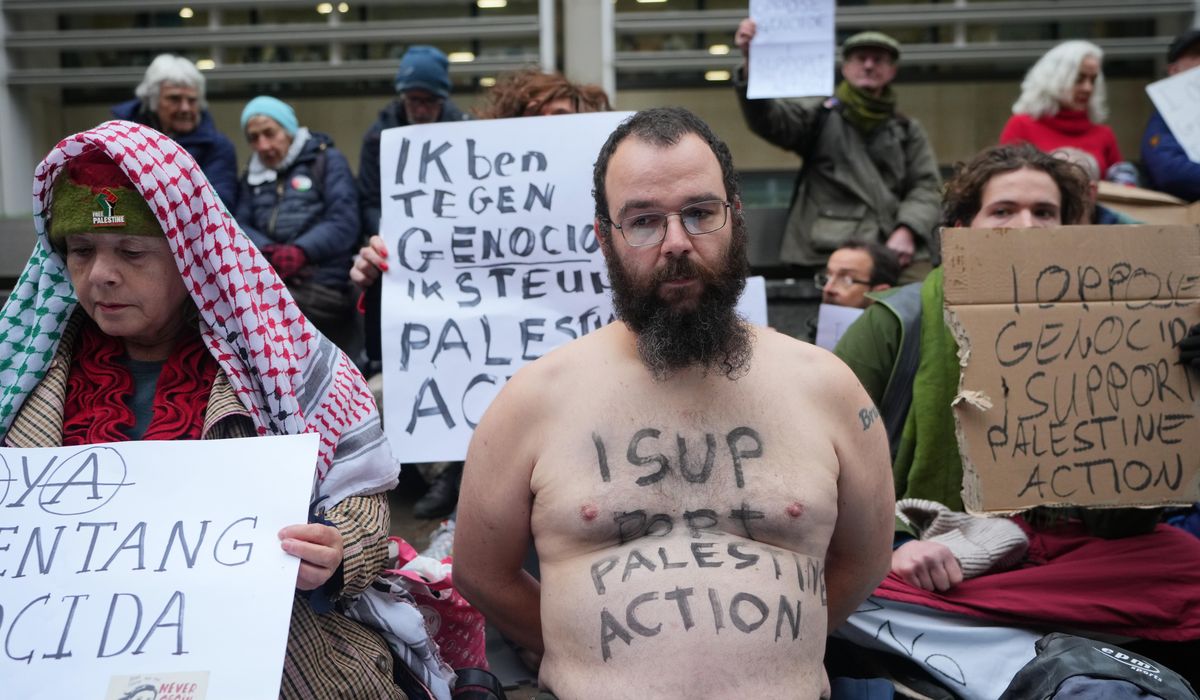
Lawyers for a pro-Palestinian protest group that the British government has outlawed went to court Wednesday to challenge its designation as a terrorist organization.
The case landed in court as lawyers moved to overturn a formal classification placed by the government. The group in question is identified as pro-Palestinian and is now legally banned. This legal fight will test how far the state can go in labeling domestic organizations.
From a Republican viewpoint this raises two immediate points: support strong measures to protect public safety, and insistence on clear legal standards. Outlawing an organization is a serious step that affects freedoms and security alike. Citizens and officials both deserve clarity on where the line is drawn.
The government’s move to outlaw the group puts practical limits on its public activities and funding, and that reality is under scrutiny. Lawyers argue the designation should be overturned and are asking judges to review the basis for the ban. The court will have to weigh evidence against the legal definition the state applied.
Court challenges are part of the system working as intended: decisions can and should be reviewed in an open forum. Republicans generally back strong enforcement when national security is at stake, but also demand that enforcement follows due process. The judiciary’s role is to ensure the law was applied correctly and rights were respected.
For many on the right, there is discomfort with street-level extremism, and a preference for decisive action to prevent violence and disorder. At the same time, we insist that the state not stretch its powers beyond what law allows. That balance matters: protecting citizens while guarding liberties is not optional in a free society.
This case will also test political boundaries. Protests and political expression often overlap, and courts must separate legitimate dissent from unlawful or dangerous conduct. Republicans believe public safety should be protected without turning normal political activity into criminality by broad or vague rules.
The legal fight could set precedent for future demonstrations and advocacy groups that touch on foreign policy issues. When governments move to ban organizations, the message reaches beyond the courtroom and into civic life. That is why the facts the lawyers bring and the legal standards judges apply will be scrutinized closely.
There is also a practical question about enforcement and resources. Once an organization is outlawed, police and prosecutors must decide how aggressively to act and what priorities to set. Republicans favor focused law enforcement that targets genuine threats rather than chilling lawful speech or assembly.
The optics matter as well. Public confidence hinges on the perception that decisions are fair, well grounded, and transparent. If people see political bias or inconsistency, trust in institutions erodes quickly. That concern fuels the demand for a rigorous, public judicial review of the government’s decision.
Legal counsel for the group will press the court for remedies, hoping to overturn the classification and restore legal standing. The government will defend its designation as necessary for security or public order. The outcome will tell us much about where Britain draws the line between activism and outlaw status.
No matter the result, the case is a reminder that democratic societies must continually negotiate tensions between security and liberty. Republicans call for firm action against real threats while insisting on strict adherence to legal protections. The court’s decision will shape how similar disputes are handled in the future and will influence public debate on protest, national security, and the rule of law.

