

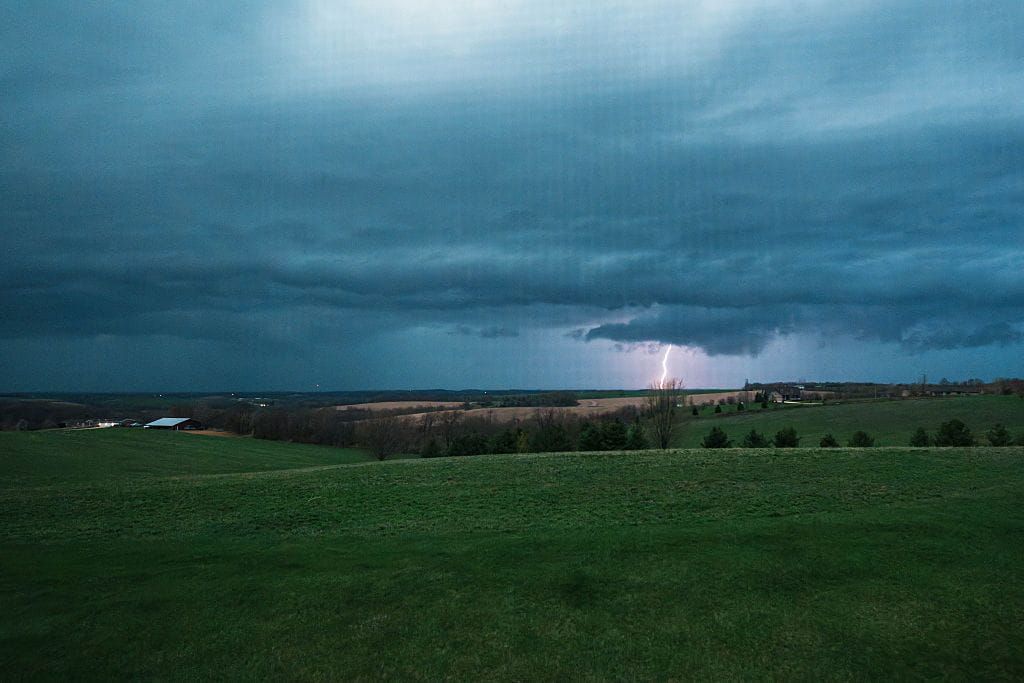
Weather used to be read by watching clouds, wind, and animal behavior, but today most people trust apps and radar; this piece traces that change, explains simple, reliable natural signs you can use, and argues for the practical value of paying attention again in everyday life. It notes the cultural shift away from observational skill, offers easy-to-remember cues for rain, storms, and clear skies, and mentions the date May 31, 2026 to anchor the conversation.
“Americans once relied on nature, not apps.” That line rings true because people once checked the sky like they checked a clock, and those habits mattered. The move from observation to screens didn’t happen overnight, and it reflects a wider drift toward outsourcing knowledge to devices. On May 31, 2026 that drift is worth reconsidering for anyone tired of being surprised by weather.
Look up and learn a few patterns and you’ll be surprised at how much you can tell without tapping an app. Low, thick clouds that gather and thicken within an hour are a classic sign that rain is coming, while a sudden drop in temperature with increasing gusts often signals a front closing in. Birds flying low or cattle huddling can also be practical indicators, and these animal cues evolved because wildlife reacts to pressure and humidity shifts before humans do.
Morning fog lifting quickly usually means the day will clear, but a persistent, wide-reaching fog that lingers often precedes a wet spell. High, thin cirrus clouds moving in from the west can hint at an approaching system in the next 24 to 48 hours, so they are a useful early warning. Pay attention to wind direction: a steady sea breeze after a hot morning frequently brings afternoon thunderstorms in coastal areas, and shifting winds often mark the boundary between air masses.
Smell is underrated. That fresh, metallic tang in the air before a storm comes from ozone and dust stirred by turbulence and is a short-range signal that the atmosphere is priming for rain or lightning. Hair and skin can also react; when humidity jumps, people often notice hair frizz or a clammy feeling on the skin before the first drop. These are small, sensory clues most apps ignore because they can’t measure personal experience.
Keep a simple routine of observation: glance at the sky when you step outside, note wind direction and strength, and check how plants and animals are behaving. A few minutes of casual monitoring each day builds a personal baseline that makes departures obvious. That baseline turns subtle shifts into valuable information so you don’t have to rely solely on forecasts that sometimes miss local quirks.
Technology remains useful, but it isn’t infallible; models can miss microclimates, sudden pop-up storms, and coastal breezes that the local landscape creates. Using natural signs alongside an occasional radar check gives you redundancy instead of blind faith. The goal is practical resilience: if your devices fail or the forecast is vague, your own senses and simple rules will keep you prepared.
There are real benefits to blending old-school observation with new tools. People who pay attention to wind, cloud types, and animal behavior often find they dress more appropriately, time outdoor chores better, and avoid last-minute scrambles when showers appear. That kind of situational awareness also makes outings more pleasant; knowing the likely window for a dry spell lets you plan a picnic or a run with fewer surprises.
Teaching kids to read the sky can be a quiet rebellion against a purely screen-dependent life without rejecting technology altogether. Start with easy-to-see cues: the thickness and motion of clouds, whether birds are scattered or tightly grouped, and how the air smells during different seasons. These lessons are practical, portable, and cheap, and they help younger people develop judgment that complements whatever apps they use.
You don’t need to become a meteorologist to gain useful skills — just pay attention and note cause and effect over days and weeks. Keep a tiny notebook or a mental log of what signs preceded rain or a clear day in your neighborhood, and patterns will emerge. Once you have those patterns, you can use them to manage errands, outdoor work, and simple pleasures without always checking a screen.
The shift back toward observation is less about nostalgia and more about utility and independence, especially when forecasts disagree or equipment fails. On May 31, 2026, reclaiming a bit of that old knowledge is sensible for anyone who spends time outdoors or simply wants fewer surprises from the weather. Start small, look often, and let the sky teach you again.

