

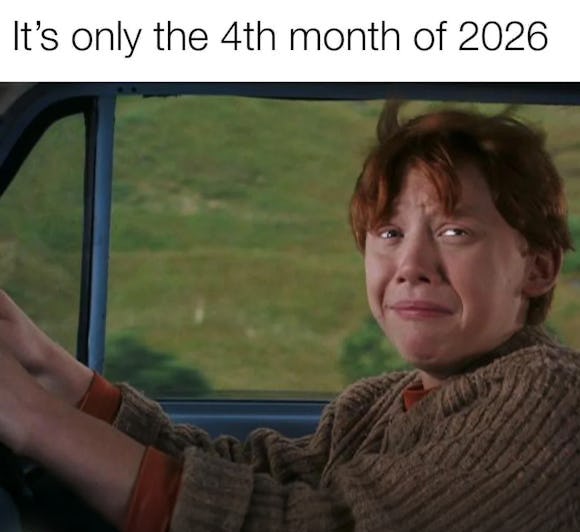
This piece examines the life cycle of internet memes, how they spread, and what they reveal about online culture. It looks at the roles of creators, platforms, and audiences in shaping a meme’s reach without taking a stance on any specific political issue. The phrase “Another Day … Another Meme.” appears as a recurring beat in the conversation around how fleeting and persistent these images and captions can be.
Memes move at the speed of attention, jumping from niche forums to mainstream feeds in hours. They borrow imagery, jokes, and formats to create something instantly recognizable, and that familiarity fuels sharing. The result is a shorthand language people use to react, critique, and entertain.
Creators often remix existing material, leaning on cultural knowledge that most viewers already have. That makes memes efficient: a single image can carry layers of meaning without long explanations. But it also raises questions about ownership when viral success follows casual reuse.
Platforms act as both amplifier and gatekeeper, with algorithms deciding who sees what and when. Small tweaks to ranking systems can lift a meme out of obscurity or bury it entirely. Moderation policies and community standards add another layer of control, sometimes curbing harmful content and sometimes curbing humor.
Memes can serve as social signaling, showing group membership, political leanings, or personal taste in a compact package. A shared meme often means shared context, which helps communities bond quickly online. That same compression makes it easier to stereotype or caricature others when nuance disappears.
Economics creep in as influencers and brands repurpose memes for attention and profit. Sponsored content and trend-hopping blur the line between organic sharing and calculated marketing. When popularity translates into revenue, creative choices shift toward what performs rather than what’s original.
Powerful memes can move beyond humor to shape narratives in subtle ways, framing debates or humanizing complex issues. People pick up a meme because it simplifies a point they want to make, and repetition turns that simplified image into a kind of shorthand truth. That utility makes memes valuable to activists, advertisers, and everyday users alike.
Not all memes are meant to be timeless; many exist only as a burst of relevance tied to a moment. Others evolve, gaining new layers as they circulate through different subcultures and contexts. Tracking how a meme morphs over time reveals a lot about the communities that embrace it.
Reading a meme well means knowing the context, the original format, and how audiences have reshaped it. Without that background, a meme can be misread or weaponized unintentionally. Critical consumption is the best defense against being misled by an image that masks a more complicated story.
Meme culture reflects the broader dynamics of attention, creativity, and control on the internet. It rewards quick wit and recognizable patterns while exposing tensions about originality, moderation, and monetization. As the phrase goes, “Another Day … Another Meme.”—and each one tells us something about where attention goes next.

