

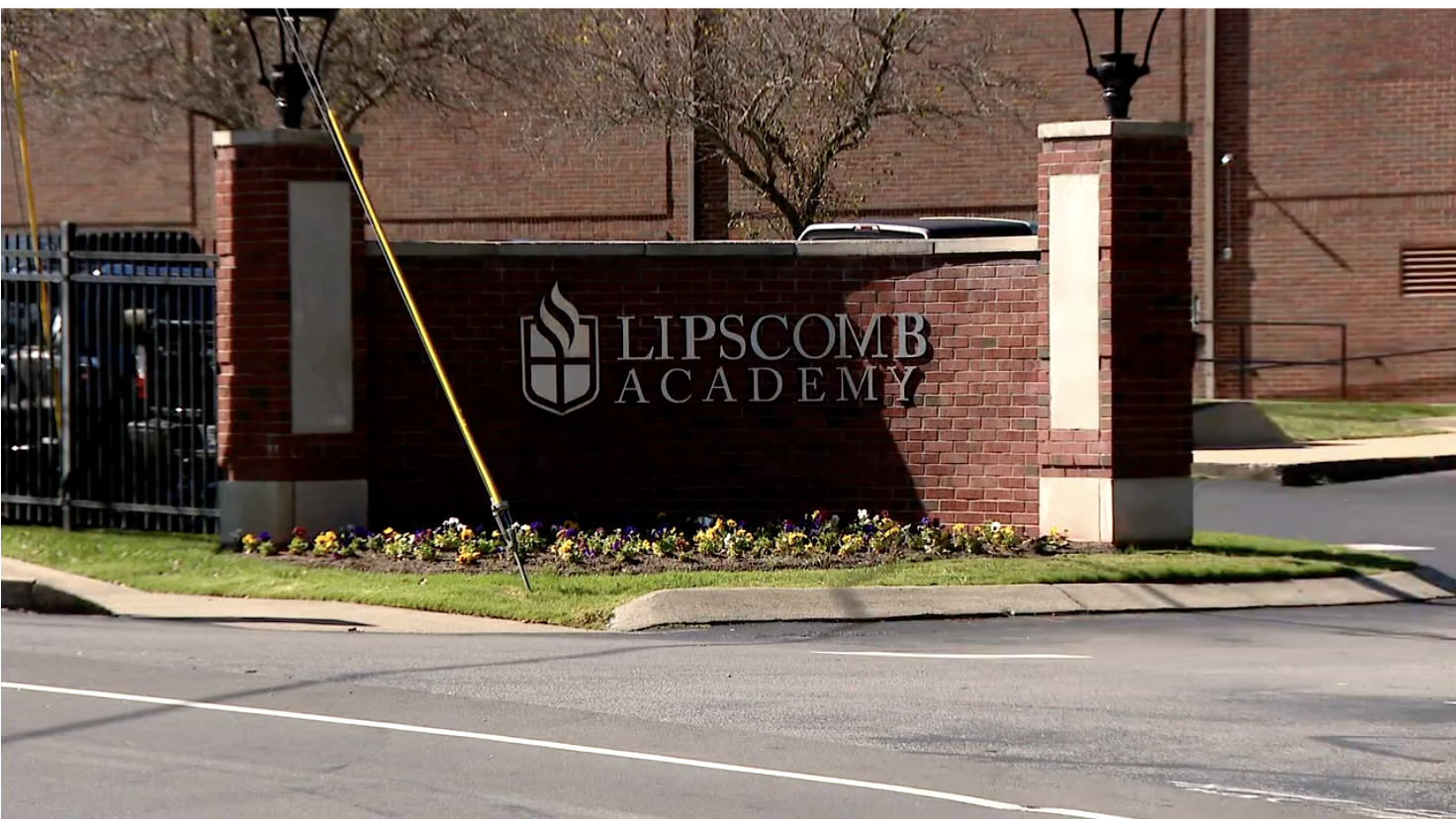
Lipscomb Academy officials vehemently deny claims that the private school’s leadership has injected DEI into the Church of Christ school. School representatives insist the institution’s mission and religious identity remain central while community members continue to discuss what those terms mean for a faith-based campus. The situation has stirred local attention without clear evidence offered to prove the allegation.
When people talk about DEI they mean diversity, equity and inclusion, a set of concepts that can cover hiring practices, student programming and campus culture. Those ideas are debated widely across education, and they often look different in a private or religious setting than in public institutions. That difference is part of why any allegation about introducing DEI into a Church of Christ-affiliated school draws strong reactions.
Because Lipscomb Academy identifies with the Church of Christ tradition, questions about curriculum or campus priorities tend to prompt conversations about theology and mission. The administration’s denial signals that leadership views the school’s core identity as unchanged and central to decision making. At the same time, members of the school community want clarity about how philosophy and policies are applied day to day.
Private schools generally control their own hiring, programming and student life, and that autonomy shapes how they respond to outside concerns. Independent religious institutions often balance doctrinal commitments with broader college-preparatory goals and extracurricular offerings. That balancing act can create friction when neighbors, current families or alumni interpret new language or initiatives through different lenses.
In these moments, transparency matters because it helps separate rumor from policy and intention. Clear communication about curriculum, hiring standards and student services gives families a concrete basis for judgment rather than leaving impressions to fill the gaps. Administrators who are proactive about explaining how decisions align with stated values reduce speculation and soothe anxious stakeholders.
At the same time, community members who raise questions play a role in keeping schools accountable to their founding principles. Constructive dialogue among parents, faculty and trustees can lead to better alignment between institutional values and daily practice. That process benefits from facts, documented policies and direct engagement rather than relying on hearsay.
As the conversation continues, observers will likely watch for formal statements, board minutes or policy materials that clarify the school’s stance and practices. Issues around identity and education often surface repeatedly, and how a school responds shapes trust over time. For now, officials’ forceful denial is the central fact, and the surrounding discussion will determine whether any further documentation or review emerges.

