

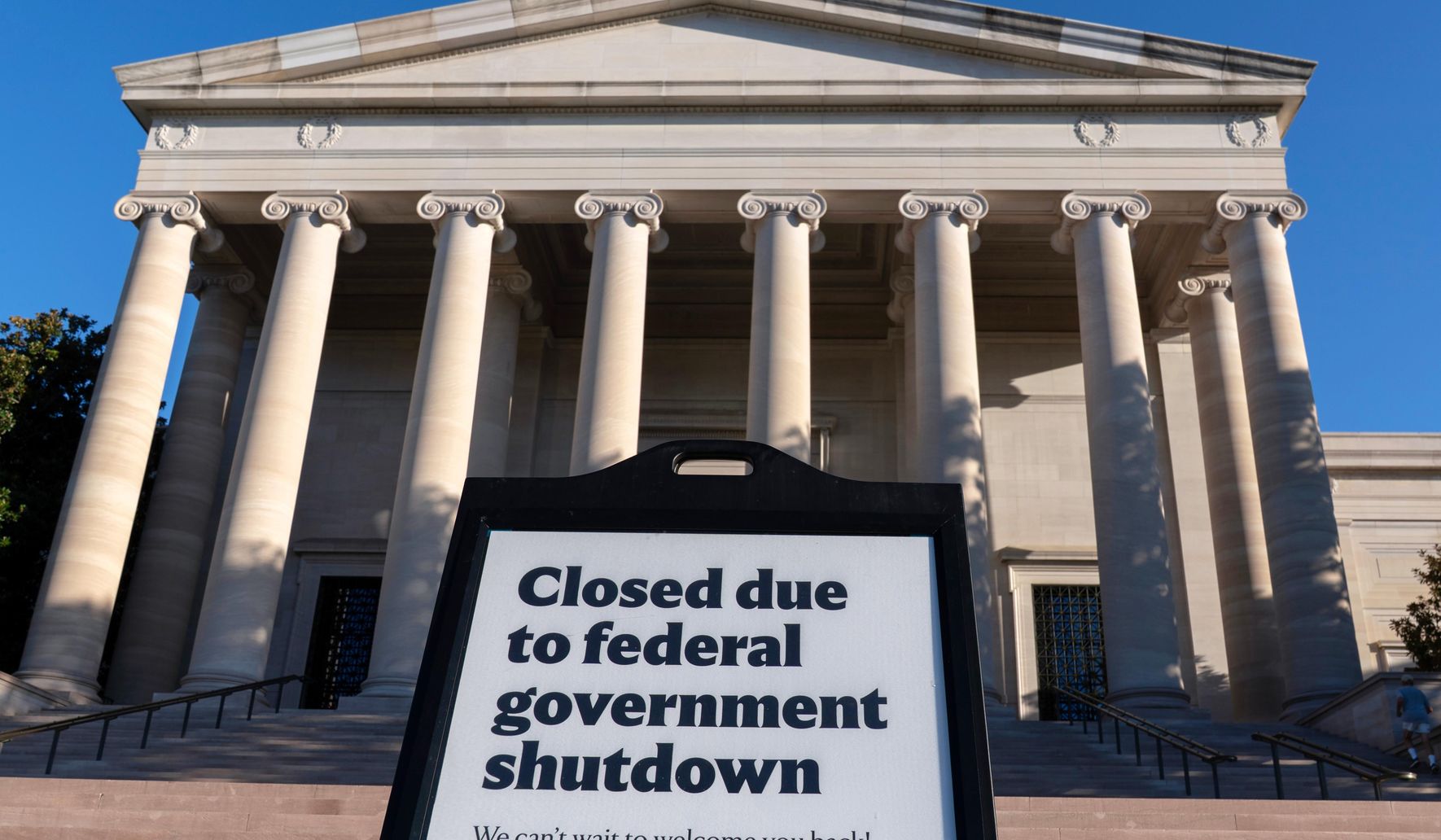
The longest government shutdown in U.S. history is over on paper, but getting federal operations back to normal will be messy and slow, with real impacts on workers, services, and taxpayer trust.
The shutdown may have ended formally, but restoring day-to-day operations across agencies is not instant. Agencies shut down for weeks or months face staffing gaps, frozen contracts, and systems that need time to restart. That lag means people and businesses still feel the fallout even after the headlines move on.
Federal employees who went without pay or were furloughed are returning to a backlog of work that can take months to clear. Contractors and vendors who paused services face billing and payment disputes that complicate restart timelines. Processing delays for permits, licenses, and benefits will ripple through communities and local economies.
On the operations side, some critical functions kept running but were strained; others stopped entirely and require training and paperwork before resuming smoothly. Security screenings, inspections, and regulatory work often depend on staff and coordination across agencies, so a few missing people can create outsized bottlenecks. Restoring those functions has to be orderly to avoid creating new errors or safety gaps.
From a Republican perspective, the shutdown highlighted the need for better spending discipline and clearer priorities, not endless last-minute funding fights. Lawmakers should insist on transparency about where the slowdowns are and who is accountable for delays. Taxpayers deserve a reset that avoids repeating the same fiscal chaos while protecting essential services.
Workers and families affected by the shutdown will need clear timelines for back pay and benefits, and agencies must communicate realistic expectations. That means published schedules for processing backlogged claims and updates on when routine services will resume. Public trust hinges on honest, concrete steps rather than vague assurances.
There are also longer-term consequences: recruitment and retention suffer when federal jobs feel unstable, and suppliers may raise prices or refuse work if the payment environment looks risky. Rebuilding capacity will require managers to prioritize critical missions, avoid knee-jerk hiring that wastes money, and document lessons learned for future budgeting fights. The goal should be a resilient structure that can handle disputes without stopping essential government functions.
Finally, oversight and accountability matter as agencies reboot. Congressional committees and watchdogs should track turnaround times and use data to pinpoint failures, not just political talking points. The public wants government that works reliably and is fiscally responsible, and restoring operations after the shutdown is the first test of whether leaders are serious about that promise.

